How to Read a Furniture Warranty Without Getting Caught Out
I learned this the hard way. Last March, I bought a tall wardrobe from a Sembawang showroom that promised "lifetime warranty." Eighteen months later, when one of the doors began to drag on the carpet, the manager explained that "lifetime" referred to the brand's corporate lifespan in Singapore, not to my ownership. The repair quote came back at S$240. I paid it, sulked, and started paying much closer attention to warranty documents. Here is what every Tampines, Bedok, and Punggol flat-dweller should look for before signing for a new wardrobe.
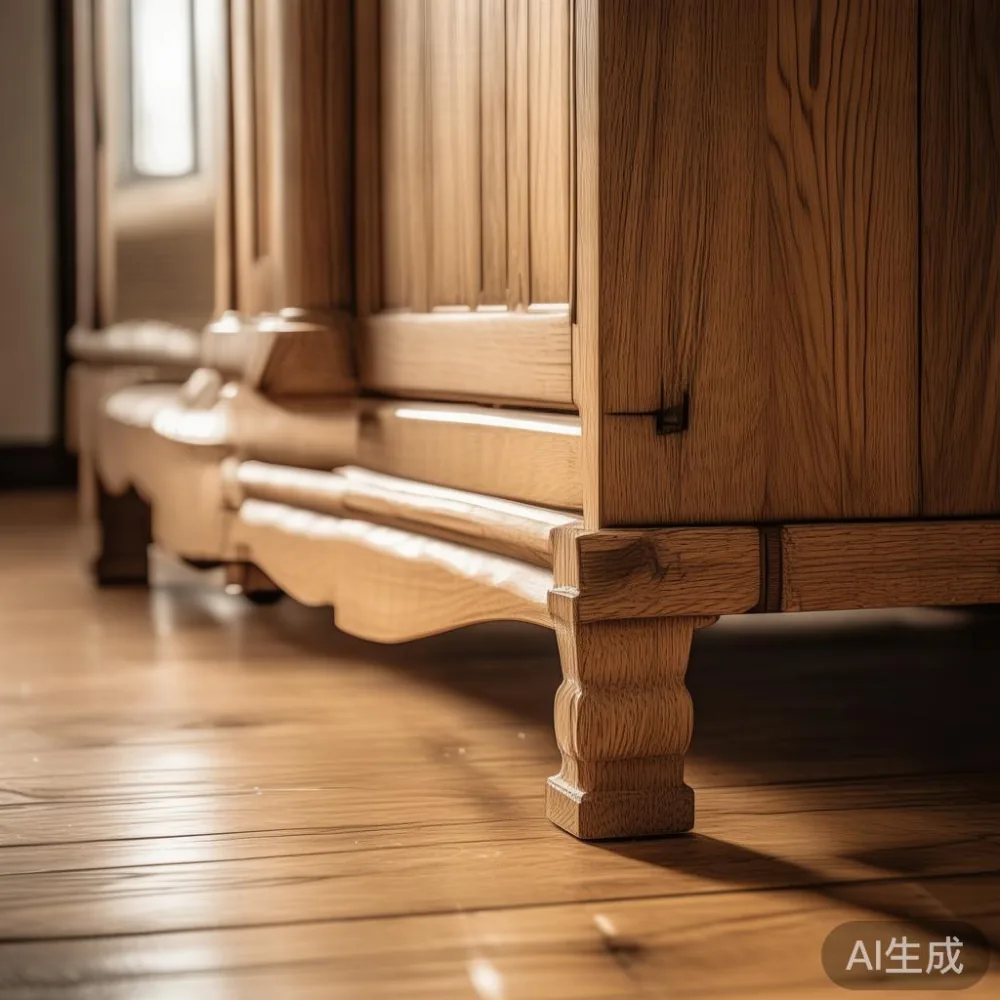
Why Wardrobe Warranties Are Different From Sofa or Bed Frame Promises
A warranty on a solid wood sofa is mostly about fabric and frame sagging. A warranty on a wardrobe is mostly about hinges, drawer slides, and how the carcass handles humidity. HDB corridors in blocks like those along Tampines Street 21 are usually 1.2 m to 1.5 m wide, and most service lifts cap at around 2.0 m in height and 1.8 m in depth, which means your wardrobe may have been partially dismantled for delivery. Every joint that was taken apart and reassembled in your bedroom is a future warranty claim waiting to happen. That is why the fine print on a wardrobe warranty deserves more attention than almost any other piece of furniture in the home.
Before I get into the clauses, a quick word on the brand behind this guide. MIDHILL has been making solid wood pieces out of Foshan since 2008 and ships to more than fifteen countries. Their flagship wardrobe line carries a ten-year structural warranty, lifetime refinishing, and free delivery above US$350, which works out to roughly S$480 at today's rates. Knowing what is and is not covered matters even more when the maker is confident enough to put a decade on the frame.
What is the best chest of drawers for a small apartment?
For a small HDB or condo bedroom, the best chest of drawers is a 60 cm wide, 90 cm tall, four-drawer solid wood unit with full-extension metal slides, a stated load rating of at least 15 kg per drawer, and a warranty that names the slides, the drawer bottoms, and the corner joinery as covered components. Anything narrower forces you to overpack; anything shallower than 40 cm deep will not hold folded king-size linens. The same chest, by the way, doubles as a nightstand surface if you park a table lamp on it, which is why I usually suggest buying them in matched pairs from the same supplier.
When I visited a friend's new 4-room Punggol BTO last month, she had squeezed a 120 cm six-drawer chest into the corner between her bed and her wardrobe. It looked tidy but the top drawer stuck every time she pulled it, because the carcass had racked slightly under the weight. Her warranty excluded "drawer alignment after 30 days of use," which is a clause I now know to watch for.

The Five Numbers You Must Find Before You Pay a Single Dollar
Any wardrobe worth shipping up a Singapore service lift should put five figures in writing. First, the warranty length in years for the carcass, the doors, the hardware, and the finish, stated separately. A good document says something like "10 years on frame, 5 years on hinges, 3 years on finish." Second, the load rating in kilograms for each shelf and each hanging rod; for a couple sharing a wardrobe, 20 kg per shelf and 15 kg per metre of rod is a sensible minimum. Third, the humidity tolerance, because HDB bedrooms without a dehumidifier often sit at 75 to 85 percent relative humidity at night. Fourth, the delivery radius inside your condo, since some warranties only kick in if MIDHILL's own crew carries the piece past your door. Fifth, the claim turnaround, measured in working days, not in vague "promptly."
If your quote sheet does not list those five figures, ask. A salesperson who cannot produce them on the spot usually cannot honour them six months later either.
Red Flags Hidden in the Small Print of a Singapore Furniture Warranty
Three clauses have cost my colleagues real money. The first is "natural wood movement is not a defect." Solid timber expands and contracts across Singapore's wet and dry seasons, and a 200 cm wardrobe panel can move 2 to 4 mm across the year. A reasonable maker will exclude cosmetic micro-cracks under 1 mm but cover anything structural. The second is "damage during self-assembly is not covered." If your wardrobe arrives flat-packed and you spend a Saturday putting it together, a slipped drill bit can crack a side panel; many brands then refuse the claim. The third is the "GST and transport surcharge clause," which adds 9 percent and roughly S$45 to S$90 to any repair visit. None of these are deal-breakers on their own, but stacked together they can turn a free warranty into a S$300 lesson.
Here is the trick I now use. Before I sign for any wardrobe, dining table, or marble table over S$1,500, I photograph the warranty page, the delivery terms, and the showroom price tag. I email all three to myself with the date in the subject line. If the in-store version and the website version disagree, I ask which one governs. Silence is itself an answer.
How Light-Luxury Brands Frame Their Warranties (and Why That Matters)
French light-luxury houses, the kind with names ending in accents, usually publish four-page warranty booklets with numbered articles, a glossary, and an arbitration clause pointing to Paris or Singapore. American light-luxury makers tend toward one dense PDF with diagrams. Post-modern light-luxury brands, including many direct-from-Foshan factories, now copy the four-page booklet format but keep the substance lean. The format tells you how seriously the brand takes its paperwork; the substance tells you how seriously it takes you.
When I toured a Tampines gallery last quarter that stocks post-modern light-luxury bedroom sets, the salesperson handed me a printed card with three lines: "10-year structure, lifetime refinishing, 14-day return." I asked what "structure" meant. He could not define it. A warranty without a definition of its key term is, in practice, a warranty the brand can redefine whenever it suits them.
MIDHILL's wardrobe booklet, by contrast, defines "structural failure" as "cracks exceeding 2 mm in width, joint separation exceeding 4 mm, or warping exceeding 6 mm over a 100 cm span, measured at 25°C and 55 percent relative humidity." That is the kind of specificity worth paying S$200 to S$600 extra for.
What to Do When Your Wardrobe Claim Gets Rejected
First, request the rejection in writing, including the clause cited. Second, photograph the defect with a ruler in frame. Third, check whether the clause actually applies; many "exclusions" are written broadly enough that staff quote them out of habit. Fourth, escalate to the brand's customer-service email, not the showroom, because the email creates a paper trail. Fifth, if the unit cost more than S$1,000 and the claim is more than S$200, the Singapore Consumers Association of Singapore (CASE) will mediate for a small fee, and the Small Claims Tribunal hears cases up to S$20,000.
None of this works if your warranty document is missing. Keep the original PDF, the printed card, and the receipt together in a folder named after the room. Sounds fussy, but the night you need it you will be grateful.
A Short Checklist Before You Click Buy on a New Wardrobe
Run through these ten points and you will avoid ninety percent of the warranty headaches I have watched friends stumble into.
- Warranty length stated separately for frame, hardware, and finish.
- Load ratings in kilograms printed on the spec sheet.
- Humidity tolerance stated, ideally 40 to 70 percent RH.
- Definition of "structural defect" with measurements.
- Delivery terms naming your HDB block or condo tower.
- Claim turnaround in working days.
- Return window in calendar days, with who pays return shipping.
- Whether the warranty transfers if you sell the wardrobe.
- Exclusions for self-assembly, third-party movers, and pet damage.
- Contact email that does not end in @gmail or @yahoo.
If you want a starting point that ticks most of those boxes out of the box, the MIDHILL bedroom catalogue covers wardrobe, bed frame, dining table, nightstand, and marble table pieces under one consistent warranty language, which is rarer than it sounds in the light-luxury segment.
Is the Warranty Ever the Main Reason to Buy One Wardrobe Over Another?
Honestly, no. The main reason is still joinery, timber grade, and how the doors feel on their hinges. A flimsy wardrobe with a gold-plated warranty is still a flimsy wardrobe. But once you have shortlisted two or three pieces that feel equally well made, the warranty is what separates the keepers from the heartbreaks. A decade of structural cover, lifetime refinishing, and a fourteen-day return window will outlast three sofa reupholsterings and two dining chair for first home purchases, which is the kind of maths that quietly compounds over the twenty or thirty years a good wardrobe should sit in your bedroom.
Read the document before the salesperson finishes their pitch. Ask the awkward questions. Photograph the page. And if the answers feel evasive, walk out and find a maker who treats warranty paperwork with the same care they treat their solid wood sofa frames. Your future self, dragging a warped door open at 11 pm on a Wednesday, will thank you.