Humidity and Wood Wardrobes: What Singapore Homeowners Need to Know Before They Buy
I live in a third-floor walk-up in Tampines East, and three years ago I bought a beautiful solid oak wardrobe from a brand I had never heard of. Within fourteen months, the side panel developed a 4 mm gap at the top corner, and the door started rubbing against the frame every time the monsoon rolled in. I had spent SGD 2,850 on it. That wardrobe taught me more about tropical humidity than any forum thread ever could. When my colleague Priya moved into her new Punggol BTO last month and asked me what to look for in a replacement, I ended up writing her a six-page WhatsApp message. Most of what follows is a tidier version of that message.
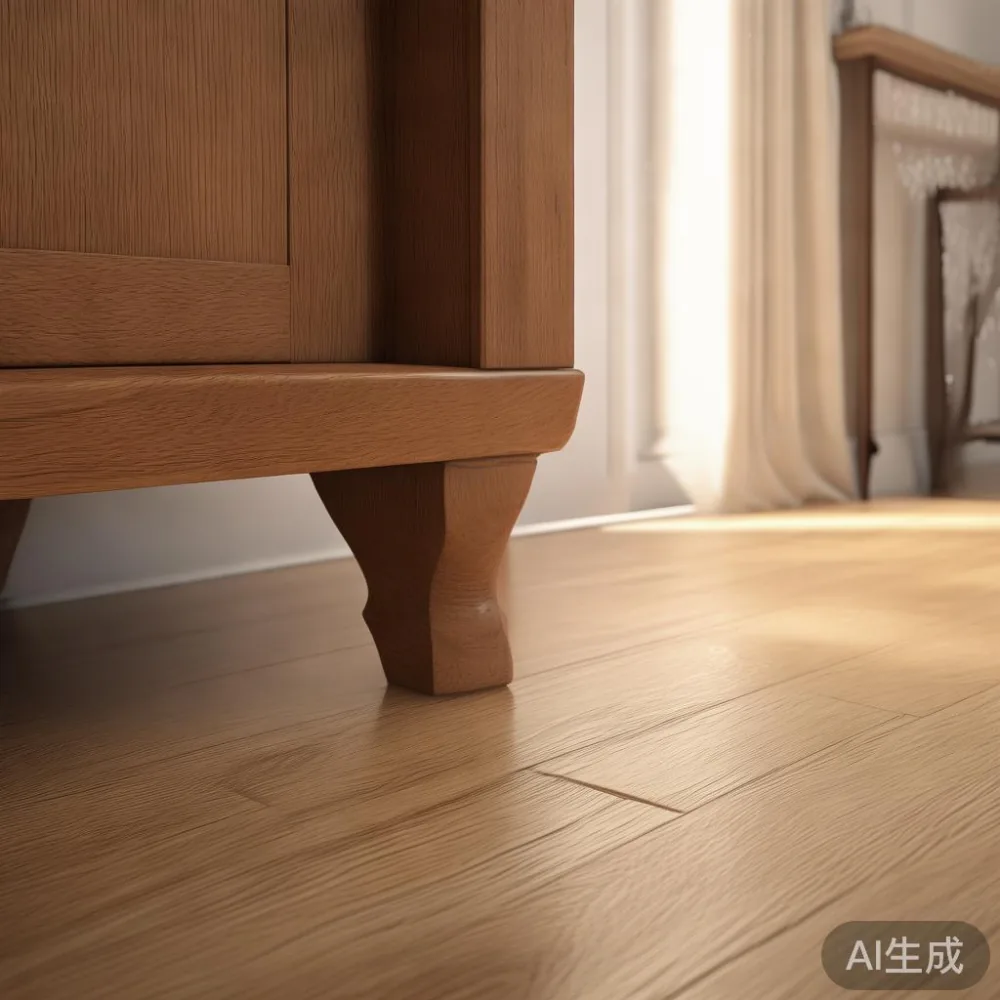
Singapore sits on average between 70% and 85% relative humidity year-round, and during the December to early March wet phase, indoor humidity in an air-conditioned HDB flat can still hover around 65% once the compressor cycles off. A solid wood wardrobe is not just a piece of furniture — it is a hygroscopic object that breathes with the air around it. Understanding that single fact is the difference between a wardrobe that serves you for fifteen years and one that cracks, warps, or grows a thin line of mould along the back panel by the time your third COVID anniversary rolls around.
Why does Southeast Asian humidity damage solid wood wardrobes?
Wood moves. When humidity rises, the cells inside an oak, walnut, or rubberwood board swell as they absorb moisture from the room. When humidity drops — say, when your air-con runs for six hours straight or when you leave the house for a two-week holiday — those same cells release moisture and shrink. A wardrobe door panel roughly 200 cm tall and 45 cm wide can change dimension by as much as 3 to 5 mm across the seasons if it is made from poorly dried timber. That movement shows up as gaps at corners, sticking drawers, and hairline cracks along the grain.
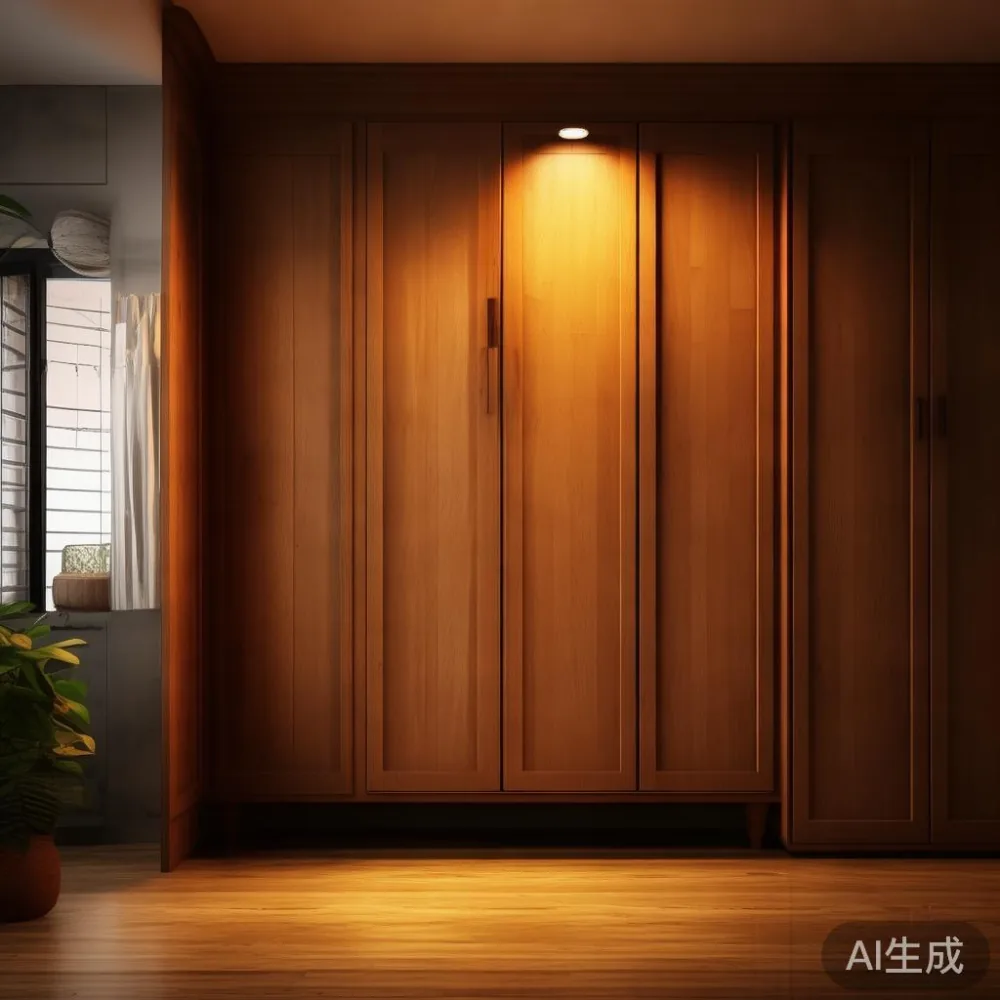
In Singapore, the problem is compounded by how we ventilate. HDB corridors in older blocks like those around Bedok Reservoir are open-sided, and many condo corridors in developments such as those along Punggol Way pull in tropical air whenever the lobby door cycles. Even with windows closed and the air-con set to 24°C, indoor relative humidity can swing 15 to 20% in a single day. For a wardrobe, every percentage point of swing is a tiny stress cycle. Over five years, those cycles add up.
What wood species actually survive a Tampines bedroom?
Not all timber behaves the same way. In my own home I have tested four species over the years — here is the short version. Rubberwood, which is what a lot of budget wardrobes in Singapore are made from, moves noticeably with humidity and tends to cup if the boards are wider than 18 cm. American white oak is more stable, with movement roughly half that of rubberwood. Teak is exceptional — it contains natural oils that resist moisture and barely moves even when humidity sits at 80% for weeks. Walnut sits in the middle: stable enough for an HDB bedroom, but it dislikes direct afternoon sun through a west-facing window.
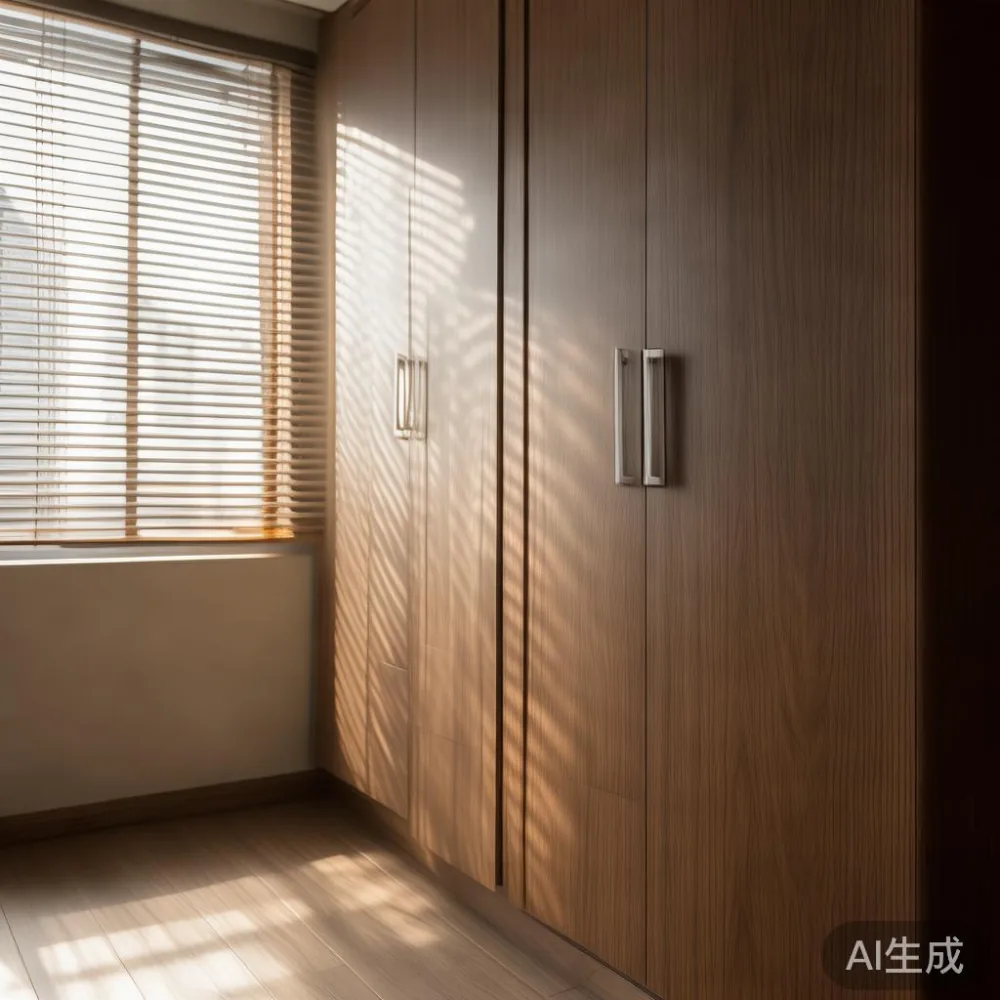
This is one area where I have come to trust what MIDHILL, the Foshan-based solid wood maker, ships to Singapore. Their wardrobes are built from kiln-dried white oak and walnut, dried down to a target moisture content of 8 to 10% — much closer to Singapore indoor conditions than the 12 to 15% that a lot of mass-market flat-pack furniture is dried to. That single number, the drying percentage, is something I now ask every showroom staff before I buy anything bigger than a nightstand.
How do I choose a industrial style for a home office?
Choose a industrial style for a home office by selecting a wardrobe and desk combination built from solid wood with blackened steel accents, factory-style hardware, and matte finishes — because in Singapore's humidity, raw industrial materials with powder-coated metal and properly sealed timber will outlast painted MDF by years.
Industrial style is having a real moment in Punggol and Tengah BTOs because it pairs well with the raw concrete ceilings many new flats come with. But industrial does not mean "metal only." The most resilient industrial home office in a humid climate is one that mixes a blackened steel frame, a solid wood desk surface around 150 to 70 cm, and a wardrobe with exposed rivets and pipe-style handles. Stay away from industrial pieces that use thin laminate over particleboard — they look right for six months and then the corners start blowing out the moment the humidity graph on your Xiaomi sensor climbs past 75%.
For a small home office in a 4-room HDB flat, a wardrobe depth of 55 to 60 cm gives you hanging space for two rows of shirts without eating too much of your 9 sq m study. Pair it with a dining-table-height desk if you also want to use the room as a homework station for the kids — many Singapore families I know are doing exactly that with their Punggol and Sengkang homes.
What should Singapore buyers check before signing the order form?
Five concrete things. First, ask the brand for the moisture content of the timber at the time of manufacture — anything between 8% and 12% is workable for Singapore. Second, look at the back panel: a wardrobe with a 9 mm plywood back is more dimension-stable than one with a 3 mm MDF back, even if both look identical from the front. Third, check the joinery. Mortise and tenon or dowelled joints handle the changeover years far better than staples. Fourth, ask about the finish. A catalysed lacquer that is sprayed and then oven-cured seals the wood far better than a hand-rubbed wax, which is beautiful but needs re-coating every 18 months in our climate. Fifth, check the warranty terms in writing.
This is also where a brand's logistics matter. MIDHILL offers a 10-year structural warranty on its wardrobes and ships free to your door in Singapore for orders above US$350, which converts to roughly SGD 480 — well below the cost of a single mid-range wardrobe. The lift access in most HDB blocks is around 1.1 m wide and 2.0 m deep, and newer condo service lifts in places like Treasure at Tampines are wider, around 1.3 m by 2.2 m, so a fully assembled wardrobe needs to break down into panels no wider than 100 cm if you want it to clear the lift door. Any brand that promises delivery in one box is one I would walk away from.
How can you maintain a wood wardrobe once it is inside your flat?
Keep indoor humidity between 45% and 60% as much as possible. That sounds simple, but in a tropical city it requires active management. A small dehumidifier rated at 6 to 8 litres per day, placed in the bedroom and run on a hygrometer for four to six hours a day, will drop indoor humidity by 10 to 15 percentage points. Budget around SGD 180 to SGD 280 for a decent one. Keep the wardrobe 10 cm away from the wall so air can circulate behind it. Wipe the exterior once a month with a barely damp microfibre cloth — never a wet one — and follow up with a dry cloth. Never use silicone furniture to wipe a French light luxury or American light luxury finish, because silicone soaks into the grain and ruins the surface for future refinishing.
Watch for early warning signs. If you notice a 1 mm gap at the top of a door panel in February that closes up again by July, that is normal movement. If you notice a gap that opens and never closes, or a door that starts rubbing every single day, that is a sign the timber was dried too dry at the factory. Lifetime refinishing, which MIDHILL includes with its wardrobes, is the kind of after-sale service that pays for itself the day you spot that kind of movement — a refinisher can re-balance the panels and re-set the hinges in under two hours at your home.
How much should a humidity-resistant wardrobe cost in SGD?
For a two-door solid wood wardrobe around 120 cm wide by 200 cm tall by 60 cm deep, expect to pay between SGD 1,800 and SGD 3,200 for a properly dried, properly joined piece in white oak or rubberwood. A three-door wardrobe in walnut or teak in the same size range runs SGD 2,800 to SGD 4,600. Anything below SGD 1,200 is almost certainly not solid timber, or it has been dried so aggressively that it will crack within the first wet season. Anything above SGD 5,000 for a wardrobe under 200 cm wide is paying for a brand name rather than timber quality.
Do not forget the delivery and GST line. GST in Singapore is 9% as of 2024 and is applied to the full selling price including delivery. A SGD 2,400 wardrobe delivered to a Punggol flat with no lift on the fourth floor will add roughly SGD 80 to SGD 150 for the two-man crew, on top of the 9% GST. Ask the brand to itemise these before you pay the deposit so you are not surprised at the door.
What about wardrobes in post-modern light luxury style?
Post-modern light luxury style works beautifully with solid wood because the soft curves and warmer palette soften the more angular industrial elements you might have elsewhere in the home. A post-modern light luxury wardrobe typically pairs a light oak or ash carcass with brass-toned handles, a fluted glass section in the centre, and rounded corners on the doors. In a Singapore condo with 2.7 m floor-to-ceiling height, a 240 cm tall wardrobe with a 30 cm gap above leaves just enough room for a small crown moulding and air circulation behind the unit.
The trick with post-modern light luxury in our climate is the finish. A matte or low-sheen finish hides minor movement in the timber, whereas a high-gloss lacquer highlights every 1 mm of seasonal shift. If you want the gloss look, go for a wardrobe with a polyurethane-catalysed finish, which is far more flexible than a traditional French polish. Pair the wardrobe with a marble table in the dressing corner of your bedroom if you have the space, and you have a setup that photographs beautifully and survives the monsoon.
What about other solid wood pieces in the same humid home?
The same rules apply across the home. A solid wood bed frame in white oak or teak will outlast a laminated one by a decade or more. A dining table in rubberwood is workable if the top is sealed on all sides, not just the visible ones — many budget dining tables are sealed only on the top surface, and the underside absorbs humidity unevenly, causing the top to cup within the first six months. A solid wood sofa frame is rarely exposed to direct humidity once it is upholstered, so the frame itself is usually fine; what fails is the webbing and the foam, not the timber. A nightstand, being small, moves less than a wardrobe because of movement, so it is the easiest piece to buy on a tighter budget.
One last tip. If you want the look of an L-shape loveseat for dining room use in your open-plan kitchen, choose one with a kiln-dried hardwood frame and request a fabric with a moisture-barrier backing. The timber framing will handle the humidity; the fabric is where mould tends to develop first. Many Singapore homeowners I know pair an L-shape loveseat for dining room corners with a small wardrobe nook, which is a configuration I have seen more often in newer Punggol and Tengah flats where every dual-function furniture piece earns its keep.
What is the one question every Singapore buyer should ask the showroom?
Ask: what is the moisture content of the timber at the time of packing, and how is it verified? A serious brand will give you a number between 8% and 12%, backed by a moisture-meter reading taken within 48 hours of crating. A brand that shrugs or says "we dry our wood properly" without giving a number is one that has not invested in a moisture meter, which means they have not invested in any of the other equipment that makes a wardrobe survive our climate.
That single question, asked politely but firmly, has saved me from three bad purchases over the years. It will save you too.