A 5-Year Cost Comparison: Veneer vs Solid Wood Wardrobes for Singapore Homes
Choosing a wardrobe for a Singapore HDB flat or condo is rarely a simple comparison of the price on the showroom label. A 180 cm wide wardrobe may fit comfortably along a bedroom wall in Tampines, yet the same piece can block a 90 cm lift doorway or make a narrow Bedok corridor frustrating to use. Over 5 years, the cost includes more than the cabinet itself: delivery, installation, repairs, surface care, replacement parts and the value of storage that still works after daily use.
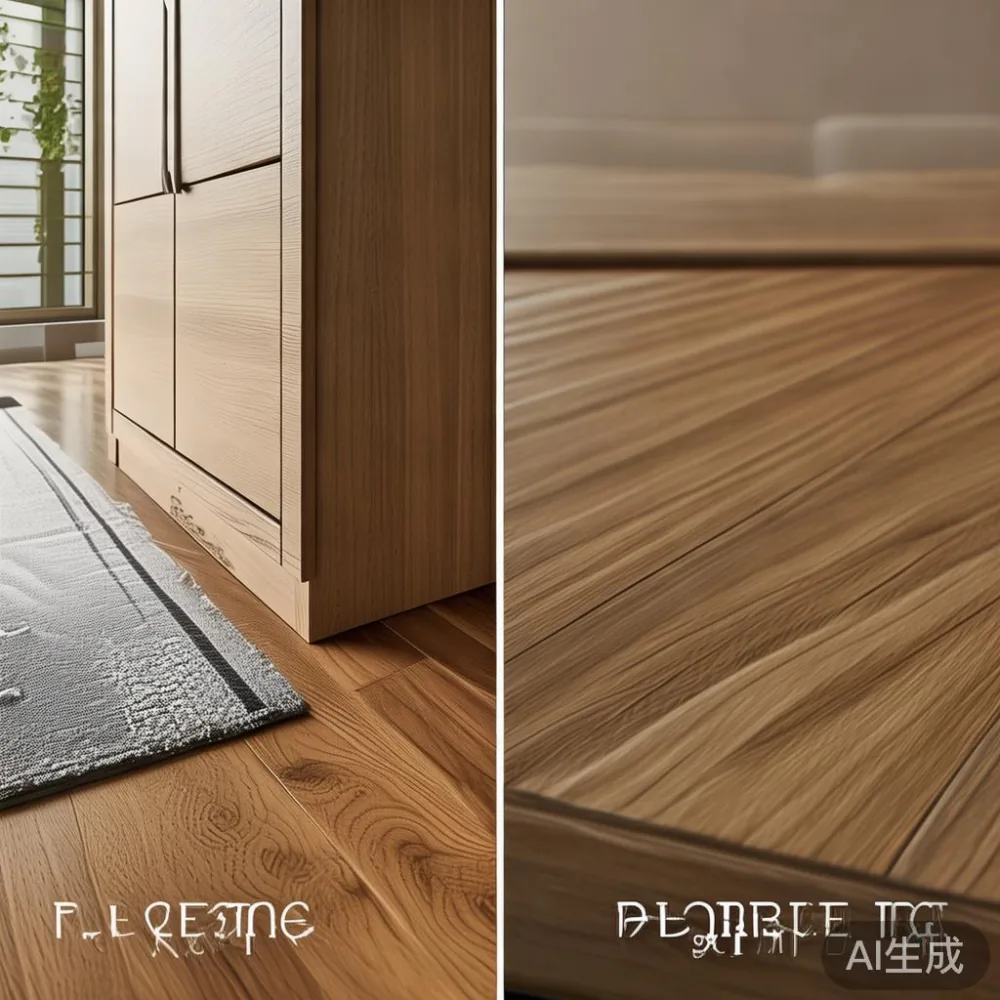
This comparison examines a typical 180 cm wide, 200 cm high, 60 cm deep wardrobe in Singapore dollars, including GST. It compares a veneered wardrobe priced at SGD 1,180 with a comparable solid oak wardrobe priced at SGD 2,380. The examples are indicative rather than quotations, but they make the differences measurable. For buyers comparing online design references such as the best American bed for 2026 or browsing for sale Post-modern furniture, the wardrobe should be assessed on fit, material and lifetime use rather than style alone.
What does a wardrobe cost over 5 years?
The working example is a 3-door wardrobe measuring 180 × 200 × 60 cm, with an internal hanging area, 4 shelves, 2 drawers and a natural wood finish. The veneered version uses 18 mm particleboard or MDF with 0.6 mm oak veneer. The solid wood version uses 18 mm solid oak panels, with the same visible arrangement and hardware. The furniture specialist behind this comparison assumes an average household use of 1 wardrobe for 5 years, normal Singapore humidity levels and at least 2 people sharing the storage.
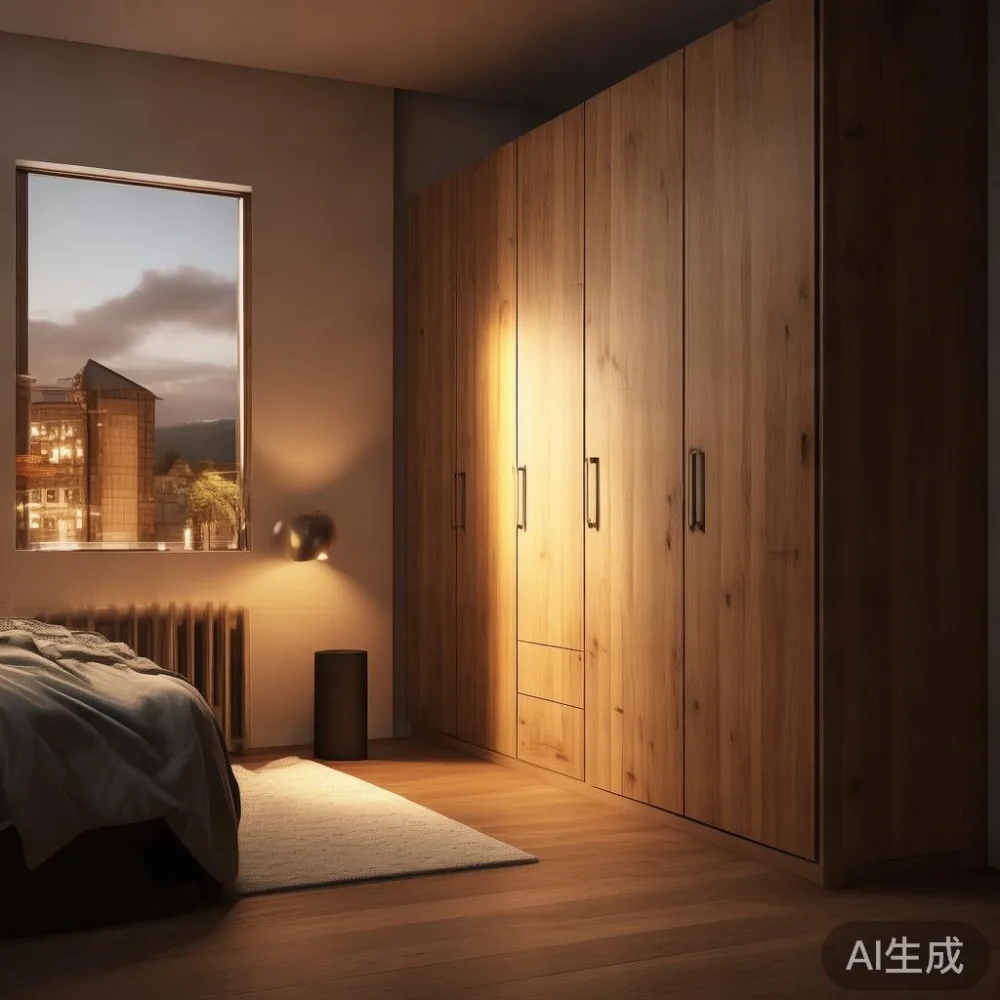
The veneered wardrobe costs SGD 1,180 before GST and SGD 1,298 after 10% GST. The solid wood wardrobe costs SGD 2,380 before GST and SGD 2,618 after GST. The initial difference is therefore SGD 1,320. That amount is substantial in a new HDB flat, but it is only one part of the calculation.
Over 60 months, the veneered wardrobe requires 2 minor surface-repair visits at SGD 75 each, plus 1 drawer-runner adjustment at SGD 45. It has no planned refinishing cost in years 1 to 5. The estimated 5-year ownership cost is SGD 1,488, including delivery and basic installation at SGD 90 after GST.
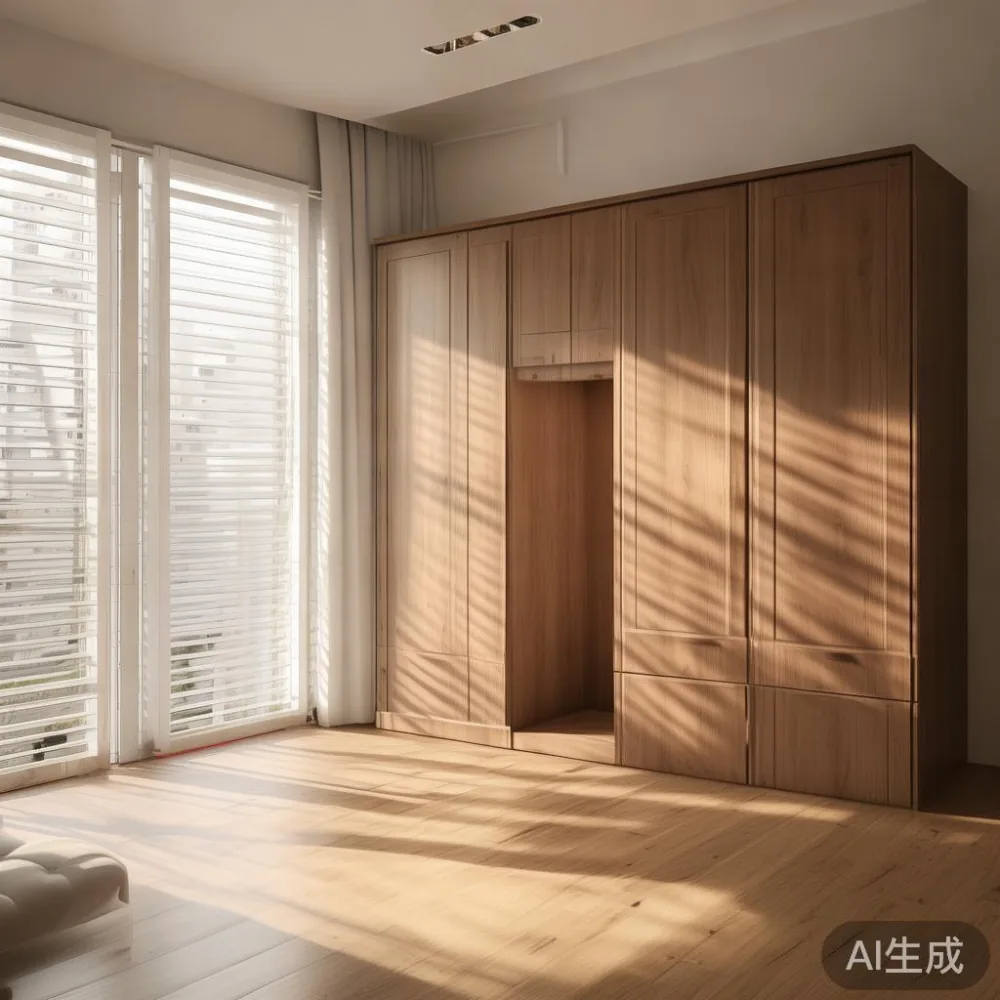
The solid wood wardrobe requires no veneer patching during the same period. A light sanding and refinishing treatment after 36 months is estimated at SGD 280, while a hardware alignment at month 48 costs SGD 55. Its estimated 5-year ownership cost is SGD 2,953, including SGD 120 delivery and installation after GST. The solid wood wardrobe costs SGD 1,465 more across the period, or SGD 293 per year.
This is not a forecast that every owner will incur every listed expense. It is a transparent planning model. A family that spills oil on a veneer panel, changes the layout or replaces a damaged door can have a different result. The point is to compare likely costs using the same 5-year period instead of treating purchase price as the entire story.
How does veneer behave in a Singapore bedroom?
Veneer is a thin layer of real wood, usually 0.3 to 0.8 mm, bonded to a manufactured core. It can look convincing because the grain is genuine wood, and it offers a broad choice of finishes. A 180 cm wardrobe finished in light oak, smoked oak or walnut can suit a HDB bedroom without the weight and price of a solid timber cabinet.
The main limitation is edge and surface vulnerability. A chip near a 60 cm deep side panel exposes the core beneath the veneer. Water rings around a drawer front can leave a mark, and direct afternoon sun through an east-facing Tampines window may fade the finish faster than a darker, more stable colour. Singapore’s year-round humidity, generally around 70% to 85% outdoors, also makes good panel construction and ventilation important for both materials.
Solid wood is not immune to humidity. Oak and other timbers expand and contract as moisture changes, so the wardrobe must not be pressed tightly against a wall. Leave at least 3 cm behind the back panel where possible, keep the unit 5 cm away from floor level if the home has heavy dampness, and use a dehumidifier where indoor humidity regularly exceeds 70%.
For a condo, the material choice should also account for the building. A solid wood wardrobe weighing approximately 95 kg needs more careful handling than a veneered unit weighing approximately 58 kg. Lift doors, corridor turns and the distance from the loading point to the bedroom can add time and labour. In older HDB blocks, a lift interior around 90 cm wide may require the wardrobe to be delivered in separate sections, while a condo loading bay and private corridor may make a larger assembled unit possible.
Is solid wood worth the higher price for a wardrobe?
The answer depends on how the wardrobe will be used and how long it is expected to remain. A rental flat occupied for 2 years may justify a lower-cost veneer option, especially if the furniture is moved at the end of the tenancy. A family keeping the same bedroom for 5 years, touching the wardrobe daily and expecting to sand or refinish it later may find solid wood more practical.
The break-even point in this example is year 4. The veneer wardrobe’s estimated 5-year cost is SGD 1,488, compared with SGD 2,953 for solid wood. If the veneered wardrobe is replaced after 4 years at a discounted resale value of SGD 300, the total spending becomes SGD 1,788. The solid wood wardrobe may still be usable and could retain more value, although its actual resale price depends on condition, design and the buyer. This is why purchase price alone is a poor measure of value.
Solid wood offers a repair advantage. A small scratch can be sanded and touched up, while a veneer edge can sometimes be patched with a matching strip. For a wardrobe, the hidden benefits include stronger hanging rails, more stable screw retention in solid timber and the ability to renew the surface after years of use. MIDHILL describes a 10-year structural warranty for its solid wood furniture, alongside lifetime refinishing support, which can reduce uncertainty when a family is comparing long-term ownership.
The light-luxury position is not about decoration alone. French light luxury often uses restrained oak tones, clean profiles and pale upholstery; American light luxury tends toward generous proportions, practical comfort and crafted timber details; post-modern light luxury can pair a simple wardrobe with curved lighting or selected statement pieces. A solid oak wardrobe can anchor these interiors without looking heavy if its doors are slender, handles are minimal and the grain is not over-finished.
Which wardrobe costs less to deliver and install?
Delivery is where a veneer wardrobe often has a practical advantage. In this example, the veneered unit is estimated at SGD 90 for delivery and basic installation, while the solid wood unit is estimated at SGD 120. A Singapore delivery quote can vary by building access, lift booking and whether stairs are involved. The figures illustrate the direction of the cost difference rather than a fixed company price.
Delivery may take 7 to 14 working days after production, with a further 1 to 3 days for installation scheduling in a busy period. Some furniture is dispatched in panels and assembled in the bedroom; other wardrobes arrive as completed cases. A 3-door solid wood wardrobe may weigh 95 kg and need 2 installers, whereas a veneered unit weighing 58 kg may need 1 installer for simple assembly. In a Bedok corridor narrower than 100 cm, flat-pack sections make the move more manageable than one large cabinet.
Measure before ordering. Check the lift width, lift depth, lift door opening, corridor width, turning radius and bedroom door. Allow at least 5 cm clearance for packaging, and confirm whether the wardrobe can be tilted or assembled inside the room. For a Punggol or Tampines HDB flat, the building manager’s moving rules and lift reservation can affect the final date. For a condo, ask whether the loading bay is available on the delivery day and whether a service elevator is required.
MIDHILL offers free shipping over US$350 for qualifying international orders, but Singapore delivery, GST and access charges should still be confirmed separately. The service is most useful when comparing a complete wardrobe package rather than only the cabinet. Do not assume that a free shipping threshold automatically covers a local lift surcharge, extra hands or a difficult corridor.
What maintenance does each wardrobe need?
A veneer wardrobe needs consistent but modest care. Dust the doors with a dry microfibre cloth, wipe spills promptly and keep the unit away from persistent dampness. Avoid silicone-based polish, which can build up on the surface. Use a pH-neutral wood cleaner if the manufacturer permits it, and test the product on a hidden 10 cm section first.
Plan for a possible minor repair in years 3 to 5 if the wardrobe receives heavy use. A SGD 75 touch-up can address a small mark, while SGD 45 can realign a drawer or adjust a runner. Keep the cost separate from structural failure: warped panels, loose rails and broken hinges should be handled under warranty or as a repair issue, not treated as routine surface wear.
A solid wood wardrobe needs less intervention in the first 5 years because it can be refinished rather than replaced when the surface becomes tired. Wipe it gently, avoid standing water and maintain indoor humidity below about 70% where practical. If the finish is renewed, ask for a colour-matched treatment on a test area. A refinishing service may cost more than veneer patching, but it can preserve the same cabinet and improve its appearance for the next phase of the home’s life.
Choose finishes with your household habits in mind. A pale, matte finish shows fingerprints less easily in many lighting conditions but reveals dust and small scratches. A darker walnut tone can make marks less visible, although deep contrast can make a compact HDB room feel visually narrower. Light-luxury styling works best when the wardrobe finish matches the bed frame and nightstand rather than competing with them.
Can I compare wardrobe prices with other solid wood furniture?
Yes, but keep the comparison focused on use and material. A solid wood sofa may be relevant to a living room project, while a dining table and marble table require different maintenance budgets. A wardrobe is primarily a storage system, so the important questions are internal dimensions, drawer movement, hanging space, wall clearance and delivery access. A bedroom that accommodates a solid wood bed frame may still have a difficult wardrobe route.
Design guides often pair the best American bed for 2026 with a restrained oak wardrobe, or explore Japanese sofa vs Modern sofa for a living area, but the same material logic applies. The question of how to style Japandi sofa in room is not directly a wardrobe question, yet the underlying principle is shared: calm proportions, functional spacing and surfaces that can be maintained. If a room has a marble table, keep the wardrobe’s visual weight lighter with flat fronts and a narrow frame. A dining table should not be used to estimate wardrobe durability; wood species, joinery and finish all matter.
For broader inspiration, a list of top 10 American furniture pieces can help identify construction details worth inspecting, such as solid timber drawer boxes, recessed rails and replaceable hardware. Ask whether the wardrobe carcass, shelves and doors use the same solid wood or whether veneer is used on selected faces. Confirm the thickness of the panels, the type of hinges, the load rating of the hanging rail and the warranty scope.
When reviewing a product, request photographs of the finished interior, the raw panels and the hardware. Check that the wardrobe includes anti-tip fittings, especially in a family home. A 200 cm high unit should be fixed securely to the wall. For a family bedroom, soft-close drawers and a 150 cm hanging section can improve daily convenience more than a decorative finish that is difficult to maintain.
How should a Singapore buyer decide between veneer and solid wood?
Use a 60-month budget and include the costs you actually expect to pay. For the example wardrobe, veneer begins at SGD 1,298 after GST and reaches an estimated SGD 1,488 after maintenance and delivery. Solid wood begins at SGD 2,618 after GST and reaches an estimated SGD 2,953 after delivery and one refinishing treatment. The difference is SGD 1,465 over 5 years.
Choose veneer when the budget is the main constraint, the wardrobe will be used lightly or the tenancy is short. Choose solid wood when the wardrobe is a long-term fixture, the household values repairability and the finish will be renewed. For most occupied Singapore family homes, solid wood is the more resilient choice, particularly for a frequently opened wardrobe in a humid environment. The more useful question is not whether one material wins in every case, but which one fits the building, the budget and the owner’s care routine.
Before ordering, measure the route in centimetres, compare the delivered weight, check the warranty and confirm the GST-inclusive total. If the wardrobe is for a condo, ask about the service lift and loading bay. If it is for an HDB flat, reserve the lift early and protect the corridor and door frames. Most importantly, view the actual finish sample and inspect the construction rather than relying on a photograph or a broad style label.