Caring for a Lacquered Wardrobe in Singapore's Tropical Climate
I still remember the afternoon I visited a client in a 1,050 sq ft condo along the Punggol Digital District. She had bought a French light luxury wardrobe from MIDHILL eight months earlier — a four-door oak piece with a piano-gloss lacquer face — and was worried about a faint cloudy ring near the top panel. Her apartment sits on the 23rd floor, her balcony doors are almost always open, and her air-con runs roughly six hours a day. We wiped the panel with a damp microfibre cloth, dried it, then applied a pea-sized drop of paste wax. The ring vanished. That visit taught me more about lacquer care in a Singapore HDB or condo than any training manual could, because the real culprit was micro-condensation, not cleaning product.
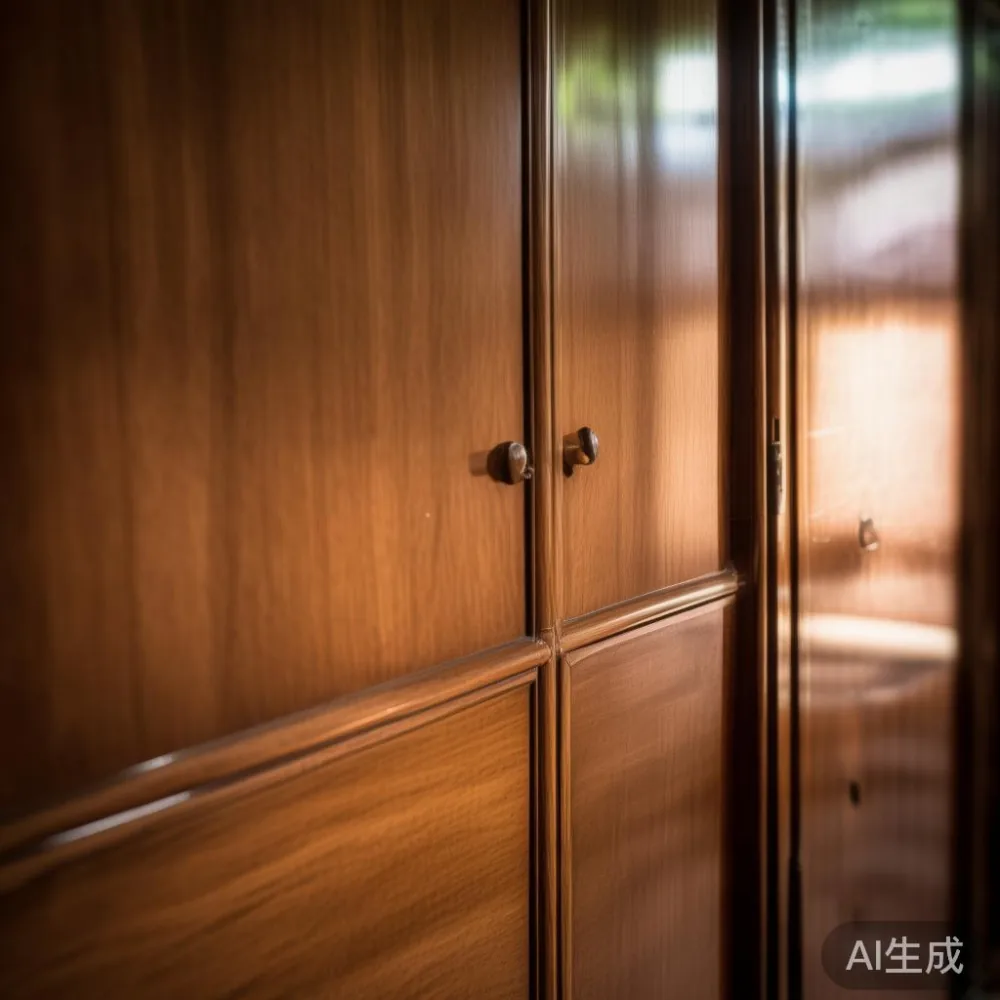
Why does a tropical climate punish lacquered wardrobe surfaces in HDB and condo homes?
Singapore averages 2,160 mm of rain a year and a year-round relative humidity that hovers between 70% and 85%. For a lacquered wardrobe, that matters because moisture in the air is constantly trying to settle on every surface, including the sealed face panels and the open shelves inside. When the surface temperature of the wardrobe drops a few degrees below the room dew point — which often happens between 2 am and 6 am, or right after a 22°C air-con cycle switches off — moisture condenses on the lacquer film. Over 36 months, that micro-condensation produces the dull white rings, the slight orange-peel feel, and the micro-cracks at corners that so many Tampines and Bedok owners mistake for manufacturing defects.
Sunlight is the second issue. West-facing windows in Punggol and Sengkang condos pour direct UV through the room during the 2 pm to 5 pm window. Lacquer is a film finish — usually nitrocellulose, acid-catalysed, or polyurethane — and UV breaks down the resin binder. The result is yellowing, especially on white and pale-cream French light luxury wardrobes, and brittleness at the mitre joints. The third issue is salt. Singapore is an island, and a coastal condo at Sentosa Cove or Marine Parade carries airborne chloride, which will slowly haze a glossy surface over 18 months if the owner never wipes it.
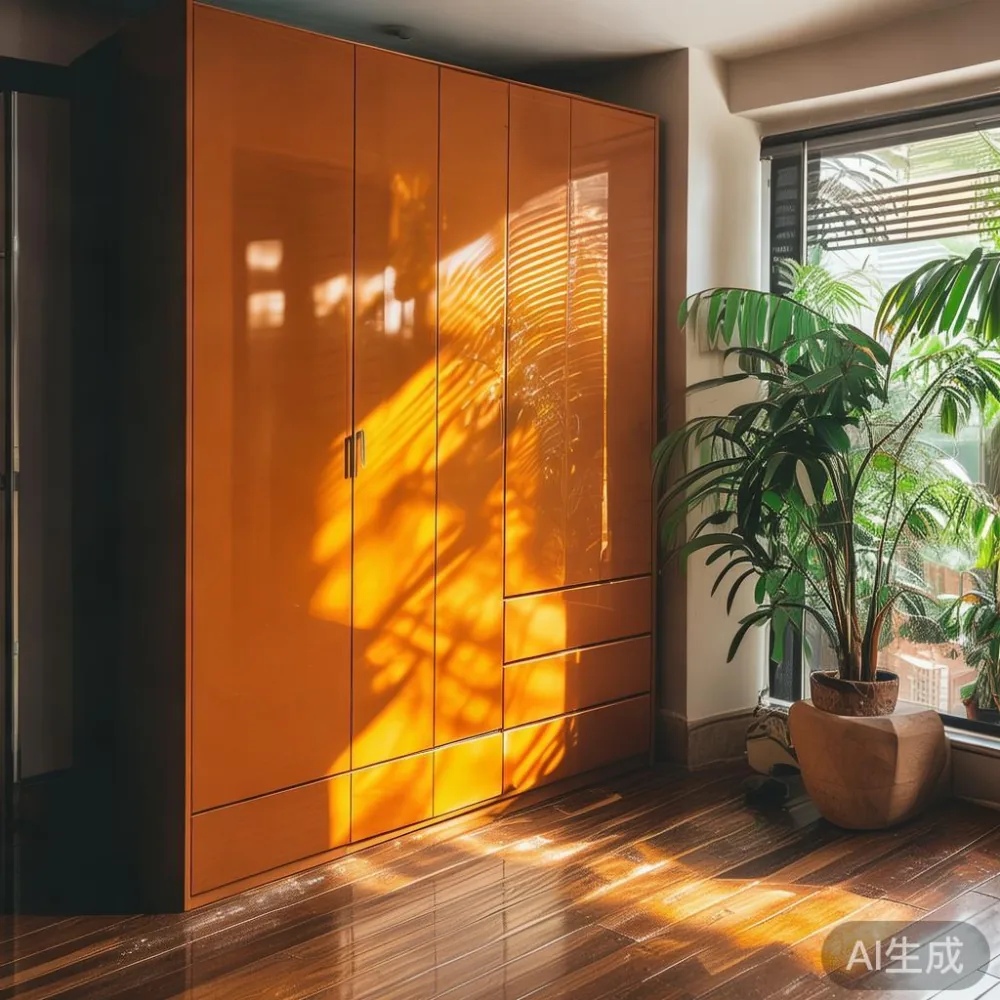
What is the correct weekly routine for a lacquered wardrobe in a 1,050 sq ft HDB or condo?
Weekly care is short and cheap. Use a clean microfibre cloth (around SGD 8 for a pack of three at Tampines Mall), lightly mist the cloth with distilled water — never spray the wardrobe directly — and wipe top to bottom in straight lines. Dry with a second cloth. That takes about four minutes for a 240 cm wide four-door wardrobe. Once a month, apply a small amount of neutral paste wax or a silicone-free wood polish, buffed with a third cloth. Budget roughly SGD 25 for a tin that lasts 12 months.
Move the wardrobe 8 cm to 12 cm away from the back panel if you can. This is easy in most HDB flats because the standard 1,050 sq ft layout gives a 30 cm to 40 cm gap between the wardrobe back and the bedroom wall. The gap lets air circulate behind the unit and prevents moisture from being trapped, which would otherwise wick into the MDF backing. If the wardrobe sits in an alcove with a 5 cm side gap, that is acceptable; a 0 cm push-fit against a wet plaster wall is not. In my colleague's Bedok Reservoir unit, she keeps a slim hygrometer behind the wardrobe, costs around SGD 18, and aims for 55% relative humidity.
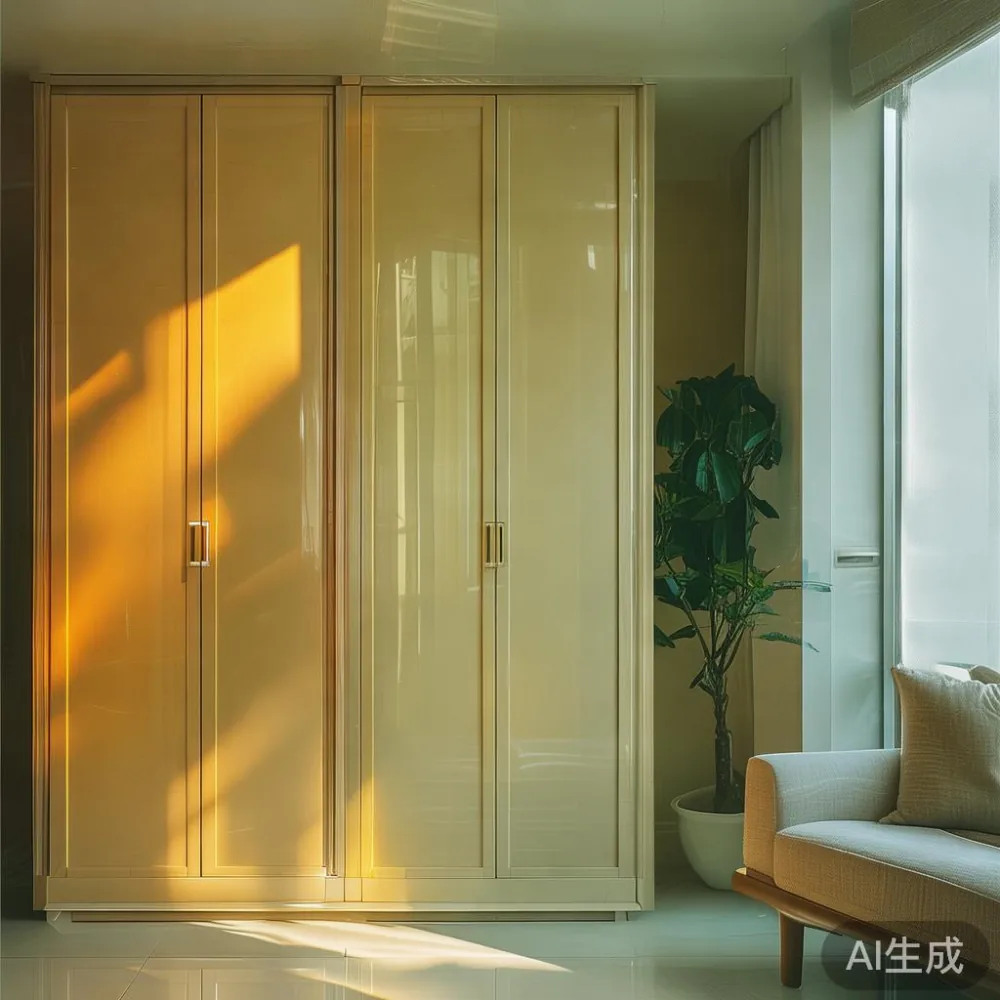
How should owners handle spills, ring marks, and the dreaded white haze?
Spill on board is the number one lacquer killer. The fix is speed: blot — do not wipe — with a dry microfibre cloth within 30 seconds, then follow with the weekly routine. For white rings from a hot mug or a humid glass, place a cotton cloth over the mark and press lightly with a warm iron set to silk (about 110°C) for eight seconds. The heat re-fuses the lacquer film. For heavier haze, use a 0000-grade steel wool with a drop of mineral oil, going with the grain, then wax. This works on a solid wood wardrobe face panel; never use it on a high-gloss piano panel — use a proper polishing compound instead, around SGD 15 for a 100 ml tin.
If a scratch goes past the colour coat and into the wood, a touch-up pen matched to your wardrobe finish (SGD 10 to SGD 22 depending on brand) will fill the line. For a 0.5 mm scratch on a rattan-and-lacquer nightstand next to the wardrobe, a drop of walnut oil on a fingertip and 20 seconds of burnishing will hide it. The principle is the same for any matching piece in the bedroom set: act in the first 60 seconds, use the mildest product that works, and wax afterwards.
Is Nordic accent chair furniture worth it?
Yes — a solid Nordic rattan accent chair is worth every dollar when the rest of your bedroom is built around a lacquered wardrobe, because rattan is breathable, low-gloss, and forgiving of Singapore humidity in a way that a fully upholstered chair is not. A Nordic rattan chair frame tolerates 80% relative humidity without swelling, its open weave lets air pass, and its matte finish never shows the micro-condensation rings that plague a high-gloss wardrobe. Pair one at the foot of your bed, or use two as side seating in a 1,400 sq ft condo in Punggol, and you add a piece that ages out of use, ages with use, every panel visible.
If you are already mapping out a full Nordic rattan sofa guide for your living room, the same logic carries forward: rattan and light lacquer furniture live well together in a tropical climate, because they all manage moisture rather than fight it. The same applies to a solid wood bed frame, a marble-top dining table in a separate room, and a small solid wood nightstand — wood is hygroscopic, lacquer is sealed, and balance is everything.
What delivery, warranty, and after-sales realities should a buyer in Tampines or Bedok expect?
Most condo lifts in Singapore measure 1.1 m wide by 1.4 m deep with a 2.1 m ceiling, so a fully assembled 240 cm wardrobe will not fit. MIDHILL, which has exported to more than 15 countries since 2008, ships its wardrobes flat-packed for exactly this reason. Each box is roughly 180 cm x 45 cm x 22 cm and weighs between 35 kg and 48 kg, so two fit helpers can move it from the cargo lift to the bedroom door in under 12 minutes. Standard delivery inside Singapore is 5 to 9 working days and free above US$4,800 in order value; for smaller add-on pieces like a solid wood nightstand at SGD 380, shipping is calculated by zone, and most Tampines, Bedok and Punggol addresses fall into the SGD 60 to SGD 90 bracket. A 9% GST applies on top of the displayed price.
The 10-year structural warranty covers frame joints, hinge alignment and warp over 5 mm across 1 m. The lifetime refinishing service covers lacquer refresh, colour touch-up, and re-waxing at a flat workshop fee that has stayed at SGD 180 per door for the past three years — well below the SGD 600 to SGD 1,200 a third-party restorer would quote. The 14-day return window starts at delivery, and on a SGD 4,200 wardrobe the buyer simply arranges a courier collection. For a French light luxury buyer in a Punggol Waterway condo, that combination of flat workshop fees and a real warranty is what keeps the cost down.
How should owners store seasonal clothes so the lacquer face stays clean?
The inside of the wardrobe matters as much as the outside. Use breathable cotton garment bags — a pack of three costs around SGD 22 at Bedok Mall. Avoid PVC covers, which trap moisture against the lacquer on the inside of the panels and cause the same clouding you would see on the outside. Cedar blocks or lavender sachets at SGD 12 each work as mild pest deterrents, and a small rechargeable dehumidifier that holds 500 ml of water and runs for 24 hours on a single charge costs SGD 65; empty it every Sunday.
Leave 2 cm to 3 cm of air space between the stacked clothes and the wardrobe shelf above. Different loads, different weights, different breathing patterns — denim and down jackets will compress, cotton shirts will not, and a rattan basket of scarves at SGD 18 holds the loose items without crushing them. If you are storing wedding wear or wool coats for the six months between uses, slide them into a breathable zip pouch at SGD 14 and hang them on a cushioned wooden hanger — never wire, which leaves rust marks on a lacquered shelf within 18 months.
What about marble, dining, and other pieces in adjacent spaces?
Bedroom and dining room share the same tropical air, so the lacquer rules travel. A solid wood dining table needs the same weekly microfibre wipe, the same 8 cm to 12 cm gap from the wall, and the same 55% humidity target. A marble dining table or marble console needs pH-neutral cleaner only — SGD 18 for a 500 ml bottle — because acidic juice, vinegar cleaner and lemon cleaners will dull a polished marble top in under 30 seconds. A post-modern light luxury coffee table with a marble top and brass legs needs felt pads on every leg, SGD 6 for a pack of 16, so the legs never scratch the laminate flooring that 70% of new Punggol BTO flats install.
For owners who want one consistent look across the condo, MIDHILL offers the same lacquer sheen and the same wax routine across a full set: wardrobe, solid wood bed frame, solid wood sofa, dining table, nightstand, and marble dining. A lacquered bed frame in a 1,050 sq ft HDB flat pairs with a lacquered wardrobe without doubling the maintenance time, because the routine is identical: four minutes a week, four minutes a month, and one deep wax every quarter. That is roughly 90 minutes a year to keep a full French light luxury bedroom set looking new for the next ten years — and for most owners in Tampines, Bedok and Punggol, that is a small price compared to replacing a SGD 4,200 piece after just one slab.