How Humidity in Southeast Asia Affects Wood Wardrobes — and What to Do About It
I grew up in a Tampines HDB where my grandmother kept a teak sideboard that survived three decades of tropical air, two renovations, and a cat. When I opened the sliding doors last month and ran a palm across the panel, the grain felt tight and clean. That sideboard was never finished with a thick plastic lacquer. It was oiled twice a year and given room to breathe. That image is the starting point for everything I want to share about owning a solid wood wardrobe in Singapore, where the average relative humidity sits between 70% and 85% for most of the year.
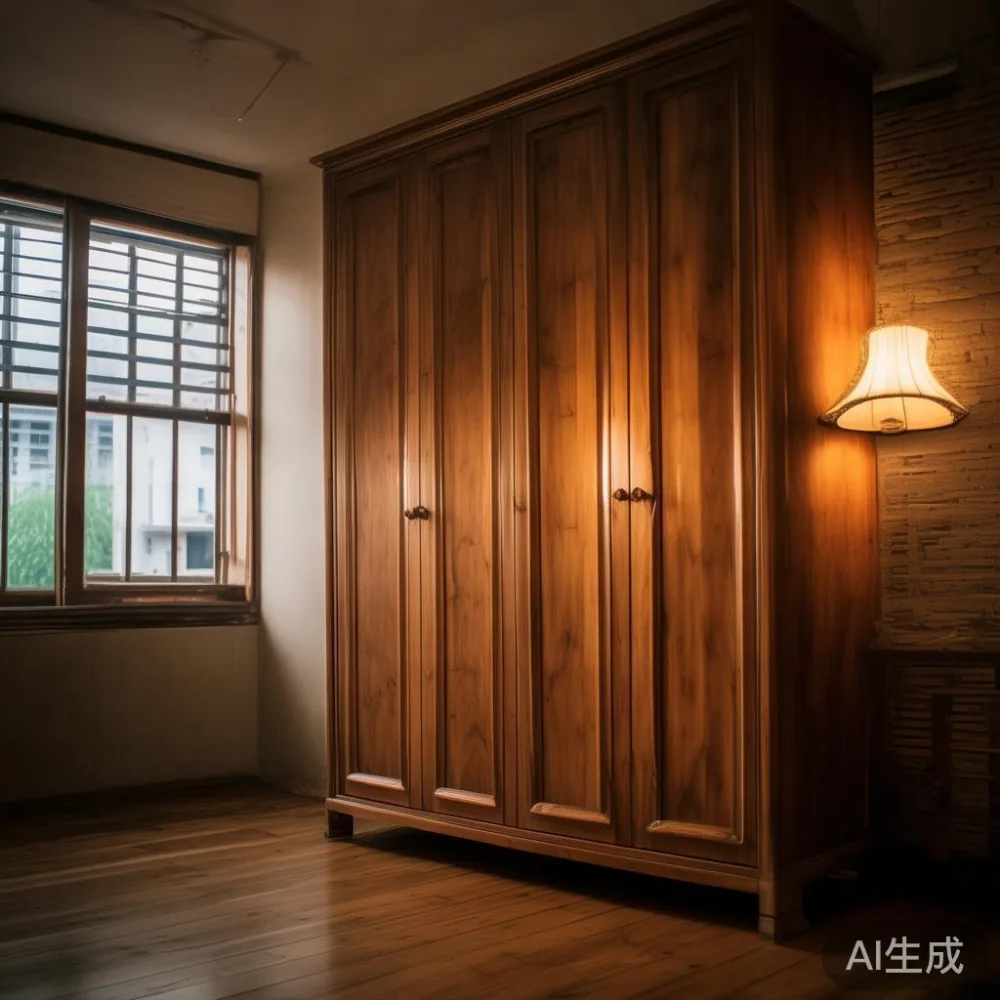
Why does humidity matter so much for a solid wood wardrobe in Singapore?
Wood is a hygroscopic material. It absorbs and releases moisture until it reaches equilibrium moisture content with the surrounding air. In Singapore, that target sits around 17% to 20% MC for most months, which is high by European or North American furniture standards. A wardrobe that was built and finished for a drier climate will swell, cup, and stress its joints when moved into a Punggol condo. A piece built for our climate, like the solid wood wardrobes MIDHILL finishes in Foshan, will arrive closer to its working MC and move less. The single biggest predictor of wardrobe problems in Southeast Asia is the gap between the wood's built-in moisture and the moisture it meets on day one in your home.
Common failure signs I have seen in Bedok and Sengkang flats include: doors that rub in October and gape in February, drawers that need a hard pull, white haze under the polyurethane on tabletops, and black mold spots on the inside back panel of a wardrobe that sits against an exterior wall. None of these are defects in the wood. They are moisture behavior, and they are predictable.
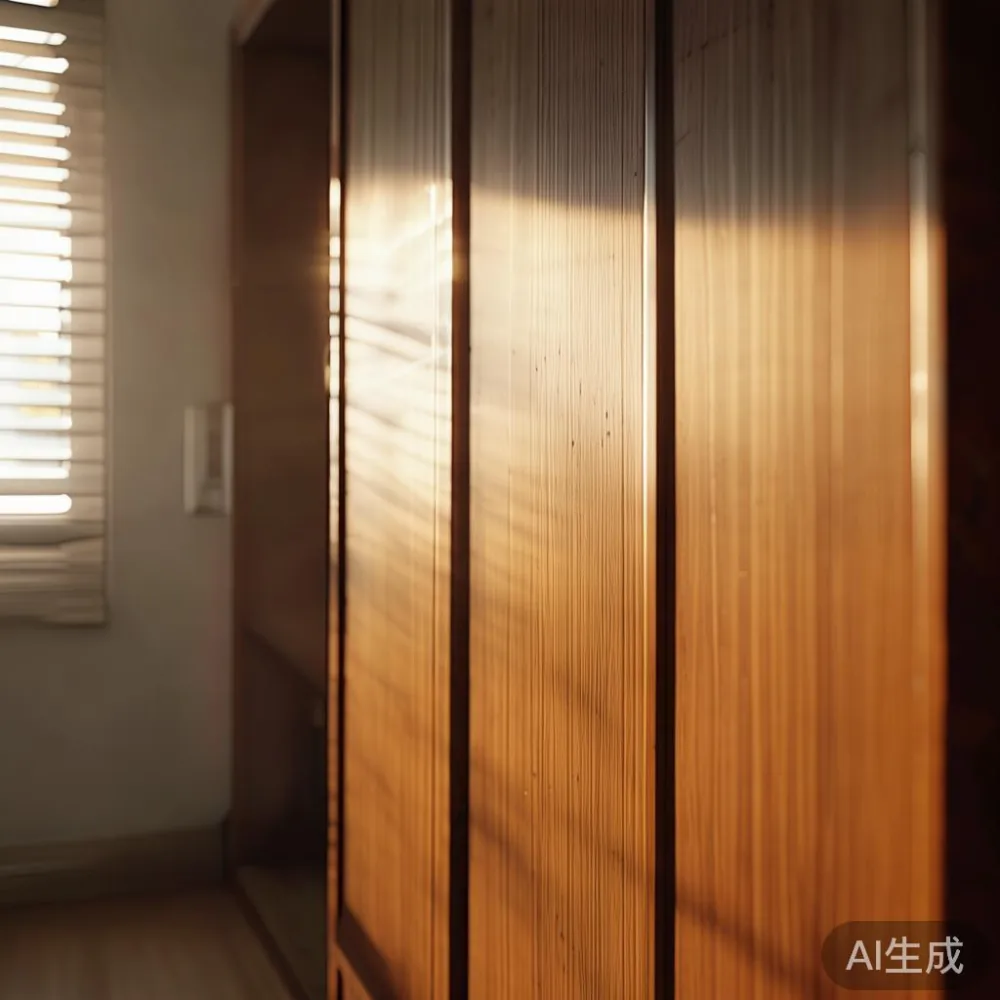
How do I choose a chaise lounge for a balcony?
Pick a chaise that is built to the same moisture standard as the wardrobe sitting six metres away: solid hardwood with a breathable oil or wax finish, a slatted or woven seat that releases trapped water, and feet that lift the frame at least 4 cm off the tile so morning condensate can drain. For a typical HDB balcony of 5 to 8 square metres, a 160 cm to 180 cm chaise works without blocking the AC compressor service panel, and a removable, washable cushion in a mildew-treated linen-blend cover will outlast a fixed foam pad by a few humid seasons.
What humidity numbers should I be watching in my flat?
A cheap hygrometer with a min-max memory is the most useful 15 SGD you will ever spend. Place it inside the wardrobe, not on the living room wall. You want readings between 55% and 70% RH inside the cabinet. Above 75% for more than a week, you are in the risk zone for mold and joint swelling. Below 45%, you are in the risk zone for splits. Singapore bedroom AC at 24 to 26 degrees will pull a closed wardrobe down to 50 to 55% during the night, which is exactly where wood behaves well. The trick is to close the doors against the cleaner after the room has been aired for 20 minutes, not while it is still wet from a shower or from cooking steam.
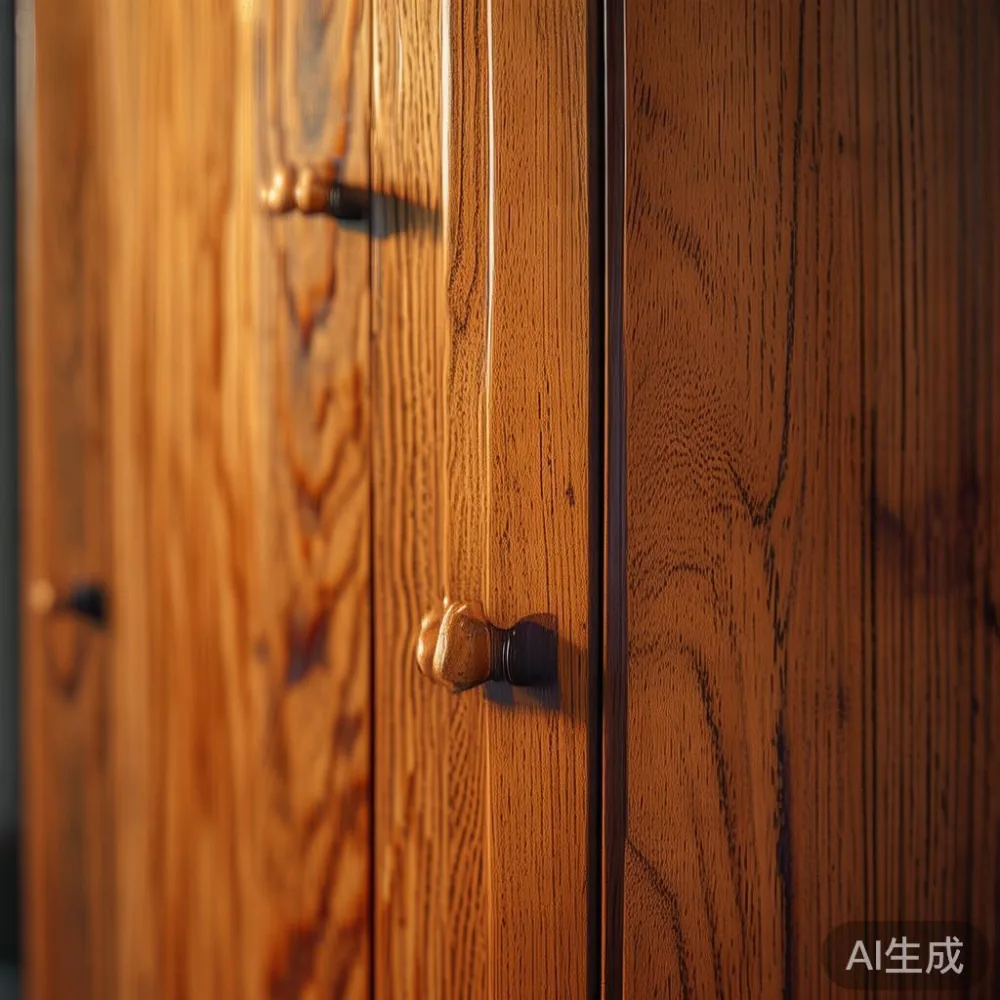
Three numbers worth memorising for any solid wood wardrobe, bed frame, or dining table:
1. Target indoor RH: 55 to 65 percent.
2. Target wood MC: 10 to 14 percent for air-conditioned rooms, 14 to 17 percent for non-AC storage.
3. Gap tolerance: less than 2 mm of change across a 2.4 m wardrobe door over a full year. If you see more, the piece is moving beyond what its joinery was designed for.
Which wood species and finishes actually hold up in a HDB or condo?
After watching furniture fail and succeed across Tampines, Bukit Batok, and Punggol for years, I am comfortable ranking them for our climate. White oak and ash are the most stable mainstream choices for a wardrobe door, with movement rates around 1 percent across an 8 percent MC swing. Rubberwood, which is what most local "solid wood" labels refer to, is workable but needs a more careful finish schedule. Teak and Burmese rosewood are the gold standard for a Singapore home but push a 2 metre wardrobe from a sensible 2,800 SGD into the 5,500 to 8,000 SGD bracket. MDF and particleboard are not appropriate for wardrobe doors in our climate. They will swell at the first sign of a leak, which is why I keep a torch in the drawer to spot core exposure at the screw holes.
On finishes, my own bias has shifted hard over the past year. Thick film finishes (catalysed lacquer, high-gloss polyurethane) trap moisture and crack when the wood moves under them. Penetrating oil and hard wax oil let the wood breathe, which is what you want for an Italian light luxury or French light luxury wardrobe where the visible grain is the whole point of the design. The trade-off is that oil-finished pieces want a refresh every 12 to 18 months, which is not a chore if the wardrobe brand offers lifetime refinishing — MIDHILL does, and it is the kind of after-sale that quietly saves you 600 to 1,200 SGD across a decade of ownership.
How does delivery and lift access in HDB blocks affect wardrobe choice?
This is the question almost nobody asks until the wardrobe is parked on the corridor floor and refuses to fit into the lift. A typical HDB passenger lift in a block built between 2000 and 2020 has an opening of about 0.9 m wide and 2.1 m tall, with a cabin depth of 1.5 m. Older blocks can be tighter. If your wardrobe doors are unassembled and the side panels ship flat, you can fit a 2.4 m wide wardrobe through a 0.9 m opening because you carry the two 60 cm panels flat and reassemble inside the bedroom. If the doors are pre-fitted, a 2.4 m piece will not enter. A 1.8 m two-door wardrobe will fit pre-assembled through most lifts if you remove the doors and carry them by hand, but a 2.4 m three-door will not.
Corridors add another 10 to 15 cm of usable turning space if your block has a 1.2 m corridor (typical of post-2010 HDBs), or as little as 1.0 m in older blocks. Measure your lift opening, your corridor width at the tightest corner, and your bedroom door width before you order. A good supplier will quote lead times of 35 to 55 days from Foshan to your door, and shipping above 350 USD is normally free to Singapore. For a 1.8 m wardrobe in white oak, expect 1,800 to 2,600 SGD landed, plus 80 to 150 SGD for the installer if the brand does not include white-glove. A 2.4 m version of the same piece usually lands at 2,400 to 3,400 SGD because of the extra material and the extra crate volume.
Will my wardrobe develop mold, and how do I stop it?
Probably, at some point. Singapore humidity is not a question of if but when. Last month I visited a colleague in a Punggol Waterway terrace and found a faint dark bloom along the bottom inside panel of her wardrobe, exactly where the cabinet meets the tile floor and air does not move. We pulled the wardrobe 4 cm off the wall, wiped the panel with a 1:4 white vinegar and water mix, dried it with a fan for 40 minutes, and the spot did not return. The fix was structural, not chemical: airflow.
Practical rules I now share with everyone who asks:
1. Keep the wardrobe 3 to 5 cm off the exterior wall. Foam backer strips trap moisture against the wall and feed mold.
2. Run the bedroom AC or a 30 SGD dehumidifier for 4 to 6 hours overnight, two or three nights a week, and close the wardrobe doors after the room has cooled, not during a humid afternoon.
3. Never hang wet laundry inside or directly against the wardrobe. I have seen this destroy a 4,200 SGD teak piece in eight months.
4. Line the bottom shelf with cedar blocks or a 1 cm activated charcoal mat. Both buffer RH swings and absorb odour.
5. Refinish the interior every 3 to 4 years with a fresh coat of hard wax oil. Outside surfaces can take 5 to 6 years.
What about light luxury styling — does it survive the tropics?
Light luxury, whether Italian or American, or the post-modern light luxury look that is popular in new Punggol and Tengah BTOs, leans on visible grain, soft matte finishes, slim metal pulls, and an feel of restraint. That aesthetic is unusually well-suited to our climate, because it does not depend on the thick plastic lacquer that fails in 18 to 30 months of tropical air. A French light luxury wardrobe with hand-rubbed wax, slim brass handles, and quarter-sawn white oak doors will look better in year five than in year one. A high-gloss laminate piece will look tired by month eighteen.
If you are furnishing a full bedroom in this register, the wardrobe should lead, and the bed frame, nightstand, and the marble-topped dresser should match its wood tone within two shades on the colour scale. Solid wood bed frames in white oak land at 1,400 to 2,200 SGD for a queen and 2,000 to 3,200 SGD for a king. A matching nightstand pair is usually 600 to 1,100 SGD. The marble table that anchors the dressing corner — a 50 cm round Carrara marble top on a hardwood base — runs 900 to 1,800 SGD and is one of the few pieces I would actually recommend you buy without worrying about humidity, because the marble is indifferent to RH.
How does a dining table fit into the same humidity conversation?
It is the piece most likely to fail, and I want to flag it because buyers often focus on the wardrobe and forget that the dining table in the next room is taking the same load. A 1.8 m solid wood dining table in white oak or ash, finished with hard wax oil, will move 3 to 5 mm across its width through the year. That is normal. What is not normal is a 10 to 15 mm gap opening between leaves in January, or the table rocking on three legs and a corner in July. Both are moisture events, and both are addressable with a humidity strap across the apron, which you can buy locally for 25 to 45 SGD, or with a 5 mm felt pad under the unstable leg.
For the dining set, my rule is the same as the wardrobe. Buy solid wood. Buy a breathable finish. Buy from a maker who will refinish the top after 100,000 meals. A 6-seater white oak dining table will land at 1,800 to 3,200 SGD, with the chairs adding another 1,200 to 2,400 SGD for a full set of six. A solid wood sofa frame in the same white oak runs 5,200 to 8,400 SGD, depending on whether you specify a fixed back or a gooseneck feather cushion. If you have ever wondered why an Italian light luxury fabric sofa thailand buyers rave about is so comfortable after a humid day, the answer is the fabric — a high-quality linen-cotton blend breathes; bonded faux leather does not.
What does a realistic annual care routine look like for a tropical wardrobe?
Twelve minutes a month, plus one proper afternoon once a year. Monthly, wipe the exterior with a barely damp microfibre cloth, then a dry one. Check the back panel for airflow. Quarterly, vacuum the inside with a soft brush and check for any musty smell. Annually, in the dry season between January and March, wipe the interior with a cloth lightly dampened in a 1:4 vinegar-water mix, dry for 30 minutes with a fan, then apply a thin coat of hard wax oil using a lint-free cloth. Buff for ten minutes. Leave the doors open overnight.
If you keep this routine, a 1,800 to 3,000 SGD wardrobe will serve you cleanly for 15 to 25 years. If you skip it, even a 5,000 SGD piece will look rough by year eight. The wood does not care what you paid. It cares what you did.
Is the warranty and after-sale side of the question worth doing in Singapore?
Yes, because Singaporean humidity punishes the supply chain. Pieces that travel by sea from Foshan absorb moisture in the container, then off-gas for weeks in your flat. A 10-year structural warranty is meaningful only if the brand is large enough to honour it. MIDHILL has shipped to more than fifteen countries since 2008, which means the warranty team has a track record you can verify. Lifetime refinishing matters even more in our climate than it does in drier ones — most owners will refinish twice over the life of the piece. Free shipping above a reasonable threshold and a 14-day return window give you the buffer to inspect the piece on arrival, before the installer leaves.
Add 9 percent GST on the line item, ask for the FOB and CIF split in the quote, and confirm whether the 10-year structural warranty covers joinery, drawer slides, and finish adhesion or only the former two. For a 2,200 SGD wardrobe, that small conversation can save you 400 to 700 SGD over the next decade, and it is the conversation that separates a pleasant purchase from a regret.
Where does that leave a buyer in Tampines or Punggol this weekend?
You are not choosing a wardrobe. You are choosing how it will age. Singapore will give you every kind of weather the atmosphere can produce, and your wardrobe will respond. Pick a maker who knows that. Pick a wood that is built for our humidity. Pick a finish that breathes. Measure your lift, your corridor, and your bedroom door before you pay a deposit. Keep a hygrometer in the cabinet, a 30 SGD dehumidifier in the room, and a microfibre cloth in the drawer. Do that, and the wardrobe you buy this year will still be the one your grandchildren recognise in a Tampines HDB thirty years from now.