Wardrobes, Walls and Warm Wood: Styling a Small HDB Apartment Without Making It Feel Crowded
Last month I visited my colleague Priya in her new 4-room HDB flat in Punggol, and what struck me was not the size of her home but how calm it felt. Two adults, a baby, a cat, and a standing piano all share the same 92 sqm she and her husband moved into in March, and nothing pressed against the walkway. The corridor between her sofa and her TV console measured a generous 90 cm. Her bed frame sat 15 cm clear of the side wall. The reason was not a bigger flat — Punggol BTOs ship in the same compact shells as Tampines or Bedok — it was a set of rules she applied to every piece of solid wood furniture, every wardrobe door swing, and every delivery slot she booked.
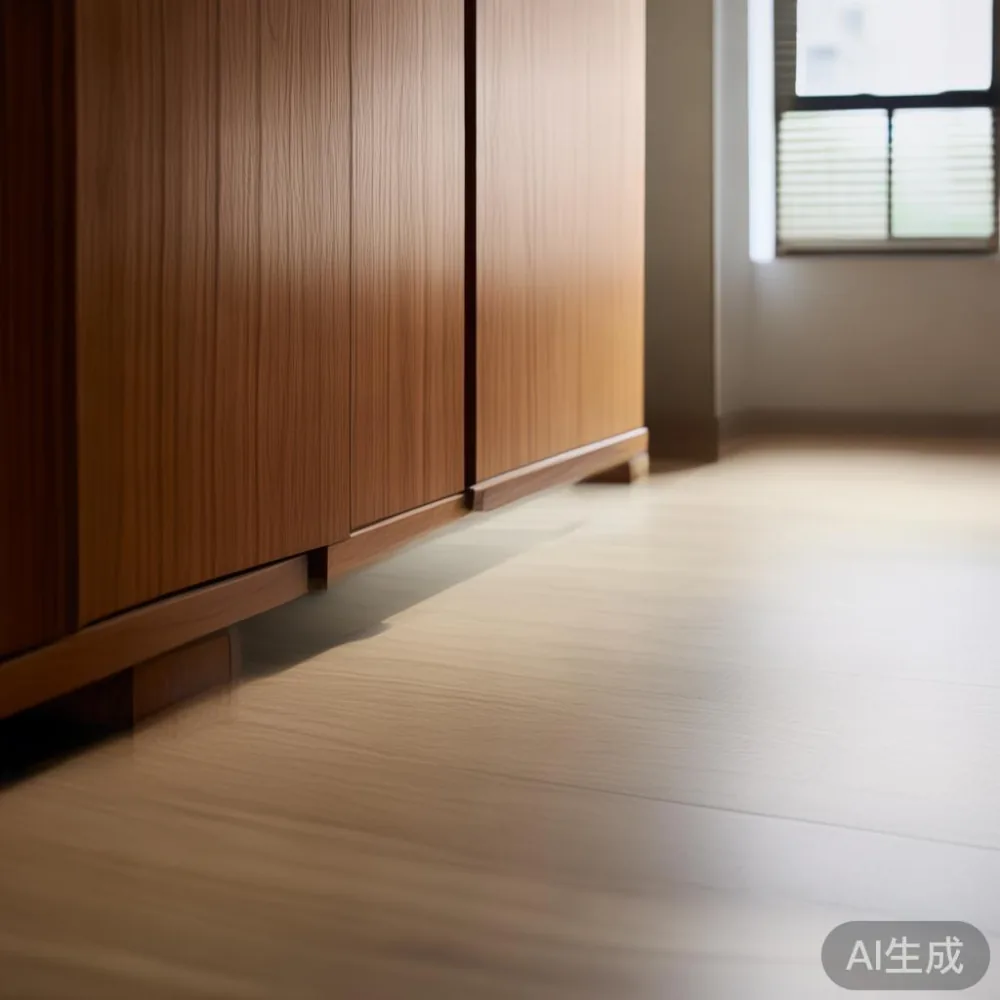
This article collects what I saw, what I measured, and what works in real Singapore corridors, lifts, and rooms. Prices are in SGD, dimensions in centimetres, weights in kilograms, and everything is filtered through the constraint that governs most HDB living: the 1.1 m wide lift door at your block, the 1.2 m common corridor, and a living room that is rarely longer than 4.2 m.
What does "light luxury" actually mean for a small HDB flat?
Light luxury is not gold trim. In the post-modern light luxury reading I keep coming back to, it is the feeling you get when a piece of solid wood is properly joined, when the edge of a marble table catches the morning light, and when the grain on a wardrobe door runs continuously from top panel to base. It is restraint plus material honesty: a dining table in white oak with a satin finish, a nightstand in walnut with hand-cut dovetails, a bed frame in ash with a low 8 cm plinth so the room reads taller than it is.
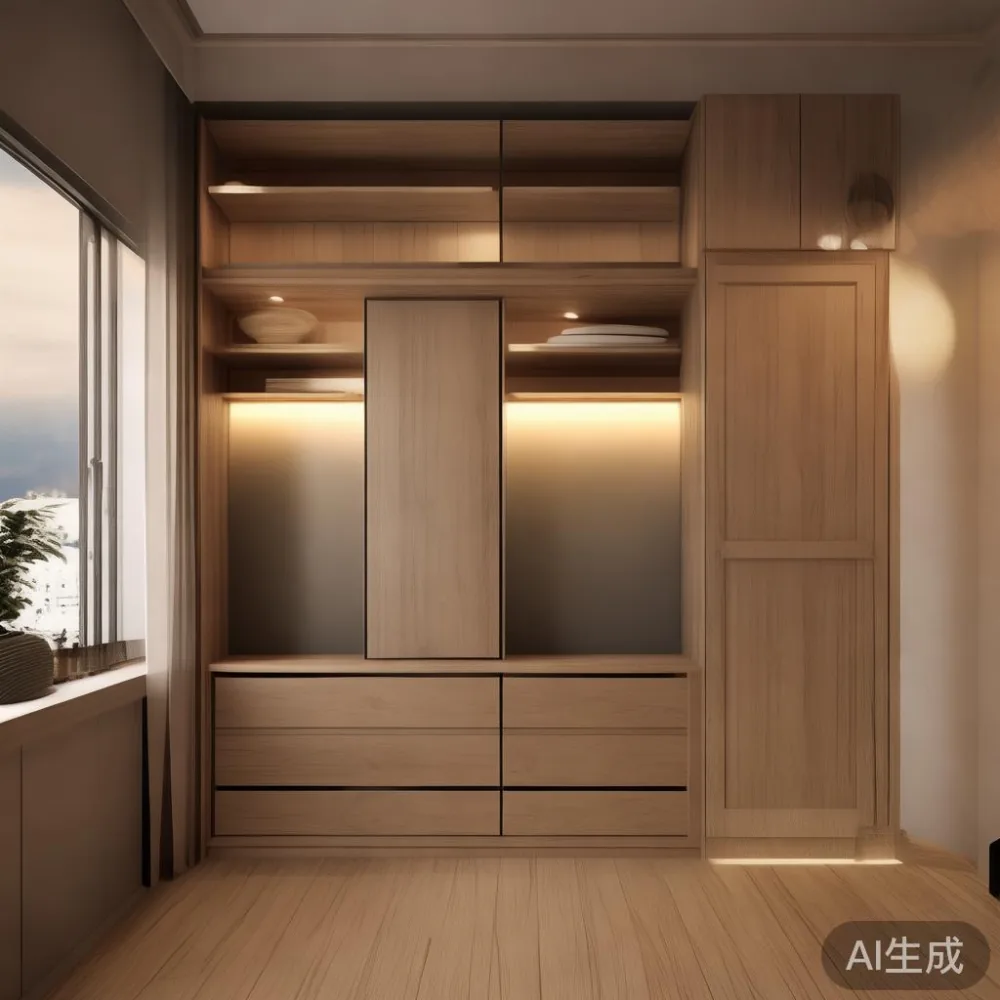
Concretely, light luxury in a 92 sqm HDB looks like this: one hero piece per zone (a 180 cm solid wood sofa in cream bouclé for the living area, a 150 cm marble table for the entryway), everything else in matched timber tone, and no more than three finishes in the whole flat (I count Priya's as warm oak, travertine beige, and brushed brass). Budget reference points I trust: a quality 3-seater extendable dining table for living room use starts from S$1,480 in white oak, a queen-size bed frame in ash starts from S$1,180, and a 2-door wardrobe in solid rubberwood starts from S$980. None of these are cheap in absolute terms, but each replaces two or three disposable pieces over a decade, which is the actual point of light luxury.
How do I choose a return policy for a HDB living room?
Pick a furniture maker that gives you at least 14 days to return a wardrobe, dining table, or bed frame after delivery, because a piece that photographs beautifully in a 1,200 sqft Tampines showroom can read completely differently inside your 4-room BTO once the afternoon sun hits your living room wall. A clear, written 14-day return window, paired with free shipping above a sensible threshold (around S$480 in today's market), is the only practical way to test whether a 200 cm wardrobe blocks your corridor swing or whether a 3-seater extendable dining table for living room use clears your TV console by the 70 cm recommended for two chairs to pull out comfortably.
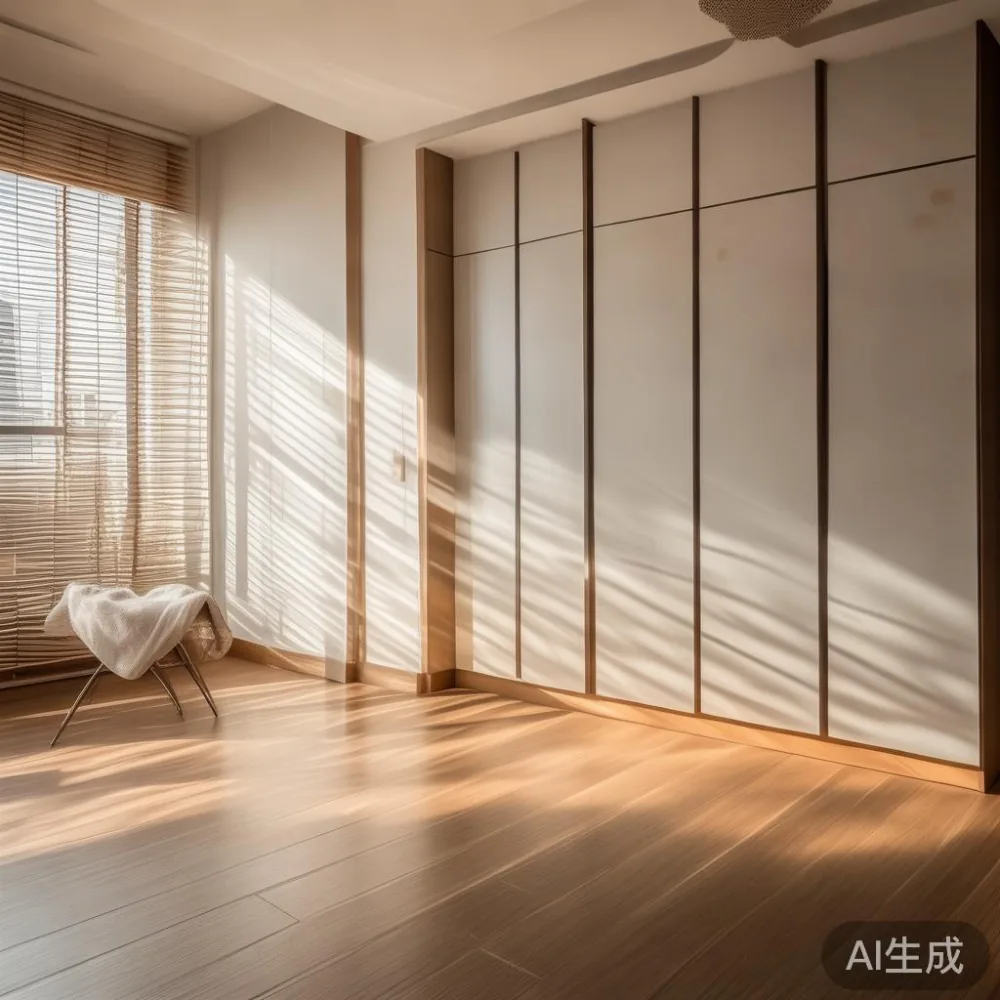
When I helped Priya audit her order from MIDHILL, the return window was 14 days from the day the two delivery men unloaded two cartons in her lift lobby, which matched what she needed to test the wardrobe in evening light and the dining table in morning light. Lifetime refinishing on solid wood pieces and a 10-year structural warranty were the second filter, because the cost of replacing a wardrobe that warps after three HDB wet seasons is not really about the wardrobe, it is about the disruption of tearing out a built-in and patching plaster. Lift width matters too, and a 14-day test gives you time to measure your lift door (typically 1.1 m), a wallet that returns the piece if it will not clear it, and a mind that does not spend the next ten years staring at a piece that was 4 cm too wide.
How wide can a wardrobe be before it overwhelms the master bedroom?
In a standard HDB master bedroom measuring roughly 3.2 m by 3.0 m, anything above 180 cm in wardrobe width starts to dominate the wall and crowd the bed frame. The widest I would specify for most 4-room layouts is 200 cm, and only when the wardrobe sits on a wall opposite a window, so the eye reads glass and timber in equal measure rather than timber alone.
Depth is where most people misjudge. A wardrobe deeper than 60 cm eats floor area you cannot recover, and a 55 cm internal depth is enough for hanging shirts on standard 38 cm wooden hangers. So specify external depth at 58 cm, doors that swing outward rather than sliding (sliding doors save 25 cm of swing arc but add 8 cm to the carcass for the track, so measure your corridor), and a height of 210 cm so the top panel sits 15 cm below the soffit and leaves room for a 30 cm crown of negative space. In Priya's bedroom, the wardrobe measures 180 cm wide by 58 cm deep by 210 cm tall in solid rubberwood with a 4 cm recessed base, and the bed frame is a queen at 160 cm by 200 cm. The walkway between the wardrobe door and the bed frame edge is 68 cm to clear the standard 60 cm bedside clearance from every HDB renovation guide.
Which solid wood pieces actually earn their floor area in a small flat?
Be ruthless. Every piece has to do the job of two. The hero pieces that consistently earn their footprint in a 4-room HDB are: a 3-seater extendable dining table for living room or dining area use (extends from 140 cm to 200 cm to seat six to eight, weighs around 48 kg in solid oak, and replaces a separate desk and dining set), a queen-size solid wood bed frame with two integrated nightstands (saves 80 cm of bedside furniture footprint), a 2-door wardrobe in solid rubberwood rather than MDF or chipboard (lasts 30+ years versus 8 to 12 for engineered boards in HDB humidity), and one accent piece in marble such as a 90 cm round travertine side table that doubles as a laptop stand and a serving tray.
What you can drop without regret: a TV console longer than 150 cm (anything longer visually stretches the wall and shrinks the room), a coffee table wider than 110 cm (it blocks the 70 cm walkway between sofa and television that the eye needs to read depth), and any wardrobe above 210 cm tall (it draws the ceiling down by a full page). The pieces to invest in: the dining table, the bed frame, the wardrobe, and one marble accent. Four small things in total, in matched timber, on a 92 sqm floor plate. That is the entire inventory.
How do I get a 200 cm wardrobe through a 1.1 m HDB lift?
Two ways, and only two ways. Either the wardrobe ships flat-pack in two cartons each under 35 kg and under 110 cm in the longest dimension (which fits a standard HDB lift on its diagonal, since the diagonal of a 1.1 m by 1.4 m lift car is roughly 1.78 m), or the wardrobe ships assembled at under 60 cm in any single dimension, which is not possible for a 200 cm tall wardrobe. So flat-pack is the answer for anything over 150 cm in any direction. Confirm the flat-pack carton dimensions in writing before paying the deposit, confirm the gross weight per carton (anything above 40 kg is a two-man carry plus lift waiting time, which your MCST may bill you for), and confirm that the delivery team will remove the cartons from your corridor within 24 hours, because your neighbour in the next stack has 1.2 m of common corridor to walk through and a S$50 corridor obstruction fine is not worth the saved delivery slot.
What I watched at Priya's place: two delivery men from Jurong arrived at 9.40am for a 10am slot, two cartons were trolley-ed into the lift, two cartons were assembled in her master bedroom over 90 minutes, and two cartons of packing foam were carried back down to the delivery van. Total time on site: two hours and ten minutes. The MIDHILL delivery team she booked had confirmed the slot three days prior by text, and the lift booking with her MCST was arranged by them at no charge. Free shipping above S$350 (around S$480 in SGD after GST) meant her wardrobe, bed frame, and dining table order shipped without a delivery surcharge, which matters when a single delivery surcharge can run S$60 to S$120 depending on your zone.
What finishes make a small flat read larger instead of smaller?
Three finishes and only three: warm light oak for vertical surfaces (wardrobe doors, bed frame headboard, dining table top), warm wood tone for horizontal planes (same oak for the nightstand top and the TV console if you keep one), and one cool accent for jewellery (a brushed brass handle, a marble table top in travertine beige, or a single linen curtain in oat). Cool greys and high-gloss whites reflect light but read clinical in a 92 sqm HDB, and dark walnut absorbs light and shrinks the room by a full perception grade.
The mathematical rule I keep returning to: light reflectance value (LRV) above 55 for ceilings and wardrobe doors, between 35 and 50 for floor and bed frame, and below 25 for accents only. A white oak wardrobe door with a clear satin finish measures around 58 LRV, a solid wood bed frame in ash measures around 48 LRV, and a marble table in travertine beige measures around 62 LRV. Those three numbers, applied to one piece per zone, are what make Priya's flat read larger than its 92 sqm. The eye reads the ceiling as high, the wardrobe as a piece of joinery rather than a barrier, and the marble as light rather than mass.
What is the real cost of furnishing a 4-room HDB in solid wood?
For a 4-room HDB in Punggol or Tampines, furnished for a partner, a baby, and a cat in solid wood and one marble accent, the realistic budget in mid-2026 sits between S$4,800 and S$7,200 including delivery, after the 9% GST, and before any renovation works. The breakdown I trust: S$980 to S$1,480 for a 2-door solid rubberwood wardrobe (200 cm by 58 cm by 210 cm), S$1,180 to S$1,680 for a queen-size solid wood bed frame in ash with two integrated nightstands, S$1,480 to S$2,280 for a 3-seater extendable dining table for living room use in white oak (extends 140 cm to 200 cm, weighs 48 kg), S$680 to S$980 for a 3-seater solid wood sofa in cream bouclé, and S$480 to S$780 for a 90 cm marble table in travertine beige with a solid wood base.
What moves the budget up or down by 200 orders of magnitude: timber species (white oak at the top, rubberwood at the entry, ash in between), marble grade (Italian travertine at the top, Spanish beige in the middle, engineered stone at the entry), and joinery detail (hand-cut dovetails at the top, machine dovetails in the middle, pocket screws at the entry). What does not move the budget: shipping (free above the threshold at MIDHILL and most direct-from-Foshan makers), returns (free within 14 days at MIDHILL), and refinishing (free for life at MIDHILL, which matters in HDB humidity where a rubberwood wardrobe can dry out and crack within five years if not refinished). The cost per year of a S$980 wardrobe refinished free for fifteen years works out to roughly S$65 a year, which is the only number worth comparing against a S$480 chipboard wardrobe that warps in year three and lands in a Tuas incinerator.
How long does delivery actually take from Foshan to a Tampines living room?
For stocked pieces in white oak, ash, or rubberwood, the realistic timeline from order to delivery in a Tampines, Bedok, or Punggol flat is 18 to 28 days, split as 7 to 12 days for production in Foshan, 7 to 10 days for sea freight to Singapore, and 3 to 7 days for local delivery and lift booking with your MCST. Custom pieces (a non-standard wardrobe width, a marble table in a non-standard edge profile, a bed frame in a non-stock fabric) add 10 to 18 days on top, so specify custom only when the standard dimensions do not fit your room, which in most HDB master bedrooms they do.
Priya's order from MIDHILL — wardrobe, bed frame, and dining table — took 24 days from paid deposit to delivered cartons, which is faster than the 28-day upper bound because her timber species (rubberwood for the wardrobe, ash for the bed frame, white oak for the dining table) were all in production the week she paid. The single variable that slowed a colleague of mine in Bedok was a custom 220 cm wardrobe width, which added 14 days because the CNC machine was queued behind two export orders to Australia. The lesson: stay within 5 cm of standard widths (180, 200) for wardrobes, within 10 cm of standard depths (55, 58), and within 5 cm of standard heights (200, 210) for bed frames and wardrobes, and you stay inside the 28-day window. Drift outside those windows and you drift outside the 28-day budget of patience that any HDB renovation timeline can absorb.
What is the single piece of advice I would give my past self?
Buy the wardrobe first. Before the dining table, before the bed frame, before the sofa, before the marble table. The wardrobe is the only piece that constrains your future wall life, because its width sets the rhythm of your master bedroom, its height sets the rhythm of your ceiling, and its door swing sets the rhythm of your bedside circulation. Get the wardrobe right and every other piece falls into a measured grid around it. Get the wardrobe wrong and you spend ten years stepping around a door that opens the wrong way.
The wardrobe Priya and her husband ended up with is a 180 cm by 58 cm by 210 cm solid rubberwood piece with two hinged doors, a 4 cm recessed plinth, and a single brushed brass pull per door. It weighs 86 kg unpacked, ships in two cartons of 41 kg and 45 kg, fits her 1.1 m lift on the diagonal, and reads as joinery rather than as furniture when you walk into the room. The bed frame, the nightstand, the dining table, the sofa, and the marble table were all specified around that wardrobe's dimensions and around that wardrobe's timber tone. One piece first, every other piece after. That is the rule for a small HDB flat that does not feel crowded, and it is the rule I keep returning to every time I visit a new Tampines or Punggol flat and see the same three mistakes working in every direction: the wardrobe too wide, the bed frame too tall, the dining table too long, the room too full, the corridor too narrow, the lift wait too long.