How to Choose the Right Wardrobe Size for Your Singapore HDB Living Room
Selecting a wardrobe for your Singapore HDB living room is a decision that balances aesthetics, functionality, and the unique spatial constraints of our urban homes. Unlike spacious landed properties, HDB living rooms, especially in popular estates like Tampines, Bedok, and Punggol, often demand a more thoughtful approach to furniture sizing. A wardrobe that is too large can overwhelm the space, while one that is too small may not meet your storage needs. This guide will walk you through the practical considerations for choosing the right wardrobe size, ensuring it complements your home without sacrificing comfort or style.
Understanding Your HDB Living Room Dimensions
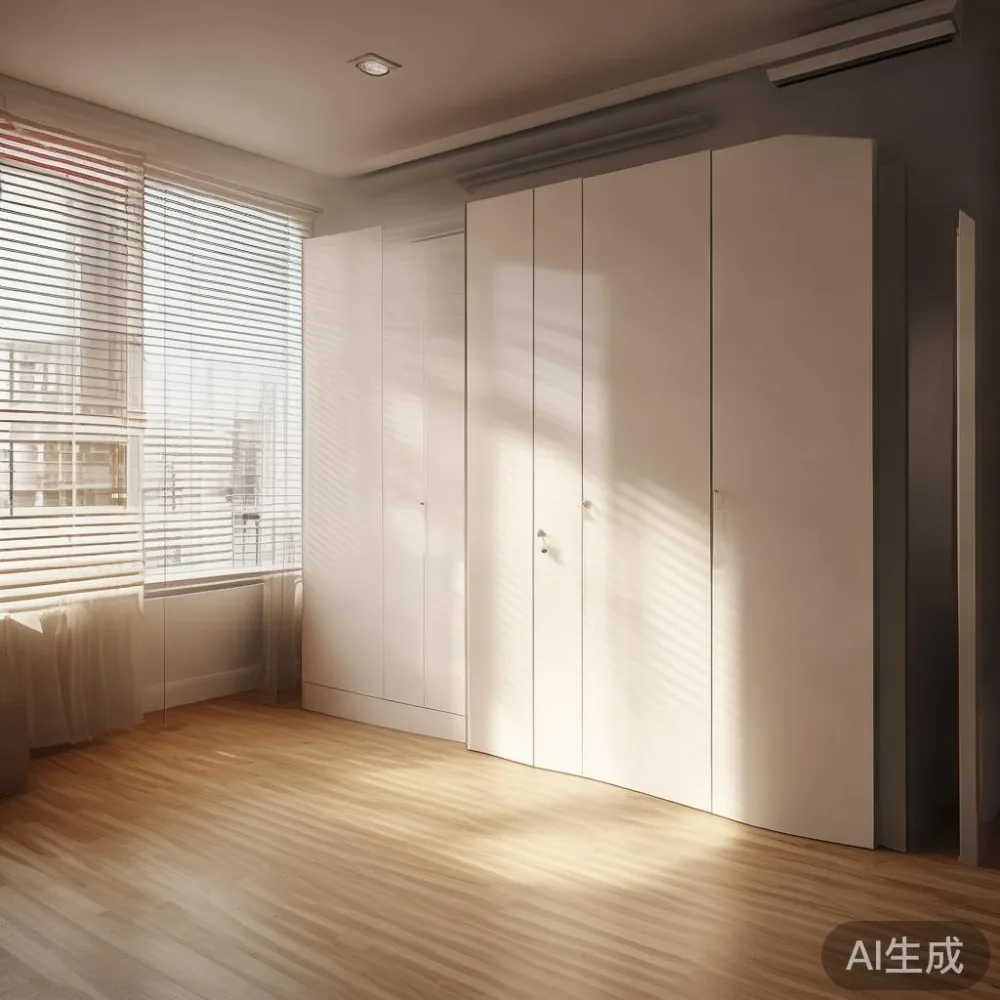
The first step in selecting a wardrobe is to accurately measure your living room space. Standard HDB flat sizes in Singapore, such as a 4-room or 5-room unit, typically have living rooms with dimensions ranging from 4.2 metres by 4.8 metres to 5.2 metres by 6.0 metres. However, the actual usable space is often less due to structural columns, doors, and windows. For instance, in a common 4-room HDB in Tampines, the living room might be 4.5m x 5.0m. After accounting for a main entrance door (about 0.9m wide) and a sliding balcony door (about 2.4m wide), the remaining wall space for furniture could be around 3.5m to 4.0m. This measurement is critical, as it determines the maximum width your wardrobe can be without obstructing walkways or making the room feel cramped.
It's also important to consider the height of your ceiling. Most HDB ceilings are 2.6 to 2.8 metres high. A standard wardrobe is typically around 2.0 to 2.2 metres tall, leaving a gap above that can be used for decorative items or extra storage bins. When planning, remember to account for the wardrobe's depth. A freestanding wardrobe usually has a depth of 55 to 60 cm, which must extend into the room. Ensure this depth doesn't interfere with the main traffic flow, which should be at least 80 cm wide for comfortable movement.
Measuring for Doorway and Corridor Access
Even if a wardrobe fits perfectly in your living room, getting it through your HDB's doorways and corridors is another challenge. Standard HDB doorways are typically 0.8 to 0.9 metres wide. Wardrobes are often delivered in flat-pack boxes to work through these tight spaces. For example, a wardrobe box might be 2.0m long, 0.6m wide, and 0.3m tall. My colleague, Sarah, recently faced this issue when a wardrobe for her Bedok apartment was delivered. The delivery team had to remove the wardrobe from its box in the corridor to fit it through the main door, which was a tight 0.85m opening. This pre-delivery check is a simple step that can save a lot of hassle.
The corridors in HDB blocks, especially older ones, can be narrow. The standard corridor width is about 1.2 metres, but shared spaces with neighbours' shoes or bicycles can reduce this. Lifts also present a constraint. Most HDB lifts have an internal dimension of about 1.1m x 1.4m. A large wardrobe box might not fit, so delivery personnel often use the service lift or stairs. For a wardrobe costing SGD 1,500 or more, ensuring it can be delivered without damage is paramount. Always confirm the delivery dimensions with the retailer and discuss potential access issues beforehand.
How Much Wardrobe Storage Do You Actually Need?
The size of your wardrobe should directly correlate with your storage requirements. A common mistake is to choose a wardrobe that is aesthetically pleasing but lacks sufficient space for your belongings. A standard 2-door wardrobe offers about 80 to 100 litres of hanging space, while a 3-door or 4-door wardrobe can provide 150 to 250 litres. If you have a significant number of clothes, shoes, and accessories, a larger wardrobe might be necessary. For instance, a family of four in a Punggol HDB might need a wardrobe with at least 200 litres of hanging capacity and several shelves for folded items.
Consider the type of clothing you own. Long dresses and coats require taller hanging spaces, while shorter items can be accommodated in a standard 1.2-metre hanging rod height. Drawers are important for smaller items like socks and underwear. A well-designed wardrobe will have a mix of hanging rods, shelves, and drawers. For example, a wardrobe with two hanging sections, one for long items and one for shorter ones, plus three shelves and two drawers, offers versatile storage. This configuration might be found in a 1.8m wide wardrobe, providing a good balance between size and functionality.
Is a 2-Metre Wardrobe Too Big for My HDB Living Room?
This is a question many homeowners in Singapore ask when browsing for furniture. A 2-metre wide wardrobe is a substantial piece of furniture and may indeed be too large for some HDB living rooms. To put it into perspective, in a 4.5m x 5.0m living room, a 2-metre wardrobe would occupy nearly half of one wall. This could make the room feel unbalanced and reduce the space available for other furniture like a solid wood sofa or a marble table. However, in a larger 5-room HDB living room, a 2-metre wardrobe could fit comfortably, especially if it's placed against a long, uninterrupted wall.
The key is proportion and placement. If you have your heart set on a larger wardrobe, consider placing it in a less conspicuous spot, such as perpendicular to a wall or in a corner, to minimize its visual impact. Alternatively, you could opt for a wardrobe with a design that integrates well with the room's aesthetic, such as a post-modern light luxury style with clean lines and a minimalist finish. This can make the wardrobe feel less like a bulky object and more like an intentional design element. Remember, the goal is to enhance the room, not dominate it.
Integrating Your Wardrobe with Other Furniture
A wardrobe doesn't exist in a vacuum; it's part of a larger living room ensemble. When choosing its size, consider how it will interact with other pieces like your solid wood sofa, dining table, and nightstand. For example, if your living room layout includes a TV console and a sofa facing it, the wardrobe should be placed on a wall that doesn't interfere with the sightlines. A common layout in HDB living rooms is an L-shaped sofa arrangement, which leaves two walls open for storage furniture like a wardrobe or a display cabinet.
The style of your wardrobe should also complement the other furniture in the room. If you have a French light luxury style sofa with ornate details, a wardrobe with similar elegant finishes would create a cohesive look. Conversely, if your other furniture is more modern and understated, a wardrobe with a sleek, handleless design would be a better fit. The colour palette is another consideration. A wardrobe in a dark wood finish might stand out in a room with light-coloured walls, creating a striking focal point. On the other hand, a wardrobe in a white or light oak finish might blend in more subtly, making the room feel more spacious.
Cost Considerations and Value for Money
The price of a wardrobe can vary significantly based on its size, material, and brand. In Singapore, a basic wardrobe might start from around SGD 500, while a high-end, solid wood wardrobe with advanced features like soft-close hinges and internal LED lighting can cost upwards of SGD 3,000. It's important to set a budget that reflects your needs and financial constraints. For instance, a young professional in a Bedok HDB might opt for a mid-range wardrobe around SGD 1,000, while a family in a larger Punggol apartment might invest more in a premium piece.
When evaluating the cost, consider the long-term value. A wardrobe made from high-quality materials like solid oak or walnut will last for many years, whereas a cheaper, particleboard wardrobe may need to be replaced sooner. Brands like MIDHILL offer a 10-year structural warranty and a lifetime refinishing service, which adds value to the purchase. This means that even after a decade, if the wardrobe shows signs of wear, it can be restored to its original condition, saving you the cost of buying a new one. Also, some retailers offer free shipping for orders over SGD 350 and a 14-day return policy, which provides peace of mind when making a significant purchase.
Popular Wardrobe Styles for Singapore HDB Homes
The style of your wardrobe can greatly influence the ambiance of your living room. For those who appreciate a touch of elegance, a French light luxury wardrobe is an excellent choice. These wardrobes often feature intricate carvings, a distressed finish, and hardware like brass handles, adding a touch of vintage charm to a modern HDB flat. Alternatively, an American light luxury wardrobe might offer a more contemporary take on luxury, with clean lines, a minimalist profile, and high-gloss finishes that reflect light and make the room feel brighter.
For a more avant-garde look, a post-modern light luxury wardrobe could be the perfect fit. These designs often incorporate bold shapes, unconventional materials, and a mix of textures, creating a unique focal point in the room. When choosing a style, consider the existing decor. For example, a wardrobe with a marble table top can serve as both a storage unit and a display surface for decorative items, adding functionality to its aesthetic appeal. The key is to select a style that not only looks good but also aligns with your personal taste and the design theme of your home.
Maintaining Your Wardrobe for Longevity
Once you've chosen the perfect wardrobe for your HDB living room, proper maintenance will ensure it remains in excellent condition for years to come. Solid wood wardrobes, in particular, require care to preserve their beauty and structural integrity. Regular dusting with a soft, dry cloth is recommended to prevent the buildup of dust and dirt, which can scratch the surface. For deeper cleaning, use a slightly damp cloth followed by a dry one to remove any moisture. Avoid using harsh chemicals or abrasive cleaners, as they can damage the wood finish.
Over time, the humidity in Singapore can affect wood furniture. To prevent warping or cracking, it's a good idea to use a dehumidifier in the room, especially during the more humid months. If you notice any scratches or dings, they can often be buffed out with a wood polish or touch-up pen. For more significant damage, a professional refinishing service can restore the wardrobe to its original state. Many brands, including those offering a lifetime refinishing warranty, provide this service, ensuring your wardrobe remains a beautiful and functional part of your home for decades.
Final Thoughts on Wardrobe Selection
Choosing the right wardrobe for your Singapore HDB living room is a process that involves careful measurement, consideration of your storage needs, and an eye for design. By understanding your space, planning for delivery, and selecting a style that complements your existing furniture, you can find a wardrobe that is both practical and aesthetically pleasing. Remember to factor in the long-term value of a high-quality piece, which can save you money and hassle in the future. Whether you opt for a classic French light luxury design or a modern post-modern piece, the right wardrobe will enhance your living space and provide you with the storage solutions you need for years to come.