Warm Minimal in the Heartlands: Matching Solid Wood Furniture to Singapore HDB Interiors
There is a particular kind of quiet that a warm minimal interior asks for. Not the sterile, marble-everywhere sort of minimalism that photographs well but feels cold at 11pm. Warm minimal is the style my colleague Priya pulled off in her 4-room HDB in Tampines North — soft beige walls, a single olive-toned accent, and a small army of solid wood pieces that do the heavy lifting without shouting. After visiting her flat last month, I drove back to the office convinced that this is the look most Singapore families actually want to live in, and the one that pairs most sensibly with the dimensions, lift sizes, and budget realities of an HDB flat or a 99-year condo in Punggol or Bedok.
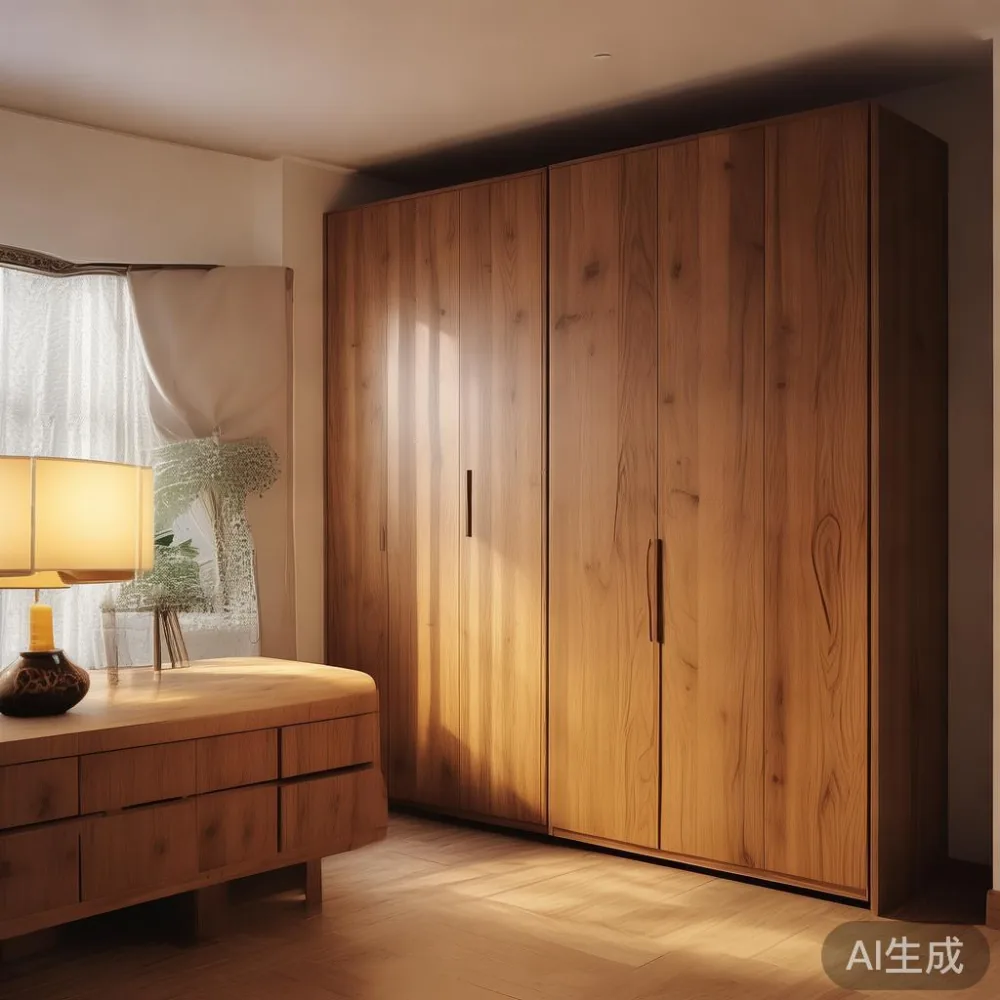
What exactly is a warm minimal interior — and why does it suit HDBs so well?
Warm minimal is a disciplined but human-scaled approach to interior design. You hold back on objects, but every object you keep has a tactile, natural material — solid oak, ash, walnut, brushed brass, raw linen, unglazed ceramic. The colour palette sits between off-white and caramel, with the occasional deep green or rust for grounding. In a 90 sqm HDB flat with a 3.2 m ceiling height and a typical 2.7 m corridor, this restraint reads as generous rather than sparse, because the eye is not fighting five competing finishes.
There is a reason this language keeps surfacing in Singapore design studios. Light luxury — whether you take your cues from French light luxury, or the Italian light luxury coastal style singapore interiors have absorbed from Milan and the Amalfi coast, or the cleaner post-modern light luxury seen in new launches around Punggol Digital District — all converge on the same point: reduced silhouettes, natural materials, and one or two quiet statement pieces. Solid wood furniture, especially in light oak or whitewashed ash, is the connective tissue across all three dialects.
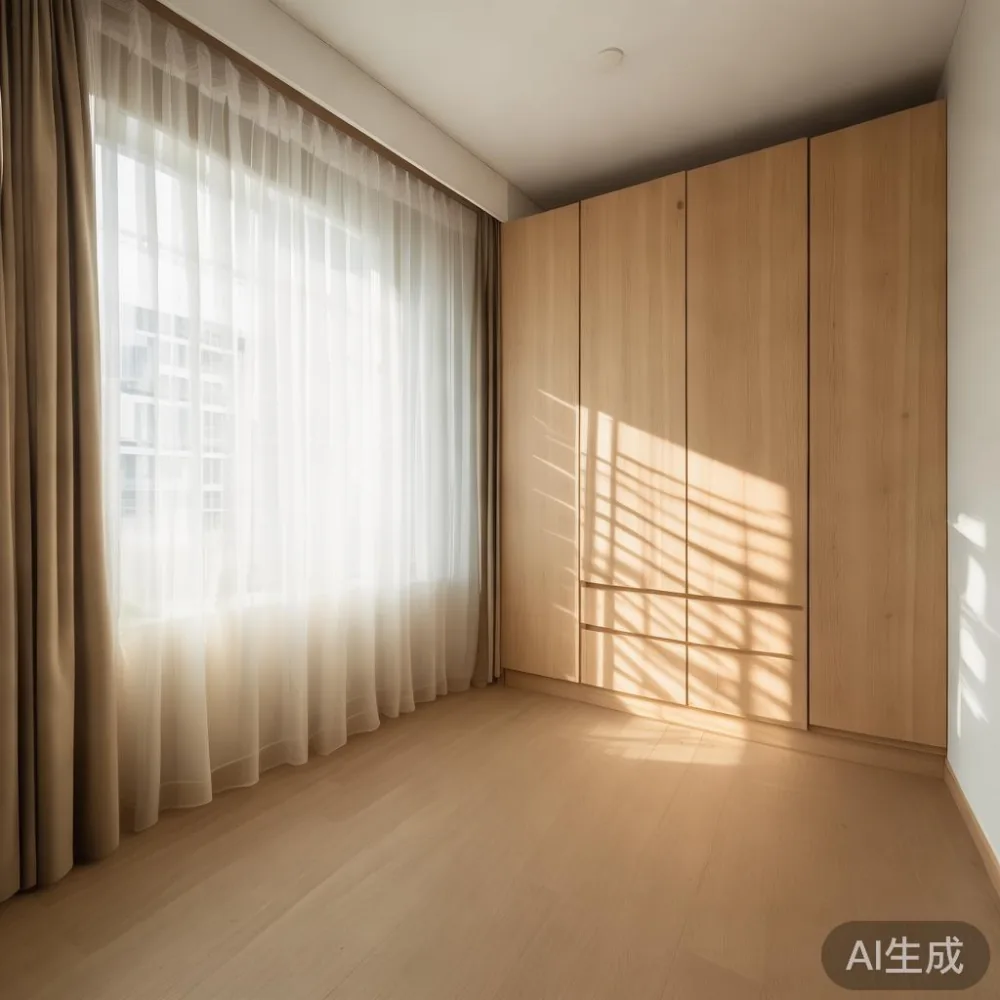
How do you plan a warm minimal living room around a 2.7 m HDB corridor and a 1.0 m lift?
Measure before you fall in love. A typical HDB goods lift internal cavity is about 1.1 m wide by 1.4 m deep with a door opening of 0.9 m. A standard 3-seater solid wood sofa with removable cushions usually arrives in two cartons, each roughly 0.95 m wide by 0.85 m tall and 45 kg. That fits. A queen-size bed frame in solid ash, however, packs a 2.1 m side rail that has to travel on its edge — so confirm the longest carton against your lift depth before paying a deposit.
In Priya's Tampines flat, the delivery crew measured the corridor turning radius at the lift lobby (about 2.4 m) and the HDB corridor width (1.35 m) before bringing anything in. Two flat-pack wardrobes in solid acacia, each 180 cm tall x 60 cm deep x 90 cm wide, came up the goods lift vertically with 8 cm to spare on the door frame. If your wardrobe is 240 cm tall, you will struggle in older blocks where the lift internal height is only 2.2 m. Always ask the supplier for the packed dimensions in writing, and add 5 cm clearance for styrofoam corners.
How do I choose a fabric sofa for a HDB living room?
Choose a compact 2- to 3-seater solid wood sofa under 200 cm wide with a removable, light-weave linen-blend fabric in a beige or oat tone, raised on 12–15 cm solid ash legs to keep the room visually light.
That sentence is the entire answer, honestly. Everything else is detail. In a 4-room HDB with a living room footprint of roughly 3.5 m by 3.0 m, a 200 cm sofa is your ceiling. Anything deeper than 95 cm will eat your walking lane and make the room feel 10% smaller than it already is. Go for a solid wood sofa frame — kiln-dried ash or rubberwood — over MDF or plywood if resale longevity matters to you. Singapore's average humidity sits between 70% and 85% for most of the year, and an MDF sofa will swell at the edges within two wet seasons if the air-conditioner dries unevenly.
Fabric choice matters as much as frame. A linen-cotton blend at 280 gsm breathes, ages into a soft patina, and handles our weather. Avoid top-grain leather in a non-air-conditioned service yard or in homes where the sofa sits under a west-facing window — afternoon sun will bleach and crack it within 18 months. If you want leather, choose a protected full-grain in a tan or cognac, condition it every 6 months, and budget SGD 2,400 to SGD 4,800 for a 3-seater from a Foshan maker shipping directly.
Seat height is the most overlooked number. Standard Singapore sofa seat height is 43–45 cm. If you are tall (above 175 cm), go to 46 cm so your knees sit at 90 degrees and you do not slide forward. Cushion fill: high-resilience foam wrapped in 10% goose down gives a softer first sit that firms up after 30 days — the right balance for a flat you use every evening.
How do you build a warm minimal bedroom around a 3.2 m wall and a 1.8 m window?
The bed frame is the anchor. A queen-size solid wood bed frame in whitewashed oak, 160 cm wide x 200 cm long, with a 110 cm headboard, leaves 60 cm of walking space on each side in a 3.2 m wall — the minimum for changing a bedsheet without bumping into a nightstand. A king (180 cm x 200 cm) needs at least 3.8 m of clear wall; most HDB master bedrooms are 3.2 to 3.5 m, so king usually means losing a side table or a wardrobe bay.
Pair the bed frame with two slim nightstands, 45 cm wide x 40 cm deep x 55 cm tall. Anything taller than 60 cm starts to dominate beside a low-profile bed and breaks the warm minimal silhouette. A single drawer is enough — phone, charger, lip balm, book. If you share the room, matching nightstands in the same wood species keep the room symmetric; if you live alone, two different nightstands in the same wood tone read more editorial and less hotel-room.
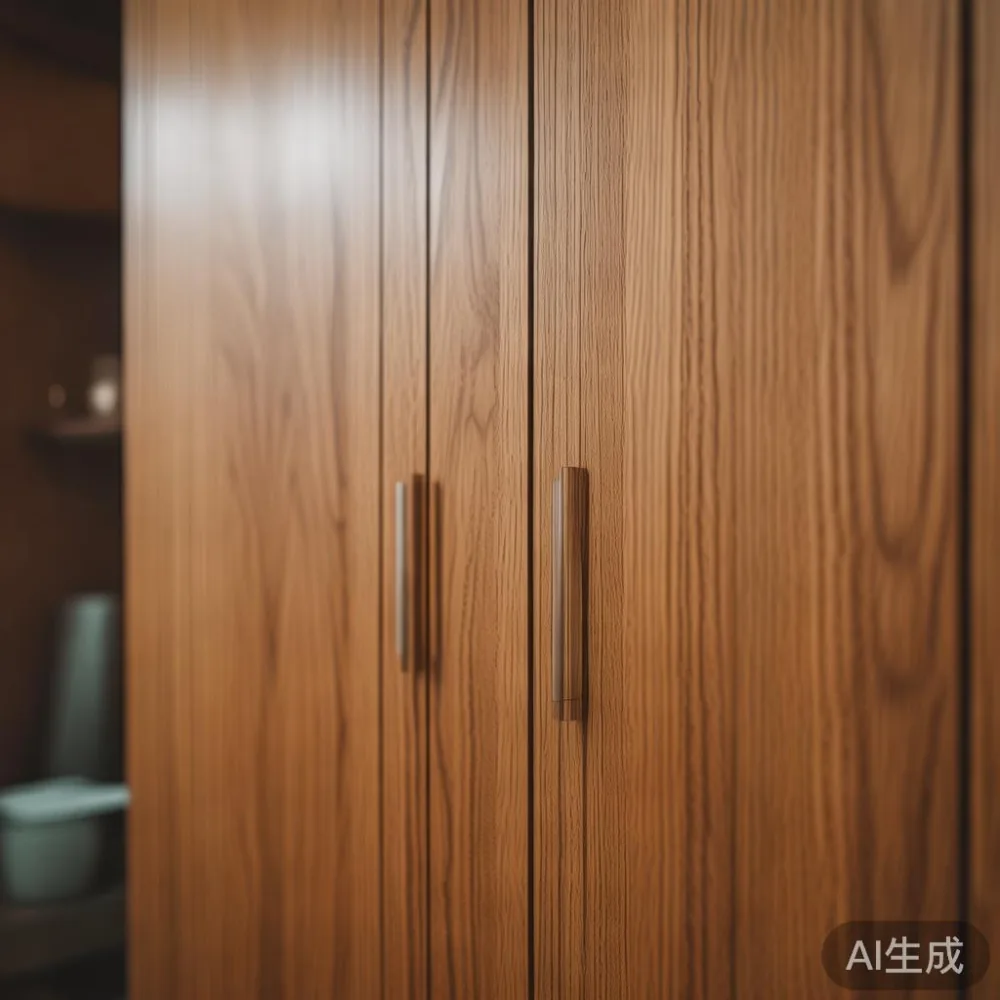
For storage, a 3-door sliding wardrobe in solid ash, 240 cm wide x 220 cm tall x 60 cm deep, swallows a couple's clothing for a 4-room flat. Choose a fluted or ribbed door front in light oak — the texture picks up the warm tone and hides the dust that settles in our equatorial climate. Push-to-open soft-close hardware avoids the visual clutter of handles and supports the minimal language. A wardrobe from a Foshan solid wood maker shipping flat-packed to Singapore typically lands at SGD 1,800 to SGD 3,200 for a 3-door, with delivery in 35 to 50 sea-freight days plus a local 7-day white-glove schedule.
What dining table shape and size fits a warm minimal open kitchen in a Punggol condo?
A 140 cm round solid wood dining table seats four comfortably and survives a tight 2.4 m bay window in most new Punggol condos; a 160 cm rectangular version fits six but needs 2.8 m of clear wall on at least one side.
Round tables are forgiving. No corners to bump into, no head-of-table hierarchy, and the eye reads them as softer than a rectangle. In a 12 sqm combined living-dining in a compact condo, a 140 cm round dining table in solid oak with a 4 cm thick top and a turned central pedestal gives you four chairs with 60 cm per person — the ergonomic minimum. Chairs in solid beech with woven paper cord or saddle-stitched leather slip easily under the lip when the table is not in use, and the round footprint keeps the room from feeling like a corridor.
If you entertain, a 160 cm to 180 cm rectangular table in solid ash or walnut, 80 cm wide, fits six with chairs and still allows 90 cm behind for someone to walk past without asking others to push in. Solid wood tables from a Foshan workshop typically weigh 45 to 70 kg unpacked, so confirm your floor can take it — a standard HDB slab handles 150 kg per sqm live load, so a 70 kg table on four legs is comfortable.
Finish matters in a tropical climate. A hardwax oil finish (Osmo or Rubio Monocoat) penetrates the wood, lets it breathe, and can be spot-repaired. Lacquer looks glossy in the showroom and milky after two years of HDB humidity. A satin hardwax oil on an oak dining table is the warm minimal default.
Which wood tones, fabrics, and metals hold the warm minimal look together?
Stick to three wood tones across the entire flat: a dominant light oak or ash for wardrobes, bed frame, and dining table; a secondary walnut or smoked oak for one accent piece such as a marble table coffee table or a console; and a third tone of whitewashed ash for smaller pieces like nightstands. More than three wood tones and the room starts to feel like a furniture showroom rather than a home.
Fabrics should all sit in the same warm-neutral family — oat, sand, ecru, stone, with one accent in olive, rust, or tobacco. Avoid high-contrast patterns. Curtains in a heavy Belgian linen at 280 cm drop, brushed brass curtain rods, and a single wool rug in 2 m x 2.8 m under the sofa will carry the colour story without you buying more furniture.
Metal accents should be brushed brass or antique bronze, not polished chrome or matte black. Warm minimal wants warmth at every scale — even the hinges on your wardrobe and the legs of your marble table should carry a soft metallic tone, not the cool industrial look that belongs to a different interior language. A solid wood oval coffee table in walnut with a single honed Carrara marble inlay or a 4 cm thick travertine top — at SGD 1,200 to SGD 2,400 — is a warm minimal signature piece that ages rather than dates.
What should a complete warm minimal furniture set cost in SGD, delivered to a Singapore home?
A realistic budget for a 4-room HDB or a small Punggol condo, furnished warm minimal in solid wood, sits between SGD 8,500 and SGD 18,500 landed, including GST and white-glove delivery.
Here is how the number usually breaks down, based on what I have seen ordered by readers and friends over the last 12 months:
- Solid wood sofa, 3-seater in linen-blend: SGD 2,400 – 4,800
- Queen bed frame in solid oak or ash: SGD 1,400 – 2,800
- Two nightstands in matching ash: SGD 600 – 1,000 (pair)
- 3-door sliding wardrobe in solid ash: SGD 1,800 – 3,200
- Round or rectangular solid wood dining table: SGD 1,200 – 2,800
- Four to six dining chairs in solid beech: SGD 800 – 1,800 (set of 4–6)
- Marble table or solid wood coffee table: SGD 1,200 – 2,400
- Console, side tables, and accent pieces: SGD 600 – 1,800
GST at 9% on imported furniture, plus sea freight of SGD 280 to SGD 520 per cubic metre, plus a Singapore white-glove delivery fee of SGD 120 to SGD 280 per delivery slot, lands the goods in your flat within 45 to 65 days of order. Many direct-from-Foshan makers — including MIDHILL, which has shipped into Singapore for over a decade — absorb the freight over a USD 350 order threshold, which at current rates is roughly SGD 480.
What you are paying for, line by line, is solid wood construction and joinery. A solid wood sofa with mortise-and-tenon joinery and kiln-dried ash will outlast an MDF-frame sofa three-to-one. A wardrobe in solid acacia with dovetail drawers and soft-close runners will still function 60 years from now. That is not a soft story either. It is the resale logic of your logbook.
What about warranty, returns, and after-sales refinishing — does it matter for warm minimal pieces?
Yes, and more than most buyers expect. Solid wood moves with humidity. After 18 to 24 months in a Singapore flat, a wardrobe door may need a hinge adjustment, a dining table may show a hairline crack along a join, and a sofa frame may creak once. A 10-year structural warranty covers the things that should not break; lifetime refinishing covers the things that wear by design.
If your supplier offers lifetime wood refinishing, your dining table can be sanded and re-oiled in 5 to 7 years for a typical SGD 280 to SGD 480 on-site service. If they offer a 14-day return on flat-pack goods, you can refuse a damaged carton without penalty. MIDHILL, for example, publishes these terms in plain English on its Singapore-facing pages, which is rarer than it should be. Read the warranty PDF before you wire the deposit.
One last number worth memorising: the average Singapore family replaces a sofa every 7 to 9 years and a bed frame every 12 to 15 years. A wardrobe, if bought well, is a 25-year piece. Spend accordingly. A SGD 2,400 solid wood sofa at 8 years costs 330,400 a year. A SGD 900 flat-pack MDF sofa at 6 years costs 3150 a year and ends up in a landfill. The arithmetic favours solid wood almost every time, and the warm minimal aesthetic is the easiest language in which that arithmetic shows.