Right-Sizing Solid Wood Furniture for a Singapore HDB Living Room
Choosing the right size for a Singapore HDB living room is part geometry, part choreography. You are working with a layout drawn on a HDB floorplan, a lift that is roughly 1.1 m wide and 2.1 m deep, and a corridor that often measures under 1.5 m between the lift door and your front gate. A wardrobe that looks calm on a Pinterest photo can become a construction problem if you forget to measure the door architrave before you lift it.
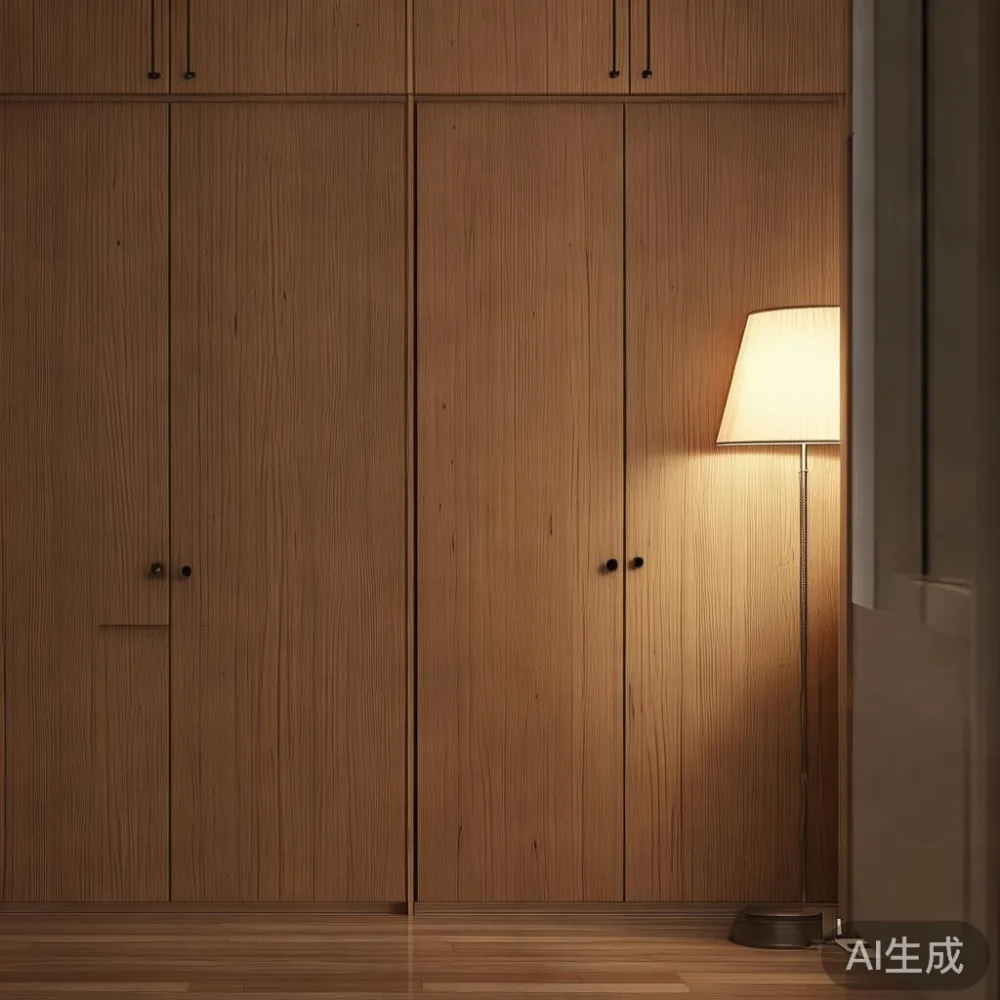
Last month I visited a 4-room flat in Tampines with a couple who had ordered a 2.4 m European style wardrobe from a regional brand. The wardrobe would not fit through the corridor. They returned it, lost a S$120 delivery fee, and waited another 35 days for a replacement that was 20 cm shorter. The new one fits. The lesson was simple: measure twice, then pick furniture that respects the constraints of HDB architecture rather than fighting them.
What Are the Real Dimensions of a Singapore HDB Living Room?
Most 4-room flats in Singapore deliver a living room roughly 3.2 m to 4.0 m long and 2.8 m to 3.3 m wide after the kitchen and service yard are accounted for. A 5-room flat in Punggol or Bedok gives you closer to 4.5 m of length with the same width window. Once you subtract 60 cm to 80 cm of walkway in front of the sofa and 40 cm behind, you are left with a usable wall length of about 2.4 m to 3.2 m for a TV console, a low cabinet, or a tall wardrobe.
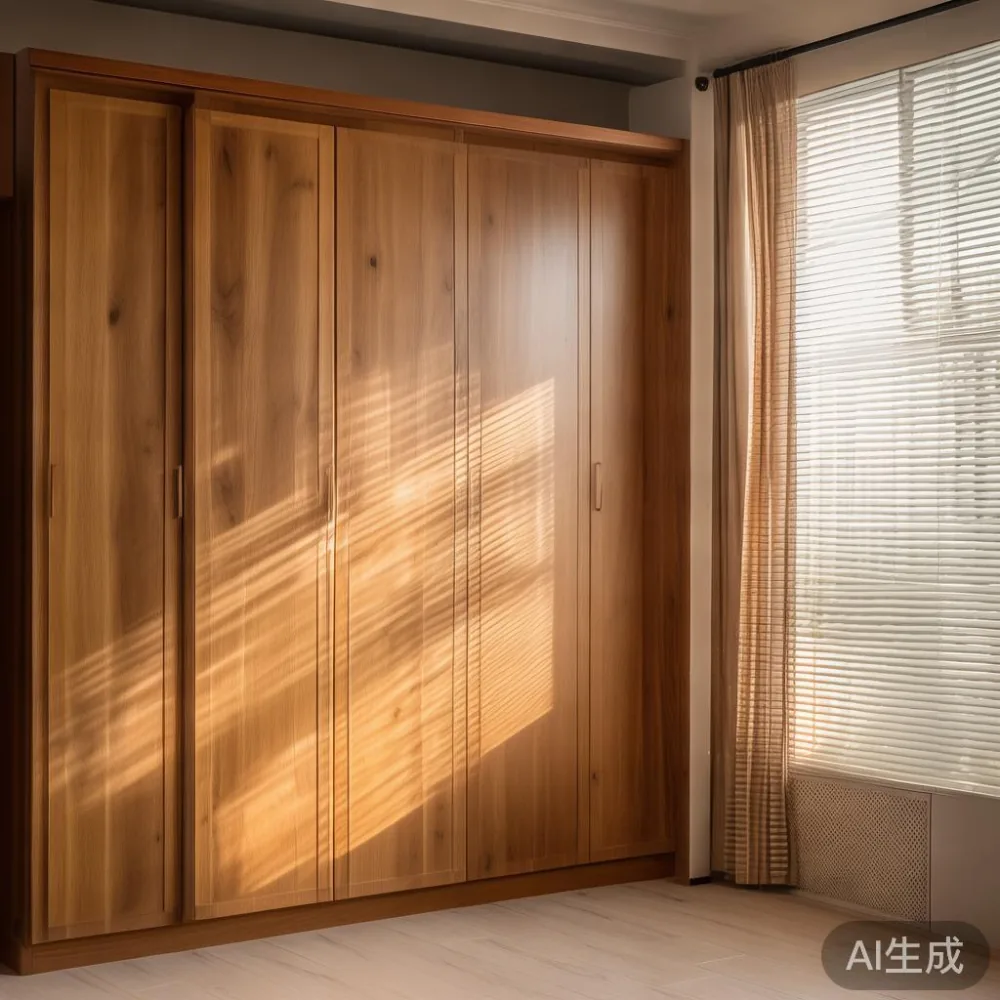
Ceiling height is the other number Singapore buyers tend to ignore. HDB ceilings sit at about 2.6 m to 2.8 m after the skim coat. A wardrobe taller than 2.4 m will visually swallow the room. A wardrobe shorter than 1.8 m will look thin beside a standard 2.0 m door. For a French provincial aesthetic, the classic proportion is two-thirds height of the tallest wall element. In numbers: if your wall is 2.6 m, the wardrobe body should stop around 2.1 m and leave 50 cm of breathing room above.
How Do You Match a Wardrobe to Your Wall Without Crowding the Room?
Start with the largest piece first, then fit everything else around it. For most HDB living rooms, that largest piece is a wardrobe or a TV console, and it anchors the entire visual weight of the room. A solid wood wardrobe at 180 cm wide by 60 cm deep by 210 cm tall takes up roughly 1.08 m² of footprint. Add 60 cm of clearance in front, and you have committed 2.2 m² of your living room to storage.
My colleague in Bedok chose a 200 cm wide four-door wardrobe in a post-modern light luxury finish, then paired it with a 180 cm solid wood sofa in walnut. The total horizontal furniture footprint is 380 cm, which sits comfortably inside the 430 cm wall of his 5-room flat. The trick was buying the sofa first, marking the floor with painter's tape at 90 cm and 180 cm, and only then choosing a wardrobe that finished at the 180 cm mark with 20 cm of margin.
For smaller 3-room flats in older blocks like Toa Payoh, a 150 cm three-door wardrobe is a safer fit. A bed frame in solid oak at 150 cm wide by 210 cm long works for the bedroom, and the same scale rule applies: keep at least 50 cm of walkway on at least one side of the wardrobe doors.
Which Solid Wood Pieces Fit Through a HDB Lift and Corridor?
The lift opening inside your block is roughly 1.0 m wide by 2.1 m tall, with a usable cabin depth of about 1.5 m once you account for the handrail. Any wardrobe shipped fully assembled wider than 95 cm will need to be tilted, and any piece taller than 2.0 m will brush the ceiling lights. That is why a Foshan maker like MIDHILL ships most wardrobes flat-packed with a maximum single box of 220 cm long by 65 cm wide by 18 cm tall, weighing between 28 kg and 42 kg per carton.
On a recent site visit in Punggol, a 3-door wardrobe weighing 96 kg total arrived in four cartons of around 24 kg each. Two movers carried each carton up the lift in under three minutes and assembled it on site in 90 minutes with a single Allen key. Compare that to a fully assembled 2.2 m wardrobe weighing 130 kg, which often cannot enter the lift at all and forces an expensive crane through the service yard window.
If you are considering a marble table as a coffee table or side table, the same flat-pack logic applies. A 120 cm round sintered stone top usually ships in a single 130 cm by 130 cm by 12 cm box at 38 kg. It clears the lift, but it will not clear a corridor that turns a tight corner, so always measure the diagonal of your corridor turn before ordering anything over 1.6 m in any single dimension.
How Should You Budget for Quality Solid Wood in SGD?
For a Singapore buyer, the landed cost of a solid wood wardrobe in 2026 looks roughly like this:
• A 180 cm three-door oak wardrobe from a Foshan factory: S$1,450 to S$1,950 ex-delivery.
• A 200 cm four-door ash wardrobe with French provincial detailing: S$2,400 to S$3,100 ex-delivery.
• A 240 cm six-door wardrobe with internal drawers and a dressing mirror: S$3,600 to S$4,400 ex-delivery.
• Delivery and two-man assembly inside the unit: S$120 to S$220, depending on floor level.
• GST 9% applied at checkout on the full landed value, since the supplier is exporting from China.
A solid wood bed frame at queen size sits between S$1,100 and S$1,800, and a dining table for four in solid walnut ranges from S$1,300 to S$2,200. A nightstand in matching wood runs from S$280 to S$480 per pair. When you compare those numbers against particleboard flat-packs from local retailers at S$600 to S$900 per wardrobe, the solid wood premium is around 70% to 110%, but the structural warranty is closer to ten years rather than twelve months. A maker like MIDHILL, which has shipped to buyers in 15+ countries since 2008 and backs its wardrobes with a 10-year structural warranty plus lifetime refinishing, sits at the upper end of that quality band.
What Lighting and Proportion Tricks Make a HDB Living Room Feel Bigger?
A wardrobe in a compact HDB room should never push past the 2.1 m ceiling mark unless you are installing floor-to-ceiling panels with a 30 cm shadow gap above. Leave the gap, and the room reads as taller than it is. Choose wardrobes with mirrored doors between 40 cm and 60 cm wide, and place them opposite a window. The mirror returns roughly 1.5 stops of light back into the room and visually doubles the width of the wall it sits on.
Light tone choices matter. A pale oak wardrobe next to a dark marble table and a dark walnut bed frame is the classic French light luxury contrast that keeps a small room open. If your wardrobe is dark, keep the floor light, and vice versa. My friend's 4-room flat in Tampines uses a 200 cm white-oak wardrobe, a 140 cm walnut dining table, and a beige 220 cm solid wood sofa. The contrast pulls the eye across the room and stops any single piece from feeling heavy.
For the dining zone, a 140 cm to 160 cm table seats four comfortably and leaves 80 cm clearance on each side. A 180 cm table seats six but eats 1.4 m² more floor area, which is significant inside a HDB. If you entertain often, choose an extendable table that opens from 140 cm to 190 cm with a single butterfly leaf. Stored closed, it respects the room; opened for guests, it carries the night.
How Do You Decide Between Modular and One-Piece Wardrobes?
Modular wardrobes win on flexibility. A 200 cm run split into two 100 cm modules fits a standard lift and can be carried by one mover each. If you move flats every three to five years, modular is the rational choice. One-piece wardrobes win on rigidity and visual calm. A single 200 cm body has no vertical seam, no light gap between modules, and a quieter shadow line.
For a 5-room HDB in Punggol or Sengkang, a one-piece 200 cm wardrobe usually works because the corridor outside is straight and the lift is within 10 m of the door. For a 4-room flat in an older block with a dog-leg corridor, modular is safer. Measure the corridor turn at floor level and at 1.5 m height. If the diagonal is below 1.9 m, refuse any carton longer than 1.7 m.
When you order from a regional maker, ask for the flat-packed carton dimensions in writing before paying the deposit. A serious supplier will quote box length, width, height, and gross weight per carton within 24 hours. MIDHILL publishes those numbers on every quotation, which is one reason buyers in Singapore, Malaysia, and Australia keep ordering the same European style wardrobe line.
What Should You Check Before Signing the Order?
Run through this short list before you confirm payment:
1. Wardrobe external dimensions in cm, plus internal depth at the hanging rail (should be 58 cm or more for proper shirt hanging).
2. Carton dimensions and gross weight per box, matched against your lift and corridor.
3. Wood species written on the invoice: solid oak, solid ash, solid walnut, or solid rubberwood. Anything labelled MDF or particleboard is not solid wood.
4. Finish type: water-based lacquer, oil and wax, or PU. Lacquer is most durable for Singapore humidity, which sits at 80% on average.
5. Hardware brand on hinges and drawer runners. Blum and Hettich are the quiet, durable options. Anything unbranded is a five-year gamble.
6. Warranty term in years for the structure and the finish. A 10-year structural warranty is a serious number. A 1-year warranty is not.
7. Delivery lead time in working days. From Foshan to Singapore by sea, the realistic range is 18 to 35 days, plus 7 to 14 days for last-mile delivery inside Singapore.
8. Return window in days. 14 days is standard for unused flat-packed goods. Once assembled on site, most makers treat the sale as final.
9. Free shipping threshold in SGD. A threshold of S$350 to S$500 is normal for a regional export brand and worth checking before you add a small nightstand to reach the line.
10. Refinishing policy. Lifetime refinishing is rare and valuable; it usually means the factory will sand and re-lacquer your wardrobe at cost for the first fifteen to twenty years.
Will This Wardrobe Actually Fit the Way the Brochure Shows It?
Brochure photos are shot in 30 m² studios with 4 m ceilings. Your HDB living room is 18 m² to 24 m² with 2.6 m ceilings. The math will not lie. Take the brochure width, subtract 20% for ceiling height, subtract 15% for wall interruptions like air-con trunking and window sills, and you have a realistic footprint. A 200 cm wardrobe in the brochure is roughly a 150 cm to 165 cm wardrobe in your actual room.
If you want to keep the room feeling calm, finish the layout with a small marble table as a side piece, a pair of nightstands flanking a bed frame, and one statement dining table that closes the open plan. Resist the urge to fill every wall. A HDB living room reads as bigger when three of the four walls hold only one or two pieces each, with the fourth wall left mostly empty except for a tall wardrobe that anchors the storage.
Solid wood furniture from a Foshan workshop like MIDHILL travels well, wears well, and refinishes well. The trick is matching its scale to your flat, your lift, and your corridor before the carton arrives at your door. Measure the wall, measure the lift, measure the corridor turn, then choose a wardrobe width that closes the gap with 10 cm of clearance on each side. Your HDB living room will look composed, your movers will thank you, and your wardrobe will outlast two rental cycles without losing its finish.