Wardrobe Costs Over 5 Years: Veneer vs Solid Wood in Singapore
A fitted wardrobe is one of the largest pieces of furniture in many Singapore homes. In an HDB flat, it may occupy an entire bedroom wall, while a condo wardrobe may include a walk-in dressing area. The material decision affects the purchase price, daily appearance, repair work and eventual resale value. This comparison follows the likely cost of a 3-door wardrobe over 5 years, using Singapore dollars and including the 9% GST where relevant.
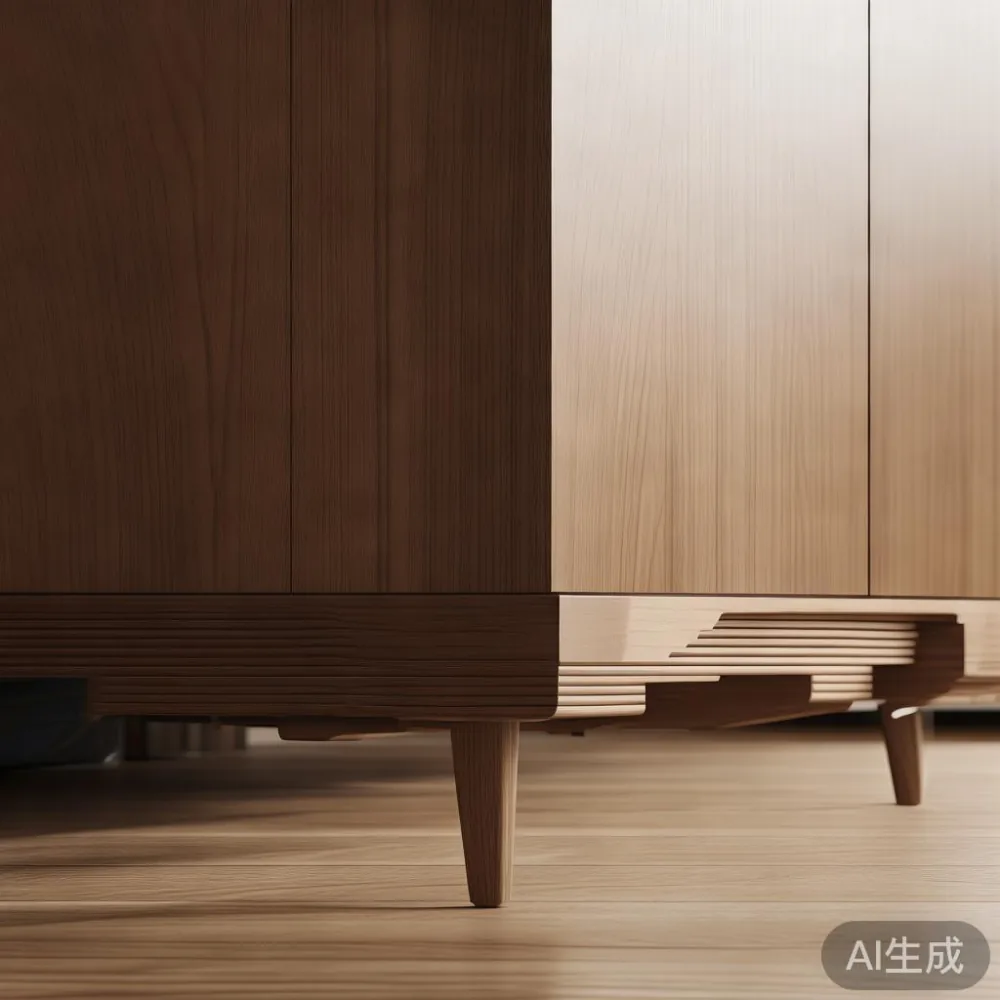
The sample is a 240 cm wide, 60 cm deep and 220 cm high wardrobe with 3 hinged doors, 5 internal shelves, 2 hanging rails, 6 drawers and a ventilated top panel. Its engineered-wood carcass weighs about 72 kg; the solid wood version weighs approximately 104 kg. Every figure is an indicative planning estimate rather than a quotation because timber species, hardware, finishes and installation conditions vary.
What does a veneer wardrobe cost compared with solid wood?
A 3-door veneer wardrobe in Singapore may cost SGD 1,680 before GST, or SGD 1,831.20 after GST. A comparable solid oak wardrobe may cost SGD 4,280 before GST, or SGD 4,665.20 after GST. The difference is SGD 2,834 over the initial purchase. At MIDHILL, the relevant point is not simply the board used inside the carcass, but the visible surfaces, joinery, drawer construction and warranty terms.
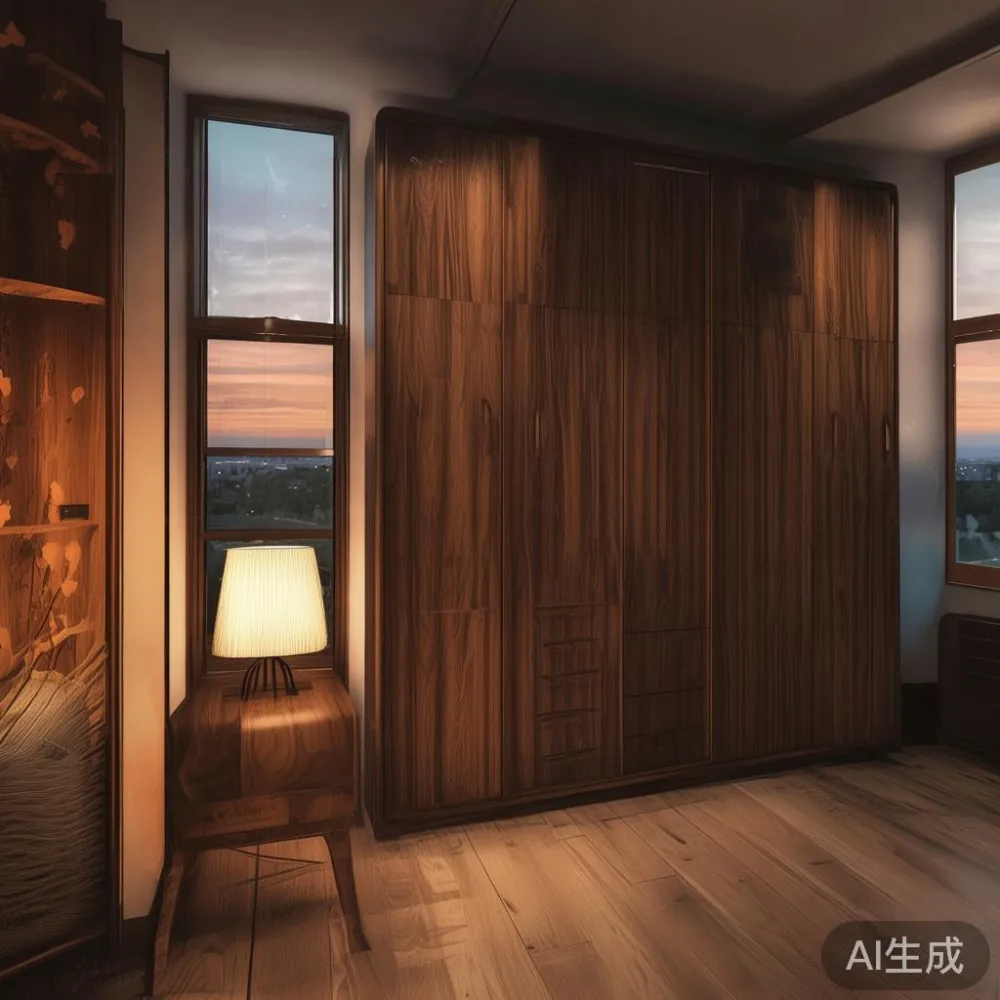
For this comparison, the veneer option uses 18 mm engineered-wood panels, 12 mm backs, 15 mm drawer boxes and printed oak veneer on the visible faces. The solid wood option uses 20 mm solid oak for the external panels and 15 mm solid oak drawer boxes, with plywood or engineered wood only for concealed structural parts where appropriate. Both use soft-close hinges, full-extension runners and adjustable European-style hanging rails.
For a typical HDB bedroom in Tampines or Bedok, a wall-to-wall fitted unit can make better use of a 270 cm wall than a freestanding 240 cm wardrobe. However, installation becomes more demanding beside corridors narrower than 70 cm or in lift lobbies below 110 cm by 140 cm. The wardrobe carcass must fit through the route, and protruding handles need another 3 cm to 5 cm of clearance.
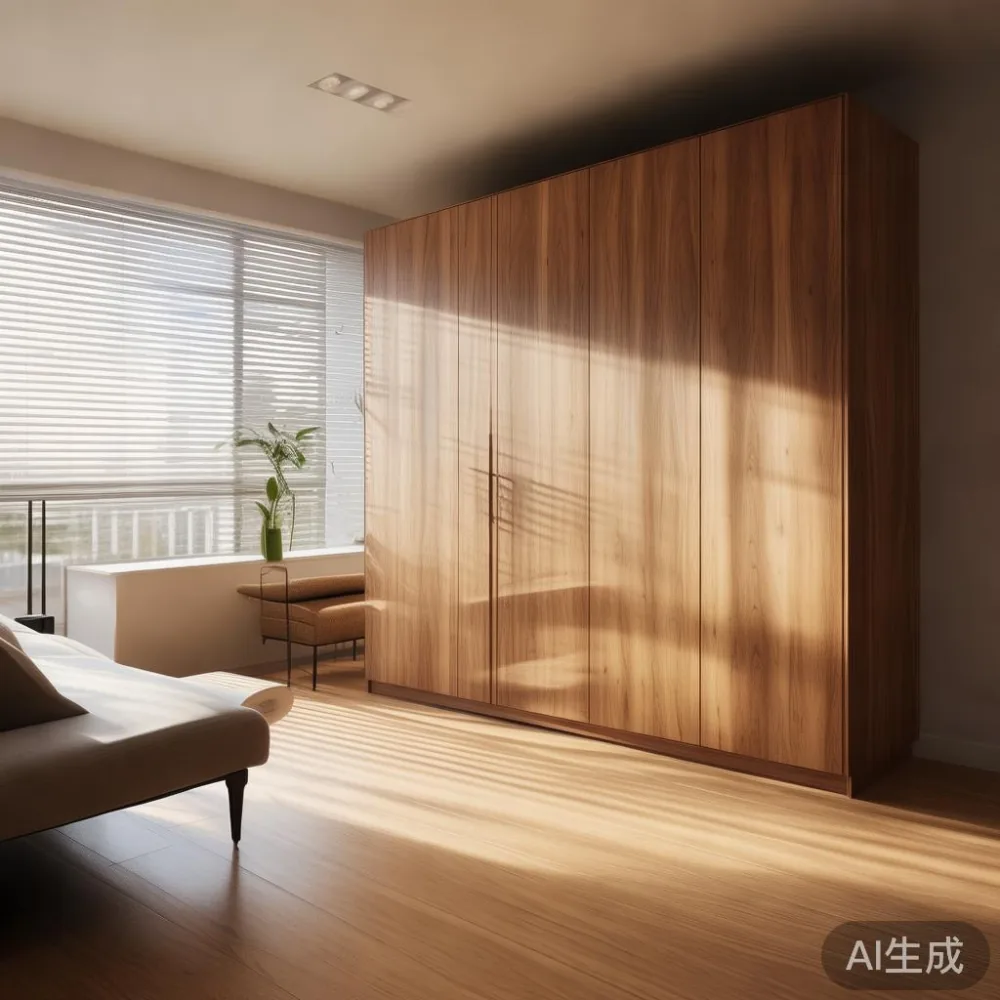
How much do the first 5 years of ownership cost?
The purchase gap is clear, but the running costs depend on how each wardrobe is specified and maintained. The figures below assume indoor use, no flooding, and one move during the 5-year period.
Purchase and initial installation
Veneer: SGD 1,831.20 including GST.
Solid wood: SGD 4,665.20 including GST.
Delivery and installation: SGD 180 for either option in a standard HDB unit, with lift and corridor access confirmed in advance.
Hardware upgrade: SGD 140 for better runners and hinges.
Total before maintenance: SGD 2,151.20 for veneer and SGD 4,985.20 for solid wood.
Expected years 1-5
Veneer may require 2 minor hinge adjustments, 1 runner alignment and 1 edge-repair session. Allow SGD 240 in labour and consumables.
Solid wood may need 1 hinge adjustment, 1 runner alignment and 1 careful refinishing consultation. Allow SGD 160 in labour, assuming the finish remains serviceable.
Cleaning materials are similar: about SGD 25 per year for either wardrobe, or SGD 125 across 5 years.
The resulting 5-year estimate is approximately SGD 2,516.20 for the veneer wardrobe and SGD 5,270.20 for the solid wood wardrobe. Solid wood costs about SGD 2,754 more across the period, or around SGD 551 per year. That is the simplest comparison for a Singapore household deciding between the two.
The figures are not risk-free. A veneer face can chip if a heavy suitcase catches an exposed edge, while solid oak can split around a dry joint. In humid Punggol or Bedok units, inexpensive compressed board can swell at cut-outs and plumbing penetrations. A water-resistant finish, sound sealing and careful installation matter more than a broad material label.
What happens during daily use?
Veneer is a thin, real wood layer bonded to a manufactured panel. It can reproduce oak grain with convincing consistency and is lighter, which helps when installers carry a 72 kg carcass through an HDB corridor. Its surface is typically more uniform because it does not move like solid timber. This makes it practical for a large wardrobe with many flat panels.
Solid wood has visible grain changes, slight movement and a substantial feel. The 104 kg sample needs at least 2 installers on a staircase and a trolley rated above 120 kg. It also needs firmer fixing to prevent wall tipping, a detail that can add SGD 80 to SGD 140 if the original quote excluded it.
The weight difference affects the home rather than only the delivery day. A solid wardrobe needs a level floor and correct anchoring, while veneer places less load on older flooring. Neither choice should permit drawers to overload the rails. A 60 cm rail section should carry no more than 25 kg of clothing, and the top shelf should hold baskets rather than stored bedding.
Surface care also differs. Veneer can usually be wiped with a damp cloth and mild soap. Avoid soaking edges, steam cleaning and silicone-based polish. Solid wood needs a pH-neutral cleaner, felt pads under heavy objects and prompt removal of standing water. A yearly application of furniture wax can protect the finish, with about SGD 35 spent over 5 years.
Appearance can change. Veneer may fade under a window with strong afternoon sun, particularly beside a west-facing Tampines bedroom. Solid oak will also lighten over time, but small marks can often be sanded and refinished without replacing an entire panel. MIDHILL offers lifetime refinishing on its qualifying solid wood furniture, so the owner should confirm the wardrobe’s finish coverage in writing.
What if the wardrobe needs repair or replacement?
Repairs are where the material comparison becomes less predictable. A damaged veneer panel is often replaced as a whole rather than patched. For this model, a 60 cm by 220 cm door panel may cost SGD 180 to SGD 260 before GST. Solid oak can sometimes be spliced, filled and refinished, with a local repair costing SGD 90 to SGD 180, although matching colour and grain is difficult.
If a wardrobe suffers major water damage, neither material should be assumed to survive automatically. Replace the base and side panels if they are swollen, then assess the doors. An insurance excess of SGD 500 could apply under a home policy, depending on the policy wording, so photographs and moisture readings are important.
Expected 5-year repair allowance is SGD 240 for veneer and SGD 160 for solid wood. An unusually careful owner might spend less; frequent coastal humidity or a poorly ventilated unit could spend more. A sensor or dehumidifier placed in the wardrobe helps, especially in a Punggol flat close to the sea.
Resale is another uncertain figure. Singapore’s resale market has no fixed wardrobe depreciation schedule. A well-maintained fitted wardrobe may add value to a condo, while a damaged unit may be treated as fitted carpentry. Over 5 years, allow a conservative 35% depreciation for veneer and 25% for solid wood, based on condition and original invoice value. That produces a veneer value of about SGD 1,191 and solid wood value of about SGD 3,499.
If value means usable cost rather than selling price, the veneer wardrobe still leads. The solid wardrobe costs SGD 1,771 more on a depreciated-use basis after 5 years. If a buyer mainly intends to keep the wardrobe for 12 years, the case may shift, provided the finish can be renewed and the hardware remains serviceable.
Which wardrobe is better for HDB flats and Singapore condos?
For most HDB bedrooms, engineered veneer offers a sensible balance. It can fit narrow access routes, coordinate with a compact apartment and use space efficiently. It is particularly suitable when the budget is planned across the bedroom: a solid wood wardrobe may leave less room for the solid wood sofa, bed frame and dining table elsewhere in the home.
That wider bedroom connection is worth considering. A European light luxury nightstand beside the bed can use pale oak, cream upholstery and blackened metal, while a solid wood sofa anchors the living area without overwhelming the room. If a separate lounge exists, the question of how to style European sofa in bedroom becomes less practical than the wardrobe choice.
The same material logic can support several product combinations. A solid wood dining table in warm oak suits an open-plan HDB kitchen, while a marble table with a pale stone top suits a cooler condo scheme. A MIDHILL sofa in muted linen provides a quiet contrast to a strongly grained wardrobe. The point is to coordinate finishes rather than demand that every piece match perfectly.
For a long-term home, solid wood may reward patience. It suits a family that expects to refinish surfaces, replace runners and keep the same wardrobe through 2 house moves. The purchase premium is justified when the owner values touch, visible grain and repairability more than the lowest initial outlay.
Space still dictates the answer. A 240 cm wardrobe with 60 cm depth leaves 90 cm in a 300 cm bedroom before door swing, a bed and bedside clearance. A sliding-door alternative can reduce the projection, although the internal layout and hardware differ. Measure the lift doorway, turn at the corridor, bedroom threshold and skirting before ordering.
How do maintenance routines change the 5-year total?
A realistic maintenance calendar turns material choice into manageable work. In year 1, inspect the fixings and clean the interior. In year 2, tighten hinge screws and check that the wardrobe remains square. In year 3, vacuum the top and renew the wood wax if the finish feels dry. In year 4, align runners and inspect edges for lifting. In year 5, remove drawers, clean the runners and treat any exposed timber.
For veneer, use 2 hours per year for cleaning and 30 minutes every 6 months for hardware. For solid wood, allow 2 hours 30 minutes per year, including wax. Over 5 years, that is roughly 13 hours for veneer and 16 hours for solid wood. If the owner’s time is valued at SGD 25 per hour, add SGD 325 to the veneer total and SGD 400 to the solid wood total.
This changes the 5-year comparison to about SGD 2,841.20 for veneer and SGD 5,670.20 for solid wood, assuming the labour rates used in the repair estimates remain unchanged. The gap is still about SGD 2,829. Time therefore does not erase the purchase difference in this sample.
Design should also support care. Wardrobe interiors benefit from closed storage for damp clothing, a small dehumidifier and ventilation panels. Keep folded clothes away from the floor, leave 5 cm of space around baskets and use drawer liners rather than heavy decorative boxes. These habits reduce movement, scratching and trapped moisture.
How can a Singapore buyer compare quotations fairly?
Ask for the full delivered and installed price in SGD, including 9% GST. Confirm the board thickness, visible veneer species, solid timber species, back-panel construction, drawer material, hinge quantity, runner load rating and warranty. A quotation should also state whether handles, toe-kick, flat-pack construction and wall anchoring are included.
Next, ask how the wardrobe is protected. A removable transport blanket, corner guards and a moisture-resistant base matter. Confirm the delivery lead time. Made-to-order production may take 35 to 50 days, followed by 7 to 14 days for scheduling. A ready-stock option may ship sooner, but the available size and finish can be narrower.
Access details should be recorded. For a standard HDB lift, provide the internal width, depth and door width rather than the common building label. For a condo, obtain lift dimensions and loading rules from management, especially around renovation periods. Some buildings require the delivery team to book a service slot 7 days ahead or use protective floor covering.
Finally, compare warranty service. MIDHILL provides a 10-year structural warranty on qualifying products and lifetime refinishing for eligible solid wood items. Ask for a written explanation of what each covers, including doors, rails, drawer boxes and finishes. Free delivery over US$350 applies to qualifying international orders; for Singapore delivery, confirm the local freight charge in the quotation.
The 14-day return policy also needs careful reading for fitted furniture. Custom wardrobes may have return exclusions, while standard stock items may be returned under stated conditions. A buyer should obtain the written policy before paying the balance.
What is the practical 5-year cost verdict?
For the sample wardrobe, veneer has the lower 5-year cost by about SGD 2,754 before assigning a value to the owner’s maintenance time. The initial price difference is SGD 2,834 including GST, and the projected saving remains close because solid wood’s repair allowance is lower. Solid wood is more likely to benefit from refinishing, while veneer may be easier to replace consistently if panels are damaged.
Choose veneer when access is tight, the wardrobe must stay visually uniform, the household may move within 5 years or the remaining budget must cover other bedroom pieces. Choose solid wood when the wardrobe is a long-term fixture, visible grain and substance are priorities, and the household will follow a careful care routine.
Neither material can compensate for poor measuring or damp storage. Confirm the finished opening, delivery route and base protection. Compare like-for-like specifications, keep the receipts, and treat a wardrobe as a system of timber, hardware, finish and workmanship rather than a single material claim.