Caring for a Lacquered Wardrobe in Singapore’s Tropical Climate
A lacquered wardrobe can look crisp and expensive in a Singapore home, yet Singapore’s heat, humidity, salt air, and frequent indoor air-conditioning create a demanding care environment. Lacquer is not impervious: it can scratch, bloom, haze, soften at a contact point, or develop fine cracks if moisture and heat are left unchecked. The right approach is gentle, regular, and measured. The same discipline used when caring for a solid wood bed frame or dining table applies here: control moisture, avoid harsh friction, and give the finish time to settle.
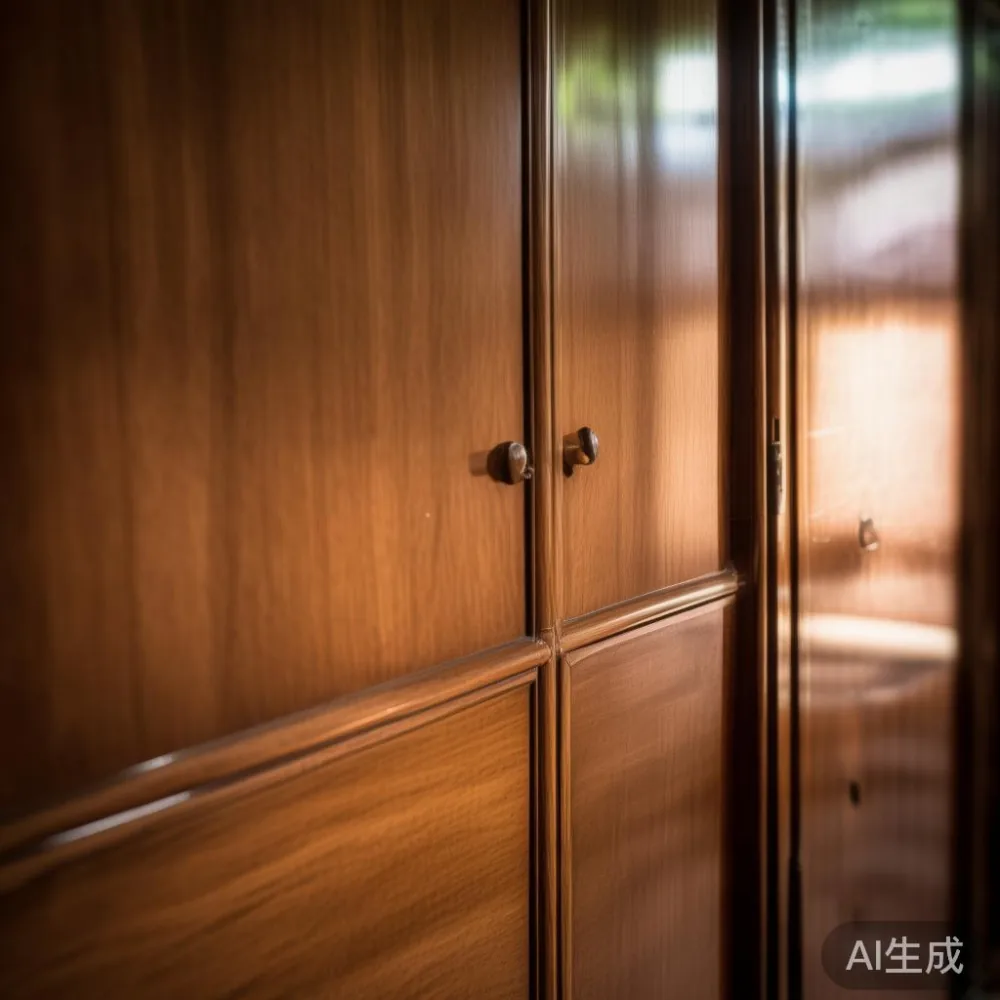
MIDHILL makes lacquered storage for clients in Singapore and across 15-plus export markets. The wardrobe’s solid wood construction can provide reassuring weight, while the lacquered surface needs an owner’s routine. In an HDB flat, a 2-door wardrobe may occupy 120–180 cm of wall space and weigh 70–140 kg before contents are added. In a Tampines or Bedok unit, installation planning should account for corridor width, lift dimensions, turning clearances, and the route from the loading lobby.
Light luxury works best here through restraint, not through constant polishing. French light luxury might be expressed with pale, reflective finishes, while American light luxury favours clean joinery and practical detailing. Post-modern light luxury can use a contrast between a simple carcass and a more reflective door face. None of those styles justifies an aggressive cleaning ritual. A disciplined 15-minute routine protects the finish and keeps the wardrobe visually calm.
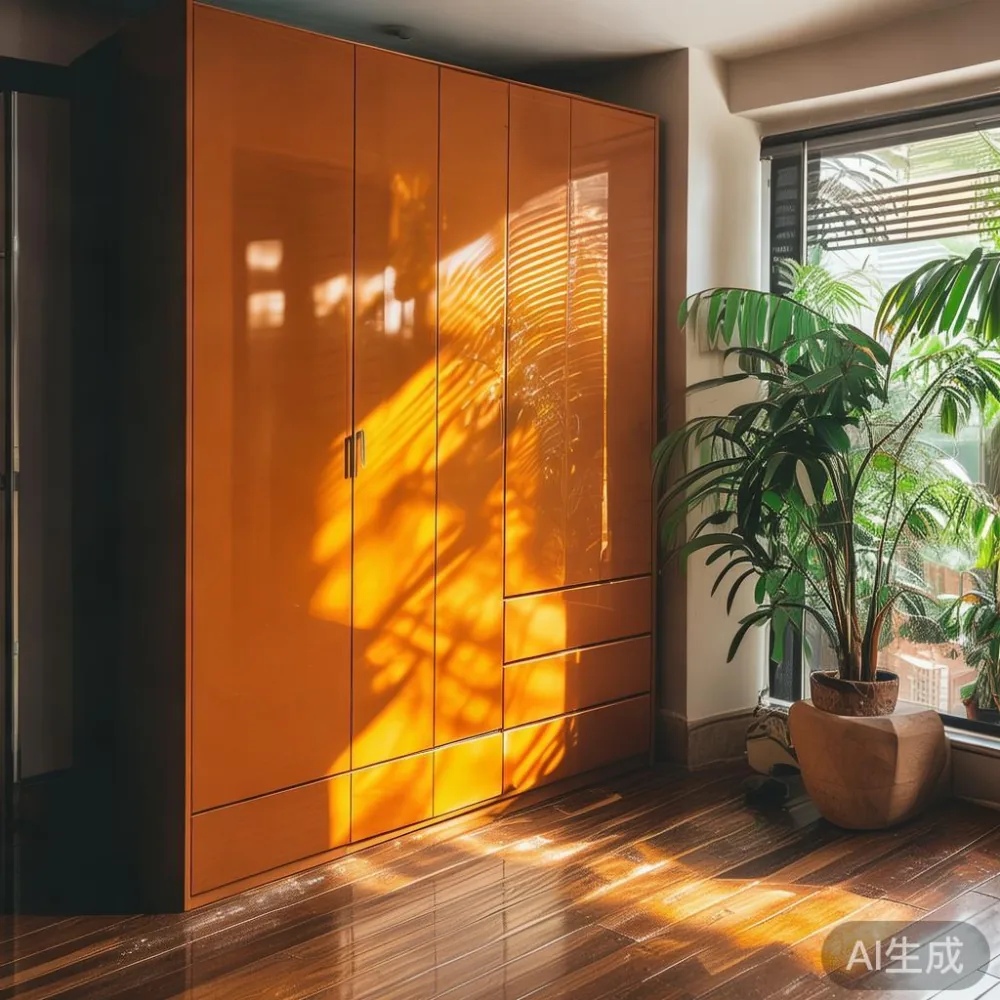
How should I care for a lacquered wardrobe in Singapore humidity?
Start by separating two risks: airborne humidity and direct moisture. Singapore’s relative humidity commonly ranges from about 65% to 90%, with daily readings varying by building, floor, and weather. Direct water marks, steam, wet towels, and food splashes can be more damaging than stable humidity. Keep the wardrobe at least 20 cm away from a bathroom doorway, 30 cm from an open window, and 60 cm from a strongly air-conditioned wall where cold condensation is possible.
Use a digital hygrometer and aim for roughly 45–65% relative humidity indoors when practical. A compact unit costing SGD 18–40 can be placed in the bedroom, not against the wardrobe. If the reading stays above 70% for several hours, improve ventilation before reaching for a surface product. Air-conditioning lowers humidity but can also create cold condensation on the lacquer, especially along the top panel, so direct air should not strike the wardrobe continuously.
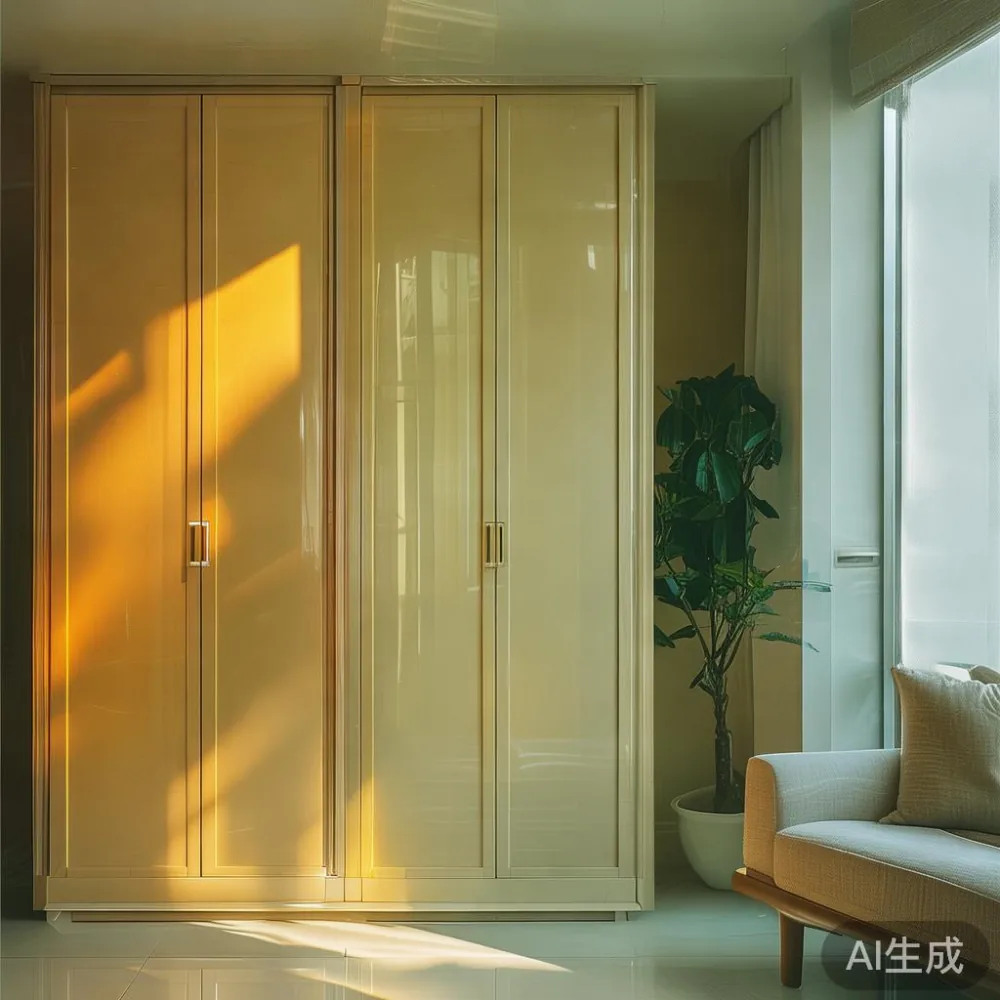
For routine care, dust with a dry microfibre cloth or a soft lambswool brush. A clean cloth used every 7–10 days removes grit before it becomes abrasive. Never use a feather duster on lacquer because loose fibres and trapped dust can drag across the finish. Dampen a microfibre cloth with plain water only, wring it until no water drips, and wipe in light circular motions. Then dry with a second cloth immediately.
There is no need to “feed” lacquer with oil, as one would sometimes do for unfinished solid wood. Oils can leave a greasy film, soften a cured coating, and make dust adhere. If the manufacturer supplied a maintenance product, use only that product, following its instructions and testing it on a concealed 5 cm by 5 cm area for 24 hours.
What are the safest products for cleaning a glossy wardrobe?
Choose products according to the finish, not according to a general label such as “wood polish.” Confirm whether the wardrobe has a solvent-based lacquer, water-based lacquer, polyurethane topcoat, or a factory-applied catalysed finish. A product that appears harmless can be incompatible with a specific coating. A pH-neutral, water-based cleaner designed for lacquered wood is generally the conservative choice.
Dilute 5 ml of cleaner in 500 ml of lukewarm water, unless the label states otherwise. Put the solution on the cloth rather than the wardrobe. A soaked cloth can carry liquid into panel joints, while a nearly dry cloth gives better control. Test it for 24 hours, then check for dull patches, colour change, or tackiness. If a fine residue remains, wipe once with a separate clean, barely damp cloth and dry at once.
Keep the following away from the surface: abrasive pads, scouring powder, alcohol-based glass cleaner, bleach, ammonia, vinegar in concentrated form, silicone sprays, furniture wax, car polish, and household oil. Their job may be useful elsewhere, but the risk of hazing, blooming, or finish breakdown is not appropriate for a wardrobe you expect to use for 10 years or more. A Singaporean household should also avoid “just a little” ammonia; a 1:10 dilution still introduces a chemical that the finish did not need.
Spills should be addressed within 5 minutes. Blot, do not rub. For oily marks, use a small amount of mild dish soap—about 2 ml in 1 litre of water—on a barely damp microfibre cloth. For ordinary dust, skip the cleaner altogether. More product does not mean more protection, and over-cleaning can reduce gloss over time.
How can I prevent scratches, dents, and cloudy haze?
Prevent scratches by reducing the amount of contact. Hang clothes rather than pushing hangers against the doors. Leave approximately 2–3 cm between the moving door and adjacent walls so the edge does not rub. If the door closes tightly, adjust the hinge rather than forcing it. A soft felt buffer measuring 1–2 mm can be fitted to an internal hinge or contacting edge, but do not cover the visible face.
Keep pets away from the lower 80 cm of a wardrobe if their claws or collars regularly catch the lacquer. Use a slim barrier of 90–120 cm high when necessary. For moving boxes, line the route with cardboard and wrap the wardrobe doors in a 5 mm blanket, not bubble wrap directly against the finish. Bubble wrap can trap moisture and print its pattern under pressure.
Heat can create a haze or “bloom” that looks like the lacquer has whitened. Position an LED desk lamp at least 30 cm from the surface, and never use a clothes steamer close to the doors. A steam burst can force moisture into the lacquer, followed by rapid evaporation and trapped moisture. When ironing clothes, keep the iron at least 60 cm away and use the bedroom’s hottest full-length garment steam with care, if at all.
Small marks may sometimes be addressed with a finish-specific touch-up product, but colour, sheen, and age make a home repair unpredictable. Photograph the mark under daylight, note its dimensions, and contact the supplier before applying anything. A 3 cm scratch can be more noticeable than a larger one, so early attention is sensible. MIDHILL’s 10-year structural warranty addresses structural performance; it should not be interpreted as a guarantee against every cosmetic scratch or accidental finish damage.
How do I clean the inside without harming the lacquer?
The interior receives less light but may trap heat and humidity. Empty the wardrobe in sections of 20–30 kg or less, and remove shelves one at a time so the frame is not twisted. Vacuum with a soft brush attachment on low suction, keeping the nozzle 5 cm away from lacquered edges. Never pull a cloth or cable around the interior, because it can catch on a joint and leave a line.
Clean the bottom panel every 3 months and the shelves every 6 months. Wipe internal lacquer with a separate soft cloth, keeping moisture along seams to less than 1 minute of exposure. Do not leave damp clothing inside for days. In Singapore, a wardrobe holding damp clothes is combining trapped moisture with limited airflow, which can encourage mustiness and affect the finish.
For long garments, use breathable garment bags rather than sealed plastic covers. Leave 5 cm between the garment bag and the back panel. A cedar block or charcoal sachet can absorb mild odours, but replace it every 6–12 months and keep it 10 cm from the door face. It is not a substitute for cleaning.
Check the sliding or hinged mechanism every 6 months. Tighten a loose screw by hand or with the manufacturer-approved size, usually 4–6 mm, without stripping the fitting. Apply a tiny amount of silicone lubricant to the moving hardware only if the supplier permits it; keep lubricant off the lacquer. If a door has closed on a plastic hanger, inspect the edge for compression marks immediately.
How should a lacquered wardrobe be installed in a lift and corridor?
Measure the entire route before delivery, not just the wardrobe. A common HDB corridor is about 120–150 cm wide, while a service lift interior may be roughly 100–140 cm deep with a door opening near 90–110 cm. These dimensions vary, so the property manager’s measurements should be checked. Allow at least 10 cm of maneuvering clearance at corners, and account for the door thickness, carton packaging, and the angle required to turn the wardrobe into the bedroom.
A flat-packed wardrobe is easier to carry, but a fully assembled unit can be heavier and less forgiving. A 4-door wardrobe 200–240 cm wide, 220–240 cm tall, and 55–65 cm deep might weigh 100–180 kg. The delivery crew should know whether stairs, a ramp, or a lift are involved. For a condo, include the parking-bay-to-lobby distance and the fact that a second transfer may be required at a security level.
Protect the floor with 3 mm foam board or heavy corrugated cardboard, and use a furniture dolly rated above the cabinet’s weight. Do not drag the wardrobe across tile: grit can scratch both the lacquer and the floor. A wardrobe should be assembled in its final position when possible because moving a rigid cabinet can loosen joints. If it must be tilted, support the base and avoid use on the lacquered panels.
Ask for delivery dates in business days, keep the access details, and photograph the route and packaging on arrival. Since orders above US$350 qualify for free shipping under MIDHILL’s stated policy, confirm whether taxes and access charges affect the final SGD invoice. Singapore’s prevailing GST should be shown clearly, and a separate SGD amount for delivery is easier to compare than a hidden currency conversion.
What does good wardrobe styling look like in an HDB bedroom?
A lacquered wardrobe benefits from visual breathing space. If you are considering how to style American wardrobe in bedroom layouts, place the bed 60–80 cm from the nearest wardrobe door where circulation allows. Avoid floor-length baskets, luggage, or a nightstand that repeatedly touches the door. Use the wall plane to make the wardrobe feel intentional, and let one vertical element—pendant lighting, a tall mirror, or slim artwork—repeat the cabinet’s height rather than crowding it with many small objects.
Colour matters because gloss reflects both light and flaws. A warm white lacquer can amplify yellowing from dust and UV exposure, while a dark finish shows fingerprints and dust specks more readily. Test any textile or plant stand in place for 7 days before deciding. A 90 cm-high plant should stand 20 cm away from the wardrobe if its leaves are damp or if watering can splash.
For a mixed-material bedroom, coordinate the wardrobe with a solid wood bed frame, a nightstand, and a marble table. A marble surface can make lacquer appear more formal, while a solid wood bed frame keeps the room tactile and warm. If the bedroom includes a solid wood sofa in a studio or flex area, maintain the same 20 cm buffer near lacquered surfaces. The broader question of the best Scandinavian sofa for 2026 is useful when proportions and function matter, but the wardrobe’s finish should still be protected from knees, bags, and cleaning products.
Some owners use design references such as French bed vs Italian light luxury bed to judge the room’s mood rather than mixing catalogues literally. Likewise, European light luxury bed vs Nordic bed comparisons can inspire a restrained palette. A compact HDB room may be better suited to Italian light luxury for small living room principles—measured storage, reflective surfaces, and fewer visible objects—than to a densely layered scheme.
How often should I inspect the wardrobe during the first year?
Create a simple maintenance calendar. In the first month, inspect the finish after unpacking: look under daylight and under a warm lamp for haze, scratches, dents, and uneven gloss. Take photographs from 4 fixed positions so later comparisons are meaningful. At 3 months, check door alignment and the interior after the first humid season. At 6 months, clean the interior and verify the finish. At 12 months, review the lacquer under angled light and check every hinge, runner, and drawer front.
After year 1, a wipe every 2–4 weeks and an interior cleaning every 6 months is usually sufficient in a lightly occupied room. High-use wardrobes near a main bathroom door may need weekly attention. Treat haze as a signal to check ventilation, not as an invitation to apply more polish. If the issue repeats at the same location, inspect for heat, condensation, trapped moisture, or a rubbing door.
For customers comparing complete bedroom furniture, MIDHILL’s family of pieces can support a coherent approach to a solid wood bed frame, dining table, wardrobe, nightstand, and marble table. Product finish and room conditions still need to be considered individually. A dining table may see more spills; a wardrobe may see more heat and swing-door contact. One cleaning method should not be applied indiscriminately to all surfaces.
What should I do if the lacquer becomes damaged?
Stop repeated friction. A mark that grows after each wipe may be a scratch, moisture bloom, or a loose veneer edge rather than simple dirt. Clean once with the approved method, dry for 30 minutes, and inspect under angled light. Do not use metal tools, razor blades, sandpaper, or a steam gun. These can remove a broad layer of lacquer and make professional repair more difficult.
For a lacquer wardrobe that is being moved or installed, MIDHILL can assess finish-related questions within the scope of its 10-year structural warranty. Cosmetic damage, wrong cleaner, and neglected spills may require separate service. Keep the order number, finish photograph, room humidity readings, and an incident timeline. If the wardrobe was delivered with visible damage, record it before accepting it and notify the team within the available return period.
MIDHILL offers a 14-day return policy for eligible orders, subject to the stated conditions. If a finish is materially different from what was ordered, contact the company promptly rather than trying to disguise it. For care advice that is specific to a finish or a new wardrobe, email midhillco@gmail.com with photographs and measurements. This also gives a clear record for the 10-year structural warranty and any refinishing support available under the company’s stated lifetime refinishing service.
The aim is not a laboratory-perfect environment. It is a stable bedroom, controlled contact, and a routine that prevents small issues from becoming permanent ones. A well-cared lacquered wardrobe can remain visually sharp through Singapore’s seasonal humidity, provided the owner uses less product, more observation, and the right cloth every time.