How Southeast Asian Humidity Affects Solid Wood Furniture
Singapore’s tropical climate can change the dimensions, joints and finish of solid wood furniture more than many customers expect. In a HDB flat in Tampines, a wardrobe beside an air-conditioned bedroom wall may experience a different humidity cycle from one placed along a corridor in Bedok. A Punggol condo can have wider glazing, stronger air conditioning and noticeably lower daytime humidity. These differences matter because wood continues to exchange moisture with the air after installation.
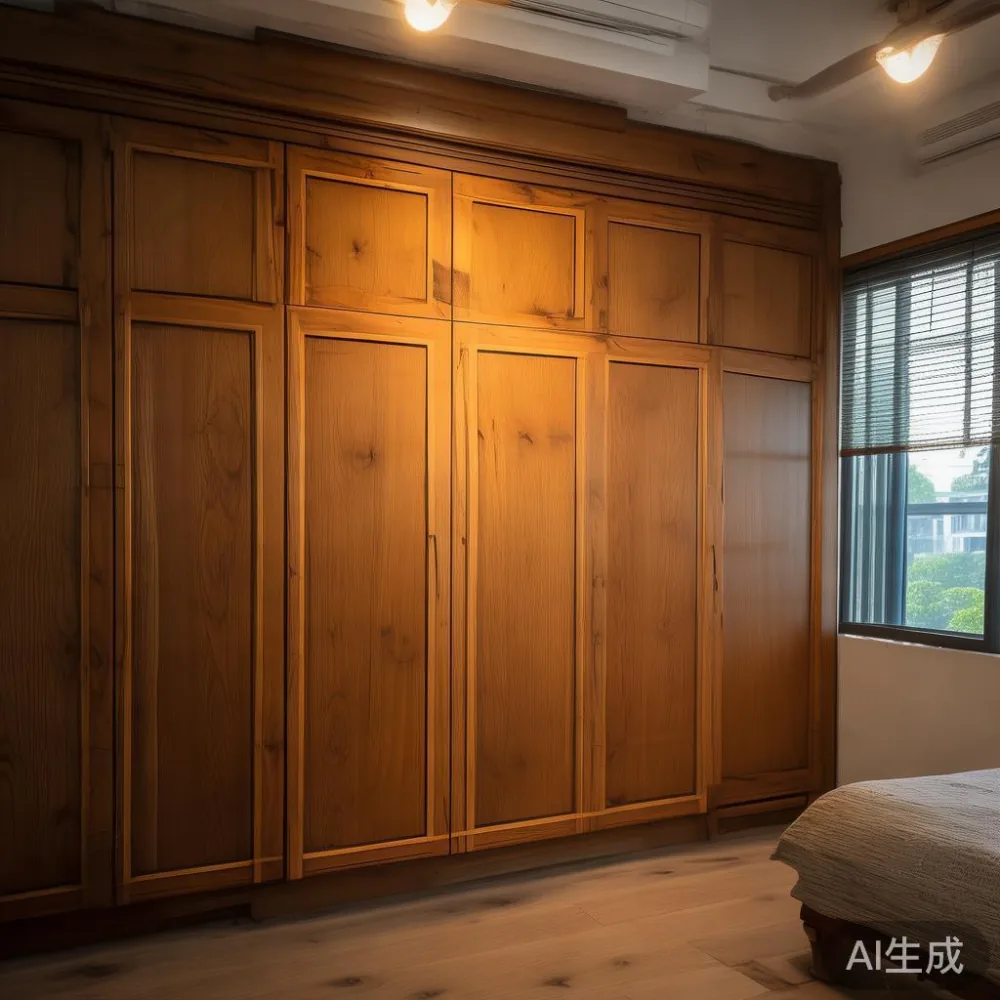
The practical question is not whether humidity affects furniture. It does. The useful question is how to select, deliver and maintain a wardrobe that remains stable in Singapore. MIDHILL makes solid wood furniture for homes across Southeast Asia, and this guide explains the measurements, delivery constraints and care habits that make a long service life more predictable.
Why tropical humidity changes solid wood furniture
Wood is hygroscopic: its moisture content responds to the relative humidity around it. When Singaporean air is humid, the cells absorb moisture and the board expands across its grain. When air-conditioning lowers the humidity, the board gives up moisture and contracts. Repeated cycles can open a small joint line, pull a drawer runner out of alignment or make a fitted wardrobe touch unevenly against a wall.
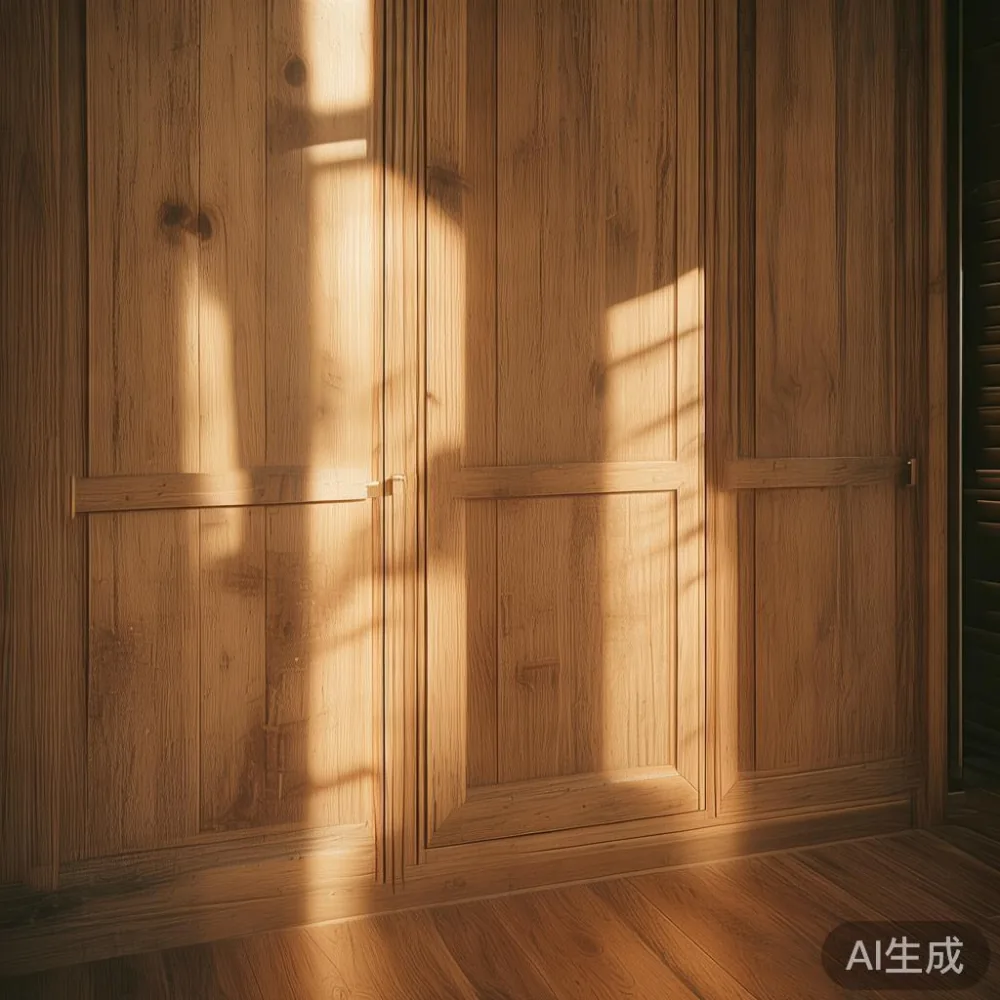
Singapore’s monthly average relative humidity is commonly around 70% to 85%, while air-conditioned interiors may settle near 50% to 60%. Wood movement depends on species, panel construction, thickness, grain direction and finish. A 180 cm wide solid oak wardrobe panel may change by roughly 1 mm to 3 mm across a substantial humidity cycle; a 240 cm panel may move more. The exact figure varies, so measurement is more informative than a universal number.
Engineered panels are not immune. A plywood or MDF wardrobe core can remain dimensionally stable, but its veneer, solid timber trim and door frames can still respond differently. A veneered wardrobe may show edge-checking or a mismatch between a moving and fixed panel. A well-designed solid wood wardrobe uses restrained joints, suitable panel thicknesses and finishes that permit slow surface breathing rather than forming a completely impermeable plastic skin.
How much clearance should a Singapore wardrobe need?
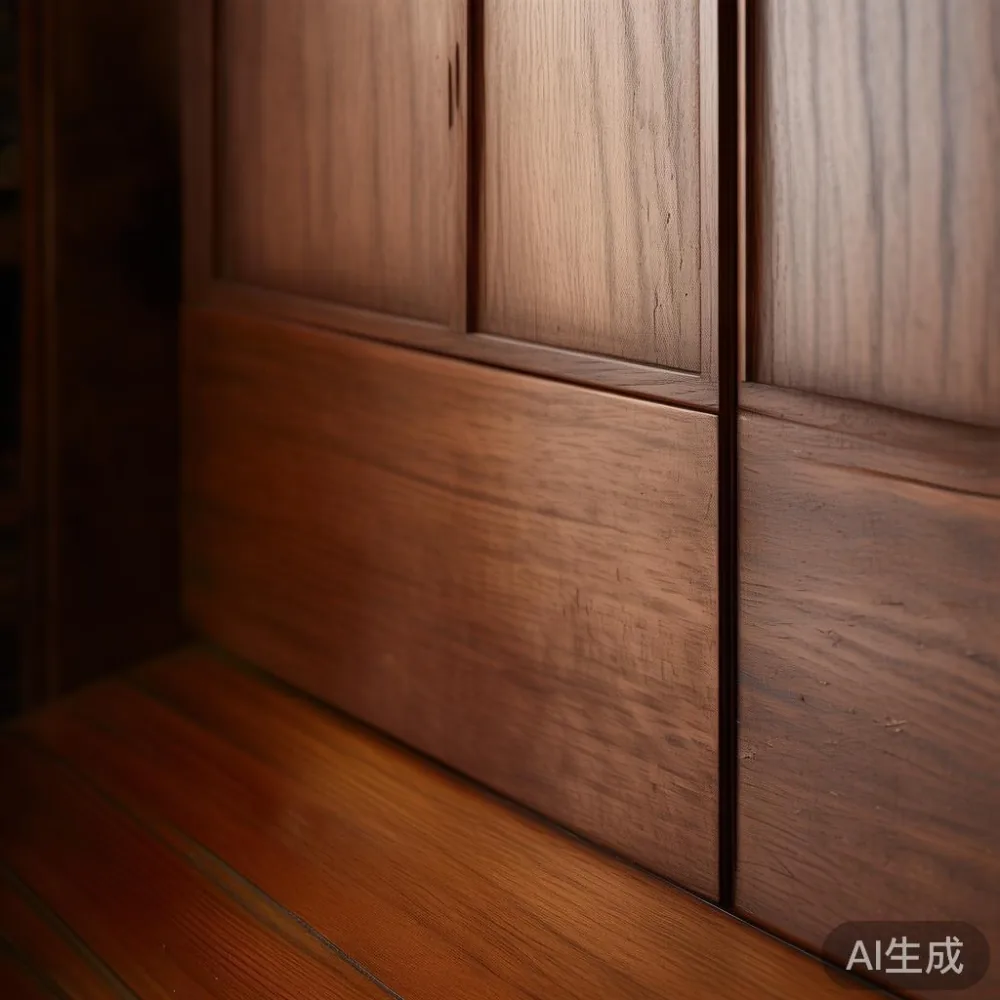
Allow at least 5 cm behind a freestanding wardrobe for ventilation, inspection and slight movement. Keep the rear panel 10 cm away from an exterior wall in a unit that receives heavy rain, and maintain roughly 10 cm of clearance from a bathroom or kitchen wall if steam can reach it. The wardrobe should not share a wall with a drying rack, a laundry basket or a source of dampness.
For built-in installations, check the opening rather than assuming a standard size. Measure the width at the top, middle and bottom, because corridor walls and older HDB flats may not be perfectly square. Record the narrowest opening and the diagonal depth of the largest carton before ordering. A wardrobe supplied as knock-down components may fit through a 90 cm HDB bedroom door, whereas a single 210 cm wide rigid carcass may not.
Singapore lift dimensions also need checking. Many HDB lift openings measure about 90 cm, with internal depths around 135 cm to 140 cm, although buildings vary. A 220 cm long wardrobe carton can be tilted if the lift ceiling height and turning space allow it. In a narrow condo corridor, a 200 cm carton may need to be turned vertically. Measure the ceiling height, the corridor turning points and the distance from the lift lobby to the bedroom door.
Leave around 10 cm of working room beside the wardrobe for door opening. A hinged door needs about 90 degrees of clear floor space, while a sliding door needs enough track length for the panel to travel. A wardrobe depth of 55 cm to 60 cm suits most clothing rails, but 65 cm can provide useful hanging depth for long garments. Confirm the internal rail height and the position of any electrical sockets before fabrication.
Can humidity ruin a quality wardrobe in Singapore?
A well-made wardrobe should tolerate normal indoor variation; it should not visibly buckle after 1 month or 12 months. The risks rise when timber arrives with a moisture level far from local conditions, when panels are stored in a wet loading area or when a large solid wood door is fitted with very tight screws.
I visited a customer’s Bedok HDB flat last month to inspect a 6-year-old solid wood wardrobe. Its supplier had stored the panels near a corridor window during renovation, and two doors had developed uneven gaps. After the panels were acclimatised for 14 days, the middle joints were planed, the runners were adjusted and the doors were re-hung. The timber remained serviceable, but the repair would not have been necessary if the panels had started in a dry room and the unit had stood 8 cm away from the wall.
MIDHILL’s 10-year structural warranty addresses construction, but the customer still needs sensible placement. This distinction matters. A 10-year warranty cannot prevent a wardrobe from being stored against a damp wall, and it should not be treated as permission to ignore ventilation. Likewise, the company’s lifetime refinishing policy covers eligible wear refinishing over the product’s useful life; it is not a substitute for moisture control.
Which solid wood species suit Singapore conditions?
Oak, ash, beech, rubberwood and other properly seasoned timbers can work in Singapore. The species name matters less than the drying method, panel design and protective finish. Ask for a documented moisture content near 8% to 12% for furniture intended for air-conditioned tropical interiors. Local relative humidity can still shift, but a stable factory moisture level reduces the initial adjustment.
European oak often suits a French light luxury bedroom because its open grain and restrained colour pair well with pale walls, brushed metal and upholstered fabric. American walnut can support American light luxury styling through warmer tones and visible grain. Post-modern light luxury often combines a solid wood carcass with reeded panels, curved edges or mixed materials, but the wood component still needs dimensional allowance.
Solid wood furniture should not be confused with solid wood veneer. The former uses solid timber boards, while the latter uses a thinner timber layer over an engineered core. Both can look refined, yet they react differently under heat and humidity. Solid wood may be repaired more readily when a small surface area is affected. Veneer can be more stable as a broad panel, but an exposed edge requires careful treatment.
For a coordinated home, buyers often compare a Japanese bed vs Modern bed and assess the bed frame beside the wardrobe, rather than treating each piece in isolation. A matching bedroom sequence makes grain and colour relationships easier to judge. If a solid wood sofa, dining table, nightstand or marble table appears elsewhere in the home, account for each material’s movement. Marble does not expand like timber, so keep the marble table’s supports clear of the changing footprint of nearby wooden furniture.
How should a wardrobe be delivered and installed?
Plan delivery around weather, access and acclimatisation. Mid-century modern TV console furniture and other living-room pieces should not remain in a loading bay or damp corridor simply because the unit has arrived. Solid wood components generally benefit from at least 7 days of gradual acclimatisation in the finished room; 14 days is more prudent when a room is newly tiled, freshly painted or vacant.
Before delivery, keep cartons off the floor if the loading area may be damp. Stand packages upright where the manufacturer permits, space panels 5 cm apart and avoid plastic wrap against every surface. This allows air to move around the timber. Open the cartons after bringing the pieces into the bedroom, but do not force doors or tighten every fixing on day one.
MIDHILL has exported to more than 15 countries since 2008, and Singapore delivery is subject to access, weight and destination details. A wardrobe may arrive in 2 to 6 cartons with a total delivery weight of 80 kg to 180 kg, depending on size and construction. The team should confirm the lift capacity, carrying route and whether stair handling is required. A clear 90 cm corridor and standard lift do not guarantee a safe turn at every landing.
Singapore’s GST is already reflected in the displayed selling price for GST-registered local purchases, but ask for the full invoice and any applicable delivery charge. MIDHILL offers free shipping for orders above US$350; the threshold does not change the need to check whether a large wardrobe qualifies under the quoted shipping terms. Orders over US$350 may still require scheduled delivery, lift reservation or an access surcharge. The company also provides a 14-day return window, subject to the product condition and documented handling.
What humidity level should you maintain indoors?
A relative humidity reading between 50% and 65% is a practical target for a bedroom containing solid wood furniture. During Singapore’s more humid months, air-conditioning usually provides the easiest control. A hygrometer placed at wardrobe height can show whether the room is drifting beyond the preferred band. Check it at 8 a.m., 2 p.m. and 9 p.m. for at least 7 days before concluding that the wardrobe is experiencing a problem.
Avoid directing a floor fan, ceiling vent or dehumidifier straight at the wardrobe for long periods. Gentle air movement is useful; abrupt drying can cause the face of a board to contract faster than its core. Keep the unit at least 30 cm from a cold air-conditioning outlet and 50 cm from a heater. Bathrooms and kitchens deserve particular attention because shower steam and cooking moisture can raise local humidity quickly.
Wipe the wardrobe with a soft, slightly damp cloth and dry it immediately. Do not use a dripping cloth, concentrated detergent or household polish. Apply a compatible wood-care product every 12 to 18 months, or sooner if the finish feels dry. A satin finish generally suits humid homes because it is less reflective and less prone to showing fingerprints, although sheen does not determine moisture resistance.
Watch for warning signs: a 1 mm to 2 mm gap that appears after a wet week, a drawer that catches, or a surface that feels tacky. Tiny seasonal gaps can be adjusted, but widespread distortion, mould or deep cracks deserve an inspection. Keep the product serial number, moisture readings and photographs of the installation for warranty discussions.
Are wardrobes the only solid wood pieces affected by Singapore humidity?
No, but each furniture category has different exposure and tolerances. A dining table experiences spills, heat and daily hand contact. A bed frame is close to the floor, where damp cleaning can be a risk. A nightstand may sit beside a window or air-conditioner. A marble table responds very differently to humidity because stone does not absorb moisture in the same way. A solid wood sofa may use hardwood frames with upholstered cushions, so the timber joints need stable indoor conditions while the fabric needs separate care.
Outdoor-adjacent pieces receive the harshest exposure. A TV console near an open balcony should be treated like an indoor piece and kept at least 30 cm from the opening. If the room is used for light luxury for office storage, maintain the same humidity discipline while keeping electrical equipment away from wet cleaning areas.
For small apartments, Modern for small living room design often relies on slim profiles and wall-conscious storage, while Minimalist for small living room schemes benefit from fewer pieces with accurate dimensions. Before purchasing, where to buy sofa from MIDHILL is a reasonable question for buyers comparing frame construction, timber specification and delivery support across a complete home. The material should be disclosed clearly, including any plywood, veneer, metal support or upholstered section.
Brands and product references are only one part of the decision. Measure the room, inspect the joinery, confirm the moisture standard and read the care terms. A digital reference such as midhillco can help organise specifications, but the physical sample should reveal colour, grain, weight and finish quality. For furniture expected to remain in service for 10 years or more, that combination of measurement and after-sales support is more meaningful than a dramatic claim.