Solid Wood Furniture: What Influences Its Price?
Solid wood furniture is often sold as a broad category, but the price can vary by several hundred or even several thousand Singapore dollars between two wardrobes that look similar in a showroom photograph. The difference may come down to timber species, board construction, hardware, finish, dimensions, and the amount of labour required to make the piece correctly.
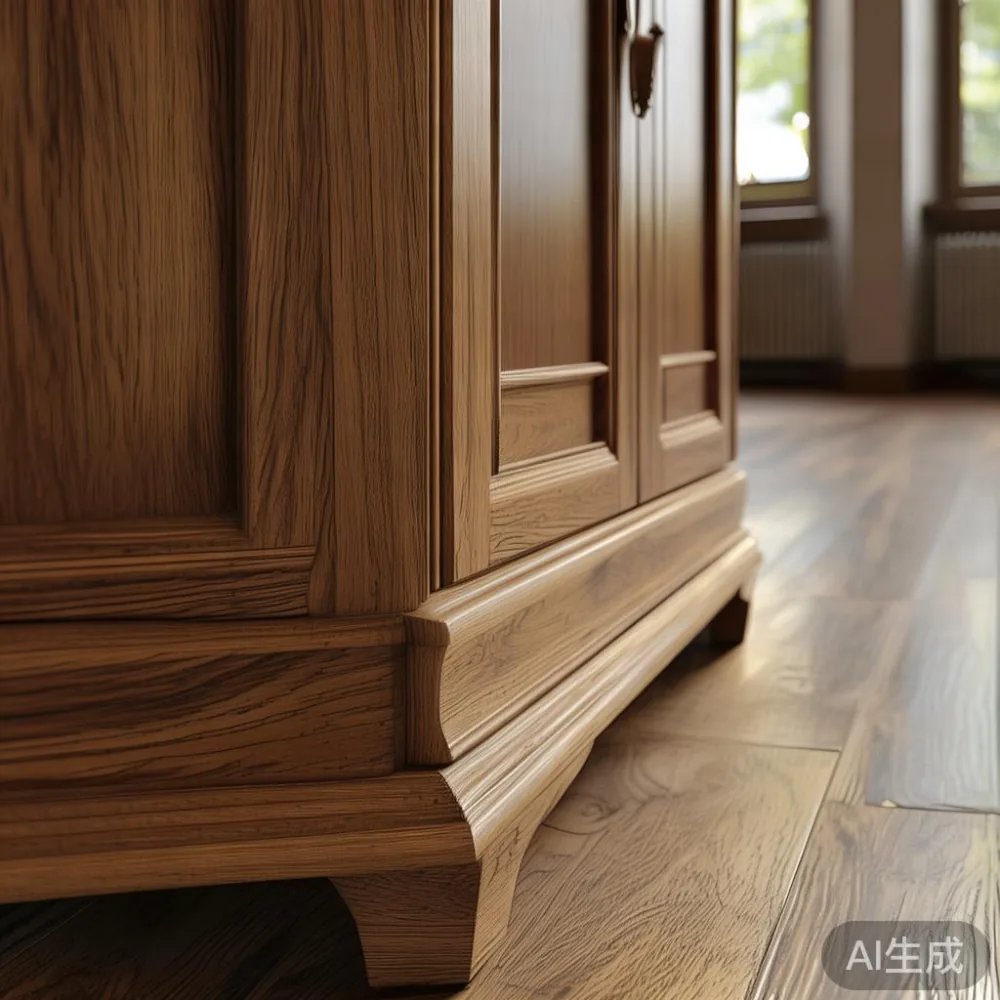
For Singapore households, those differences matter because HDB flats and condos impose practical limits. A bedroom in Tampines may have a ceiling of 2.4 m, while a newer condo in Punggol may offer 2.7 m. A wardrobe that fits one room perfectly may be too tall for another, and a wide unit may not turn the corner in a 110 cm corridor or fit inside a lift with a 90 cm door opening. GST must also appear in the final budget, whether the furniture is purchased for a completed home, a new BTO, or a rental refresh.
This guide explains what actually drives the price of solid wood furniture, with particular attention to wardrobes and the sizing conditions of Singapore homes. It also considers how French light luxury, American light luxury, and post-modern light luxury affect design choices without making price the only consideration.
Is solid wood more expensive than engineered wood?
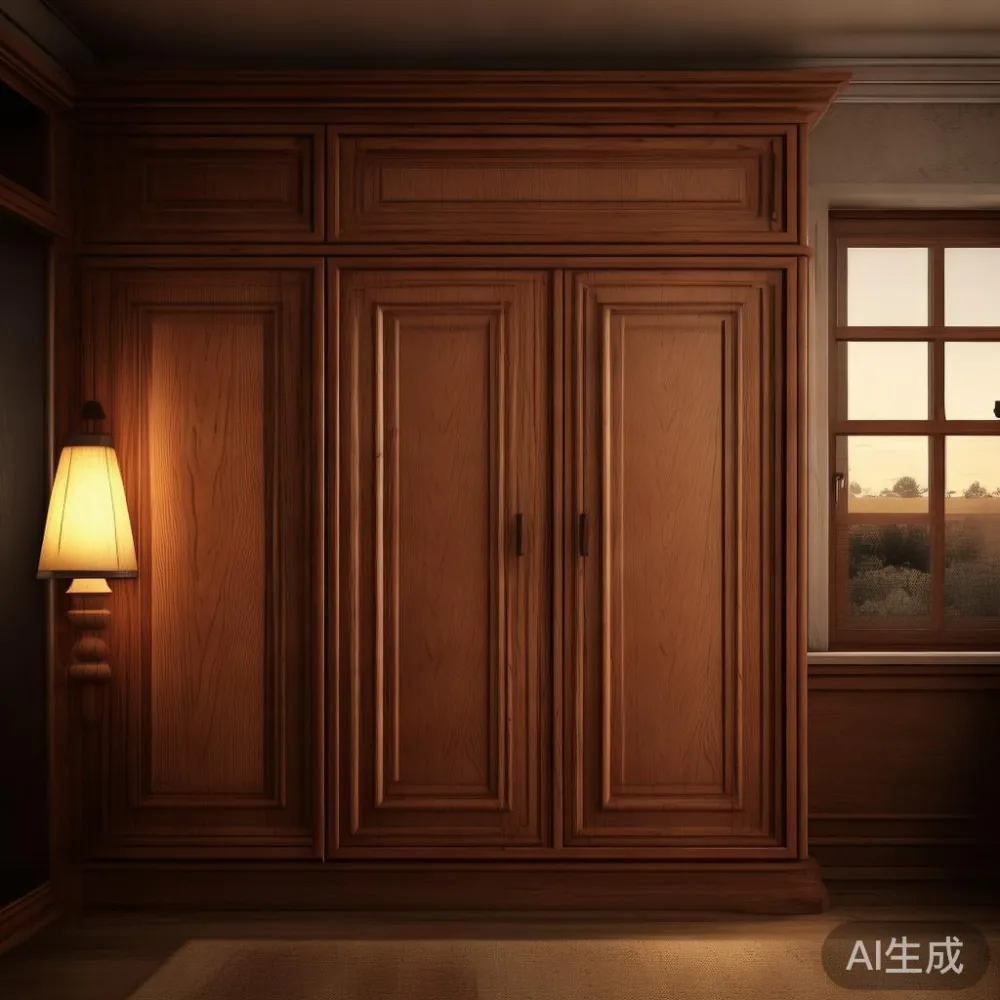
Yes, but “solid wood” does not describe one material or one price point. It identifies how the visible component is made, not whether every hidden part is timber. A wardrobe may have solid oak fronts, solid ash rails, and plywood or particleboard backing. Another wardrobe may use solid rubberwood throughout. Both can be described as solid wood, yet the material cost, machining demands, weight, and finishing time can differ substantially.
Timber species form the first price layer. Oak, walnut, ash, teak, and cherry each carry different raw-material and processing costs. One 180 cm-wide wardrobe door made from premium oak may contain about 0.038 m³ of timber before machining, drying, and wastage are considered. A narrower wardrobe may require only 0.025 m³. Since timber is bought in boards rather than perfect sheets, a larger blank may also cost more than the finished area suggests.
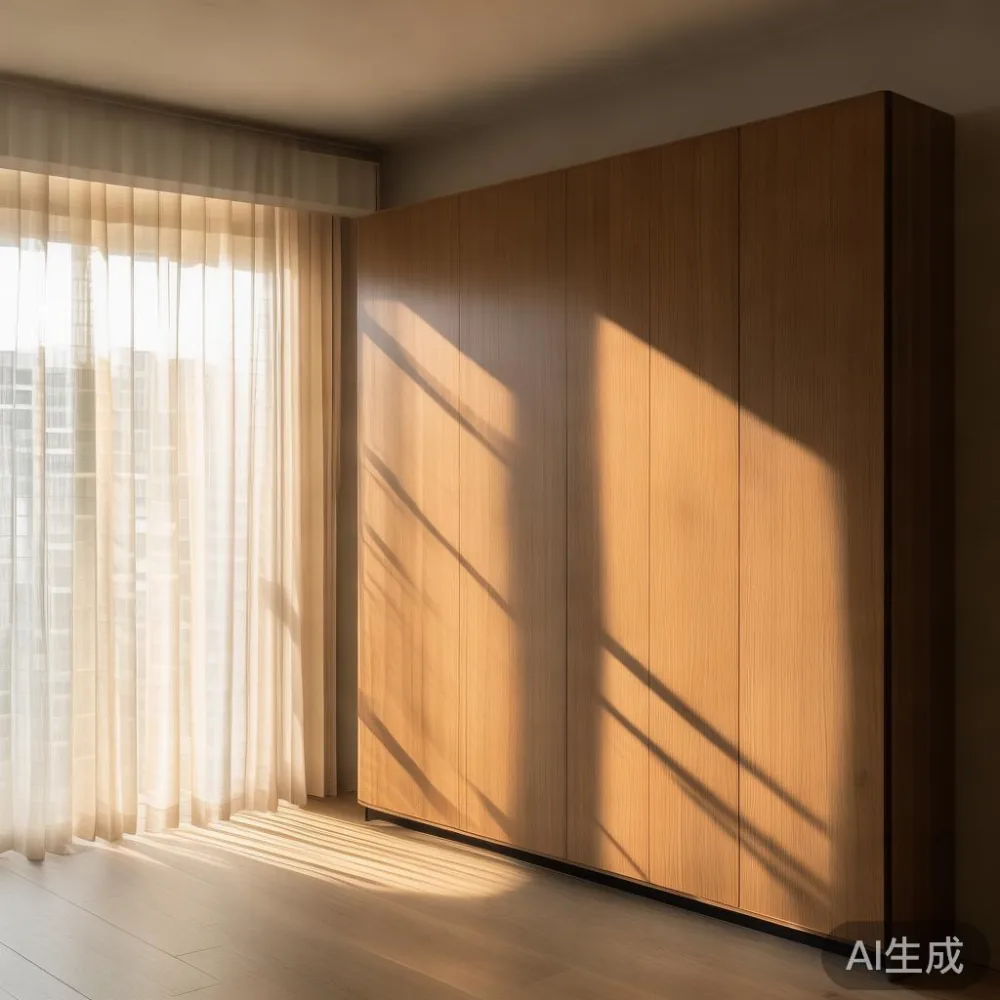
Construction is the second layer. A traditional framed wardrobe uses stiles, rails, shelves, and a separate backing. A slab-front wardrobe uses broader panels that must be selected for stable grain and colour. Slab fronts can look clean and contemporary, but a wide panel may warp if it is not properly dried, joined, or braced. A well-built carcass matters more than the decorative front.
The total amount of timber is only part of the equation. Consider a 210 cm-high, 180 cm-wide, 60 cm-deep wardrobe with six adjustable shelves, two hanging rails, three drawers, and soft-close hinges. If the front and visible frame use premium hardwood while the carcass uses stable engineered panels, the material mix should be stated clearly. If the entire carcass is solid timber, the price will naturally be higher and the unit may weigh roughly 90–140 kg, depending on timber and construction.
Singapore buyers should also ask whether “solid wood” applies to the drawer sides, shelf edges, back panels, and internal rails. Fronts alone do not define the whole wardrobe’s build quality.
How much of a wardrobe’s price comes from its dimensions?
Dimensions have a direct effect because wood, labour, and packaging scale with size. A wardrobe measuring 240 × 220 × 60 cm contains substantially more timber than one measuring 200 × 180 × 55 cm. It also needs deeper joints, larger hardware, more reinforcement, and often two people for delivery and installation.
The full-height option costs more for a practical reason. A 240 cm wardrobe with a matching plinth may need a timber section about 245 cm long after trimming. The grain must remain continuous, and long components are harder to dry consistently. The doors may also need a centre stile or vertical support rather than relying on a single wide panel. That extra structure protects against bowing and reduces future movement.
Local room proportions should guide the order. A 2.4 m ceiling usually leaves little space above a 235 cm wardrobe for a top box, while a 2.7 m condo ceiling may accommodate one. If the lift opening is only 90 cm wide and the internal depth is 140 cm, a wardrobe wider than 85 cm may need to be delivered in sections and assembled inside the bedroom. If the corridor narrows below 100 cm, the installer may need to tilt the carcass and protect the floor with cardboard or blankets.
Delivery planning should happen before the wardrobe is manufactured. Curved corners, integrated handles, projecting rails, and fixed plinths add handling risk. A simpler flat-pack or knock-down construction may cost less because delivery is easier. MIDHILL offers free shipping over US$350, but the destination remains Singapore in this discussion, so the applicable delivery charge and GST should be confirmed with the supplier rather than inferred from an international threshold.
Why do hinges, drawers, and soft-close hardware make such a difference?
Because a wardrobe is used every day, hardware determines how the piece feels as much as timber determines how it looks. Hinges, drawer runners, hanging rails, and handles operate under repeated movement. Their price includes the mechanism, load rating, finish, testing, and the precision needed to install them evenly.
A typical premium soft-close hinge may add around SGD 18–45 each before GST, depending on its brand and adjustment range. A six-door wardrobe might therefore carry SGD 108–270 in hinges alone. Full-extension ball-bearing drawer runners may add SGD 25–70 per pair. A wardrobe with three drawers can gain SGD 75–210 from the runner specification.
Quality is not simply a matter of the soft-close feature. The hinge cup should sit correctly in a recessed wooden area, and the plate should be screwed into solid timber or a proper fixing block. The drawer should not rack when opened, the runner should support its intended load, and the door should close without rebounding. Cheap hardware can make an expensive timber door feel disappointing.
Handles create another price variation. A machine-cut solid wood pull may cost more than one moulded from another material because it requires routing, sanding, and hand-finishing. A slim recessed pull can reduce visual weight and avoid projection in a narrow corridor, but it introduces routing work and a risk of chipping if the grain is unstable. Clear specifications are more useful than vague claims such as “European hardware”: buyers can ask for the hinge manufacturer, runner type, load rating, number of adjustments, and warranty.
These details also influence service life. A well-adjusted cabinet can remain in use for 15–20 years, with hinge cups occasionally replaced before the timber reaches that age. MIDHILL includes a 10-year structural warranty, which is separate from hardware wear and finish maintenance.
How does finish quality affect the final price?
A finish protects the timber and controls the final colour, but every additional layer adds material and labour. Some lower-cost pieces are stained and lacquered with a thinner build. Others are sanded more finely, filled, primed, stained, and coated with several layers of hardwax oil or lacquer.
For a wardrobe with many vertical surfaces, preparation is time-consuming. Sanding around rails, shelves, and door edges can take several hours. Pre-finished boards save workshop time, but they may show repeated colour, grain, or sheen across adjacent panels. Solid wood doors also move slightly as humidity changes, so a flexible finish may be more suitable than a rigid film that eventually cracks.
Hardwax oil gives a tactile, natural appearance and can be maintained locally. Penetrating oil generally takes 2–4 days to cure in a humid climate. Water-based lacquer may dry faster and resist spills, while solvent-based finishes can deepen colour and build a smoother surface. VOC treatment, drying-room time, and multiple coats affect the production cost before the wardrobe reaches the customer.
Solid wood sofa, bed frame, dining table, wardrobe, nightstand, and marble table products each present different finishing challenges. A dining table needs a durable, repairable top; a wardrobe needs consistency over tall doors; a marble table requires careful support for its weight. A supplier with a lifetime refinishing service can reassess worn surfaces later, extending the useful life of the piece rather than treating the first finish as permanent.
Colour matching matters too. If a sample door is made from one board and the delivered wardrobe uses another, the natural variation may be accepted by the customer but should be disclosed in advance. A written finish schedule, including sheen level and expected grain variation, gives a clearer basis for comparison than a general colour name.
What does “light luxury” mean for a solid wood wardrobe?
Light luxury is not defined by a single ornament. It is more restrained than conspicuous luxury and usually emphasizes proportion, material honesty, tactile finishes, and careful detailing. A wardrobe with pale oak, soft lines, narrow shadow gaps, and integrated pulls can fit French light luxury without looking heavily decorated. American light luxury often pairs solid wood with generous upholstery, warm neutral colours, and substantial proportions. Post-modern light luxury may combine clean cabinetry with selective curves, fluted panels, or contrasting timber.
The style affects price through labour and material selection. Fluting requires a specific cutter, steady feed, and careful sanding across each groove. Rounded corners require templates and extra finishing. A curved wardrobe front may need laminated or joined timber because a single board is not wide enough or stable enough. Decorative metal inlays add another setup process, but they should not obscure the wood’s grain.
Light-luxury design also works best when dimensions are disciplined. In a compact Tampines HDB bedroom, a 180 cm-wide floor-standing wardrobe may crowd a 120 cm bed and restrict access to one side. A wall-mounted or modular arrangement may be visually calmer, although it must be fixed correctly into the wall. In a Punggol condo with a 150 cm bed and a wider wall, a 220–240 cm wardrobe can create a more balanced composition.
Product comparisons can help buyers judge design rather than rely on labels. French bed vs Nordic bed reflects differences in profile and visual warmth; American sofa vs Japandi sofa compares different scales and upholstery attitudes. A guide to how to choose Japandi sofa should focus on seat depth, frame support, and the proportion of exposed timber. For anyone working through how to style Japanese sofa in room, low profiles, neutral textiles, and uncluttered circulation are more useful than adding many objects.
How should I compare solid wood furniture prices fairly?
Compare the specification, not the headline price. For the 180 cm wardrobe described earlier, request a quotation that separates timber, carcass construction, doors, interior fittings, hardware, finish, dimensions, and delivery. Then add GST at the applicable rate. Singapore’s standard GST is 9%, so a SGD 3,000 pre-GST product becomes SGD 3,270 including GST.
Price also depends on the maker’s support obligations. A 10-year structural warranty can reduce the risk of premature joint or frame failure. A lifetime refinishing policy gives a future repair route for scratches and colour changes. A 14-day return period provides time to inspect colour, dimensions, and condition, subject to the stated return terms. These services have real operational value because a solid wood wardrobe can remain in a family home for decades.
Delivery and installation should be itemised. A Singapore order might take 20–35 days for a made-to-measure wardrobe, followed by 1–3 days for delivery once production is complete. A stock design could be quicker, perhaps 7–14 days. Lift access and corridor measurements should be supplied early, and the installer should know whether the wardrobe is delivered flat-packed, in sections, or fully assembled.
As a practical example, I visited my colleague’s Bedok condominium last month to inspect a new 200 × 180 × 58 cm wardrobe before her family moved in. The lift door measured 91 cm, and the shortest corridor turn was 108 cm. A fully assembled carcass would not have cleared the turn, so the unit was split into two modules and joined in the bedroom. That decision changed the quotation by about SGD 180, including extra joinery and longer installation time. It also prevented a delivery-day problem that the original product price could not have revealed.
For other categories, the same approach applies. A MIDHILL dining table should be quoted by top size, timber, edge profile, base, finish, and delivery access. A solid wood bed frame requires compatible mattress dimensions and stable floor contact. A solid wood sofa should disclose frame timber, suspension, cushion density, and fabric composition. A nightstand should list drawer runners and internal dimensions. A marble table must account for stone thickness, support, and the safe handling of a heavy top. Even a reference point such as the best Nordic bed for 2026 is useful only when the frame, slat spacing, centre support, and warranty are stated.
What practical details can change the price most?
Custom sizing usually has a larger effect than decorative styling. Side panels cut to 242 cm, irregular fillers, reduced door widths, and integrated wiring can require special jigs and more setup. A standard module can be repeated efficiently, while a one-off wardrobe may need 5–10 extra hours of preparation.
Accessibility also affects the design. Pull-down rails, wardrobe lifts, internal drawers, and LED lighting add components, power requirements, and installation time. A motion sensor may make a compact bedroom easier to use at night, but the wiring route must be planned before the carcass is closed. These features are worthwhile when they solve a real constraint, not simply because they appear on a concept image.
Room context remains important. An HDB bedroom with a 220 cm usable wall cannot support the same volume as a condo room with a 300 cm wall. A 2.4 m ceiling constrains tall doors even when floor area is available. The best approach is to record the room length, width, ceiling height, skirting depth, door positions, lift dimensions, corridor turns, and preferred opening direction. Photos can help, but a tape measure is more reliable.
Design references should support that practical foundation. Mid-century modern for office planning may favour slim storage, compact desks, and clear circulation, while a full-height wardrobe belongs where it does not interrupt the working zone. French light luxury, American light luxury, and post-modern light luxury can each work in Singapore homes when their proportions match the architecture and the daily use of the room.
Ultimately, the price of solid wood furniture is driven by a combination of material volume, timber quality, construction, machining, hardware, finish, support, logistics, and warranty. Two products may share the same name and still answer to very different specifications. By comparing those measurable parts—and checking GST, delivery, installation, and return terms—the buyer can judge whether the price reflects long-term use rather than appearance alone.