What Influences the Price of Solid Wood Wardrobes
Solid wood furniture is often described by its material, but the selling price is shaped by a much wider set of decisions: the species, the cut of timber, the construction method, hardware, surface finish, dimensions, and the cost of getting a large piece into a Singapore home. A 180 cm wardrobe can sit within one budget while a 220 cm version crosses another, even when both are labelled solid wood.
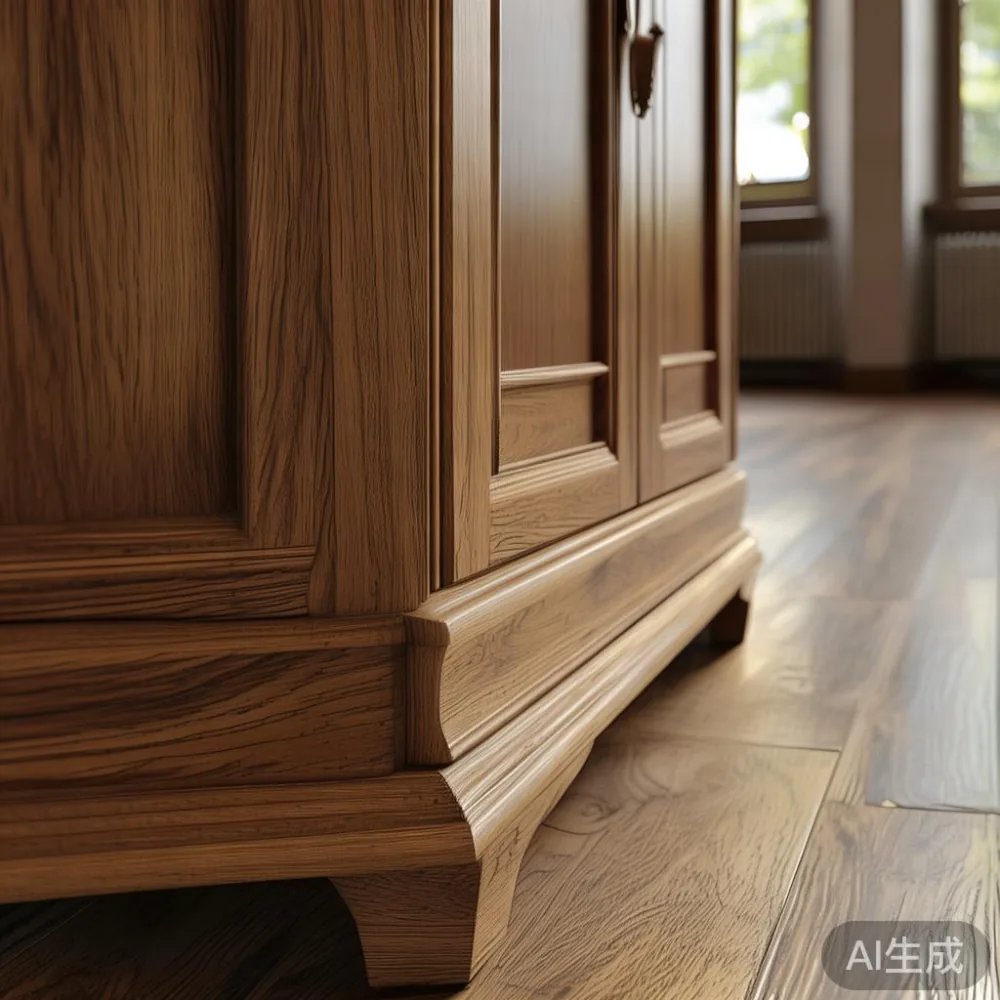
This matters especially for buyers in Tampines, Bedok, and Punggol. A HDB flat may have a compact bedroom and a common corridor, while a condo can offer more storage but still have narrow lift entrances. Price is not simply a number attached to a product page. It reflects what is made, how it is made, and what must happen after the workshop door closes.
MIDHILL was established in 2008 and exports to more than 15 countries. Its furniture carries a 10-year structural warranty, with lifetime refinishing available under the relevant service terms. That framework gives buyers something concrete to compare, but it does not remove the need to understand where money goes inside a piece such as a wardrobe.
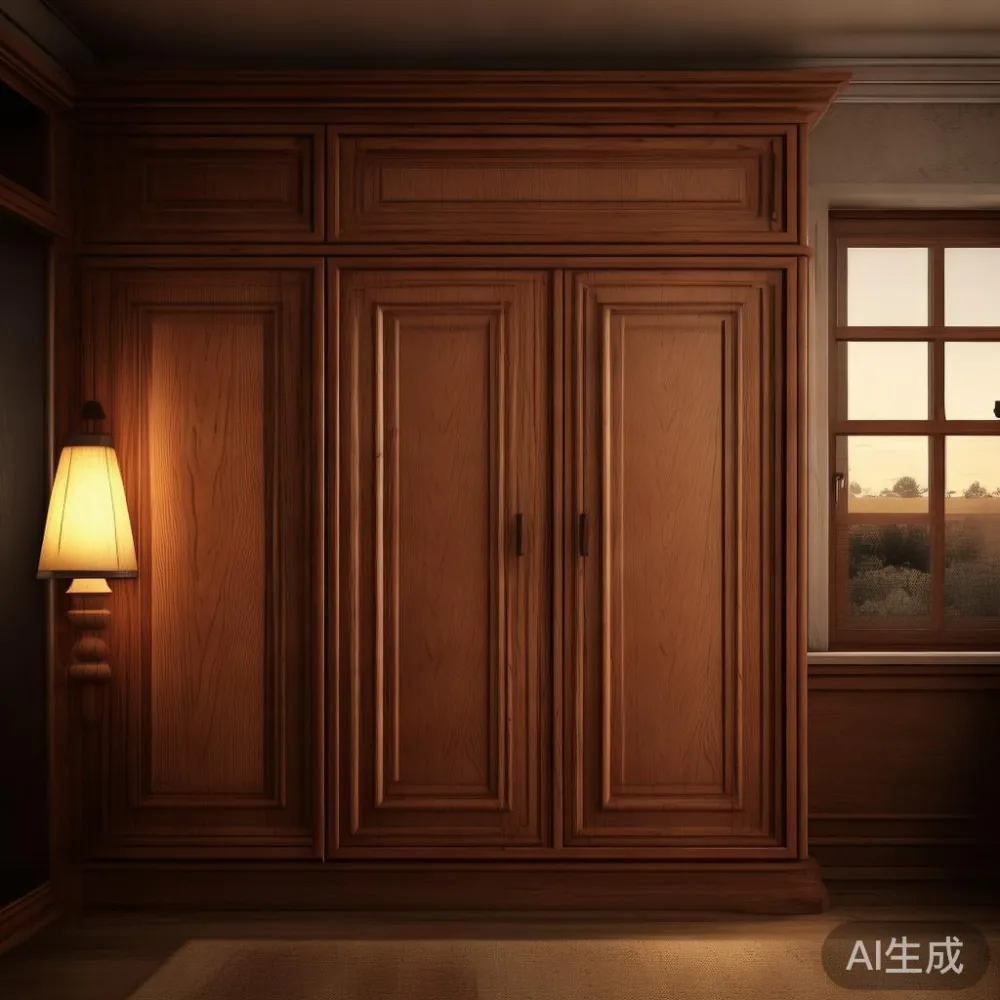
Is a light luxury wardrobe worth it?
The question “is light luxury wardrobe worth it” is common among Singapore homeowners who want visual softness without turning their bedroom into a formal sitting room. Light luxury is not about adding the most decoration. It is about proportion, pale timber, restrained hardware, gentle profiles, and finishes that make a room feel composed.
A French light luxury wardrobe might use warm oak or ash, framed doors, and muted handles. An American light luxury wardrobe often favours clean lines, generous storage, and a more practical feel. Post-modern light luxury can combine simplified traditional details with slim sections and quieter colours. Each approach affects labour and material costs.
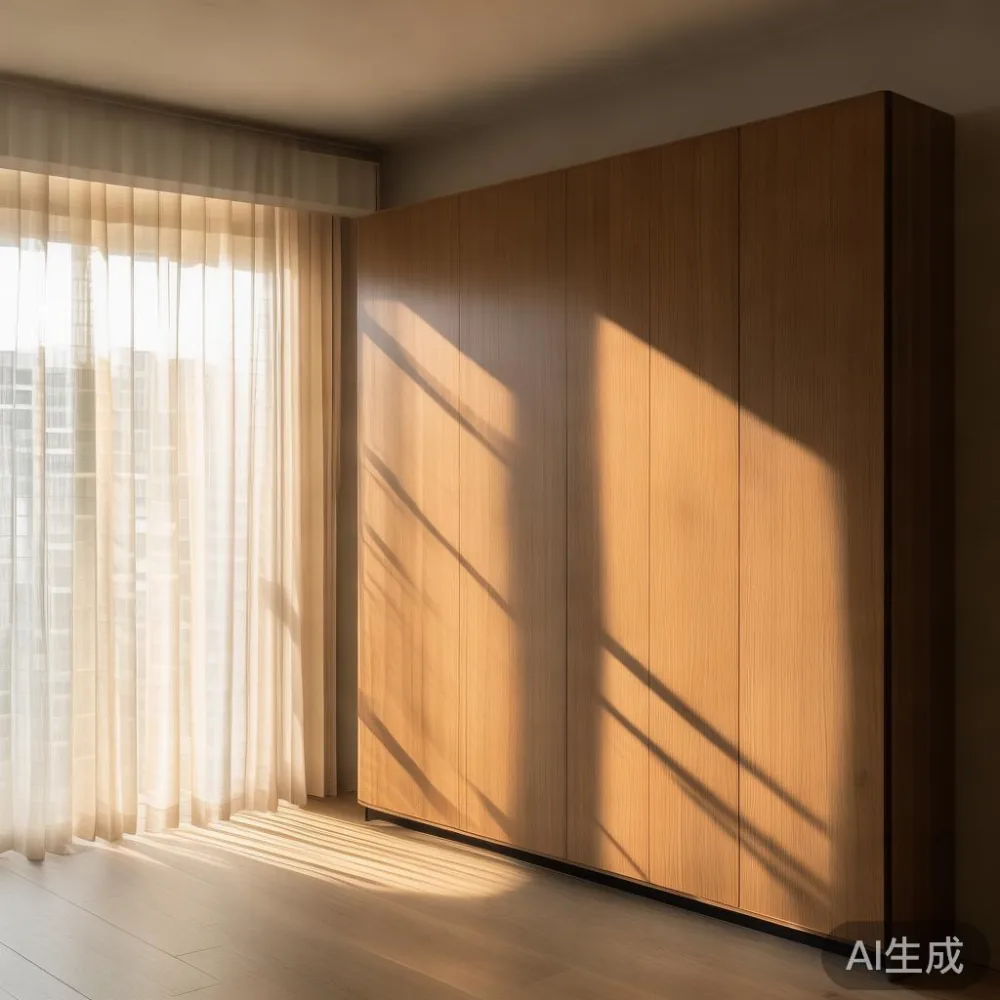
For a compact HDB bedroom, a wardrobe 180-200 cm wide and 210-220 cm high may make better use of the wall than an oversized installation. In a larger condo room, a 240-280 cm wall may support a walk-in arrangement. A useful price comparison should therefore show external dimensions, internal compartment sizes, timber species, finish, and delivery terms—not only the headline figure.
Light luxury also involves precision. A 4 cm rail may look substantial but can reduce hanging clearance. A 6 cm rail provides more capacity but changes the visual weight. Curved rails, leather pulls, brass hardware, and aligned door gaps take additional workshop time. These choices explain why two wardrobes with similar board dimensions can differ by several hundred SGD.
How much does the timber species really affect the price?
Timber species is one of the clearest price drivers, but “solid wood” alone is not enough. Oak, ash, beech, walnut, and other hardwoods have different levels of availability, grain character, workability, and market pricing. A 60 cm solid oak panel can cost more than a 60 cm ash panel because oak is commonly specified for its strength and pronounced grain.
Buyers should ask whether the visible surfaces are solid timber or veneers over engineered board. Veneer is not a lesser material when used correctly; it can improve stability and make large panels more practical. However, a wardrobe described as solid wood should clearly identify the solid parts and the panels. Otherwise, the buyer cannot compare price accurately.
Thickness is another factor. Moving a wardrobe’s side panel from 18 mm to 25 mm increases timber use, weight, machining, and freight. At roughly 45-70 kg, a medium-size wardrobe may require two delivery workers and careful turning at the lift lobby. A 25 mm build can add 8-15 kg, which can affect installation by about 30-60 minutes.
Wood movement is especially important in Singapore’s humid conditions. Properly seasoned timber and sound joinery help manage expansion over a 12-month cycle. Quality furniture should allow suitable tolerances rather than forcing components together too tightly. This discipline adds time, yet it protects the wardrobe through changing humidity.
For buyers searching for under 2000 European furniture, the wardrobe must be considered as a complete system. A European-looking design with high-quality solid wood parts, soft-close hinges, and durable hardware can fall below SGD 2,000, while a cheaper-looking carcass with several upgrade options may exceed it. The final quote should separate the base wardrobe from selected finishes and accessories.
Why do dimensions change the price so much?
Dimensions affect material quantity directly, but they also change the complexity of packing and delivery. A 150 cm wide wardrobe may fit through a standard HDB bedroom door opening around 80-85 cm when turned on its side. A 240 cm unit may not. The buyer should measure the bedroom door, corridor turns, lift car, and installation route before ordering.
Singapore lift dimensions vary by building. A common HDB lift may provide an internal area around 1.4 m by 1.1 m, with a door opening near 90 cm, though this is not universal. A condo lift may be deeper or shallower. A 210 cm tall wardrobe standing upright can exceed the car height, so it may need to be transported flat or assembled inside the room.
Corridor widths can be as tight as 1.0-1.2 m in some older blocks. Newer estates often have wider access. Even with adequate width, a diagonal measurement matters: the wardrobe’s length, height, and depth must pass through each turn. This is why a wardrobe with an SGD 800 difference in selling price can still become more expensive if the wrong size cannot enter the home.
Before purchase, record the narrowest corridor, lift door width, lift car height, bedroom door width, and ceiling clearance. Keep 5-10 cm of working space where possible. Installation may add SGD 80-SGD 250 in Singapore for straightforward access, while difficult lifts or stair carries can cost more.
What do hardware, joinery, and finishes add to a solid wood wardrobe?
Hardware is often a hidden cost driver. Soft-close hinges, full-extension runners, thick drawer bases, and branded sliding systems each affect the price. A wardrobe with six drawers and 12 soft-close hinges requires more components and alignment than a basic hanging unit. Premium metal channels may add SGD 100-SGD 450 to the total, depending on the number and type.
Joinery tells you where hidden costs are likely to appear. Dowels, mortise-and-tenon joints, dovetails, and reinforced corners take more time than simple screw-and-cleat construction. In a wardrobe, strength matters at the hanging rail, shelf pin, drawer base, and tall side panel. A 10-year structural warranty is useful here because it indicates that the manufacturer is prepared to stand behind the main construction.
Finish choice can add another SGD 150-SGD 600. Natural oil or matte lacquer highlights a different level of grain than high-gloss coating. Dark stain may require additional preparation, while white and pale finishes often need more sanding to avoid showing defects. Light luxury wardrobes frequently use warm, low-sheen finishes, which suit both French light luxury and American light luxury schemes without making the room visually heavy.
Customers comparing “for sale French provincial furniture” should look beyond carved trim. Provincial styling often involves curved fronts, decorative mouldings, and shaped hardware, each requiring accurate setting. Cleaner interpretations can cost less while retaining the character. The question is not whether ornament is authentic, but whether every added detail has a practical purpose and is executed consistently.
How do design and manufacturing location shape the quote?
The design brief determines much of the labour. A flat-panel wardrobe can be produced efficiently because parts repeat and machine settings are standardised. Shaped doors, inset panels, fluted sections, and decorative cornices need templates, hand fitting, and more inspection. One 6 cm fluted section across a 200 cm wardrobe may add several hours of work compared with a plain panel.
Manufacturing location also affects labour rates, tooling, logistics, and overhead. Local production can offer shorter lead times and easier revisions. Export production can provide cost advantages through larger production runs, but shipping adds a new calculation. For solid wood, sea freight is more economical than air freight for bulky items, yet it can extend the delivery period.
Production time for a made-to-order wardrobe may be 25-45 days, followed by 7-14 days for regional delivery under a normal schedule. Custom finishes can add 5-10 days. These lead times are useful because a low price sometimes depends on a long production queue or a simplified specification.
Last month I visited a woodworking supplier and watched a 220 cm wardrobe move through final assembly. The pale oak side panels were clean and stable, but the hinge plates revealed where most of the price sits: precise drilling, repeated alignment, and careful fitting. The visible timber impressed me; the invisible setup took just as much attention.
This is also why a broad phrase such as “for sale Industrial furniture” should be interpreted carefully. Industrial-looking furniture may use thick solid wood, blackened steel, and visible fixings, but heavy hardware can raise weight and freight. A solid wood bed frame, dining table, nightstand, or marble table may share the same design vocabulary, yet each has different production demands.
How should a Singapore buyer compare two solid wood quotations?
Start with the wardrobe footprint and usable interior, not the finish photograph. Compare width, depth, height, hanging space, shelf loading, drawer extension, and door mechanism. A quotation at SGD 1,600 may include 18 mm engineered panels and basic hinges, while one at SGD 2,200 may use solid oak visible parts, soft-close hardware, and stronger internal framing. Neither is automatically right; the specification must match the room.
Then ask for a line-by-line price covering the carcass, doors, interior fittings, finish, hardware, and delivery. GST should appear separately at the standard 9% rate. A seller that provides only a final figure makes it harder to identify where changes will affect cost.
Delivery terms matter as much as the item. MIDHILL offers free shipping on orders above US$350, although international shipping conditions and any local surcharges should be confirmed for Singapore. The company also provides a 14-day return window, subject to the stated policy. For a made-to-order wardrobe, buyers should confirm whether custom sizing or finish affects return eligibility before placing the order.
Finish samples deserve physical comparison under daylight. View them from 2-3 metres, then from 50 cm. Singapore homes often use bright ceiling lighting, which can make warm oak appear yellower than it does in a showroom. A 7-day assessment can prevent dissatisfaction after a 40-day production cycle.
People looking for “how to choose Italian light luxury sofa” are usually balancing silhouette, comfort, and room dimensions, but the same discipline applies to the wardrobe: identify the material, construction, and hidden specifications. A light luxury concept becomes meaningful only when the grain, proportions, hardware, and finish work together.
A Modern light luxury TV console may also use solid wood and marble surfaces, yet its market value is shaped by similar choices. Italian styling adds another layer through design language, but origin alone does not guarantee value. For the wardrobe, the meaningful price is the sum of timber, precision, hardware, logistics, and service.
What is the fairest way to think about the final price?
A solid wood wardrobe’s price can range from about SGD 900 for a simple, compact unit to SGD 3,500 or more for a wide, highly finished, fully fitted design. Custom European sizing may move beyond that range. These figures show why “solid wood” cannot function as a complete price explanation.
The most useful breakdown is straightforward: roughly 30-45% for timber and panels, 15-30% for machining and assembly, 10-20% for hardware and interior fittings, 10-20% for finishing, and 5-15% for packaging, delivery, and service, though the mix changes with the design. A flat-pack wardrobe made mainly from engineered board can appear cheaper because fewer components are machined and less timber is shipped.
For a 200-240 cm wardrobe, spend time on the internal rail and hinge system, the stability of the side panels, and the finish quality. Confirm the external measurements against the lift and corridor before approving. Ask about structural coverage, refinishing, and returns in writing. A 10-year structural warranty and lifetime refinishing option can add long-term value, but only a clear specification supports a fair comparison.
The right wardrobe is not simply the one with the lowest number. It is the one whose materials, dimensions, construction, and delivery arrangements fit the actual home—and whose price remains understandable after the design details are exposed.