Humidity and Solid Wood Wardrobes in Singapore Homes
Singapore’s warm, humid climate can be demanding on solid wood furniture, especially inside air-conditioned HDB flats and condos where outdoor moisture meets tightly controlled indoor air. A wardrobe may look perfectly still, yet its timber can slowly gain and lose moisture as relative humidity changes. Over 12 months, this repeated movement can open small joints, encourage mildew around poorly ventilated areas, and make doors feel swollen or uneven. Air conditioners reduce discomfort, but they do not automatically protect wood.
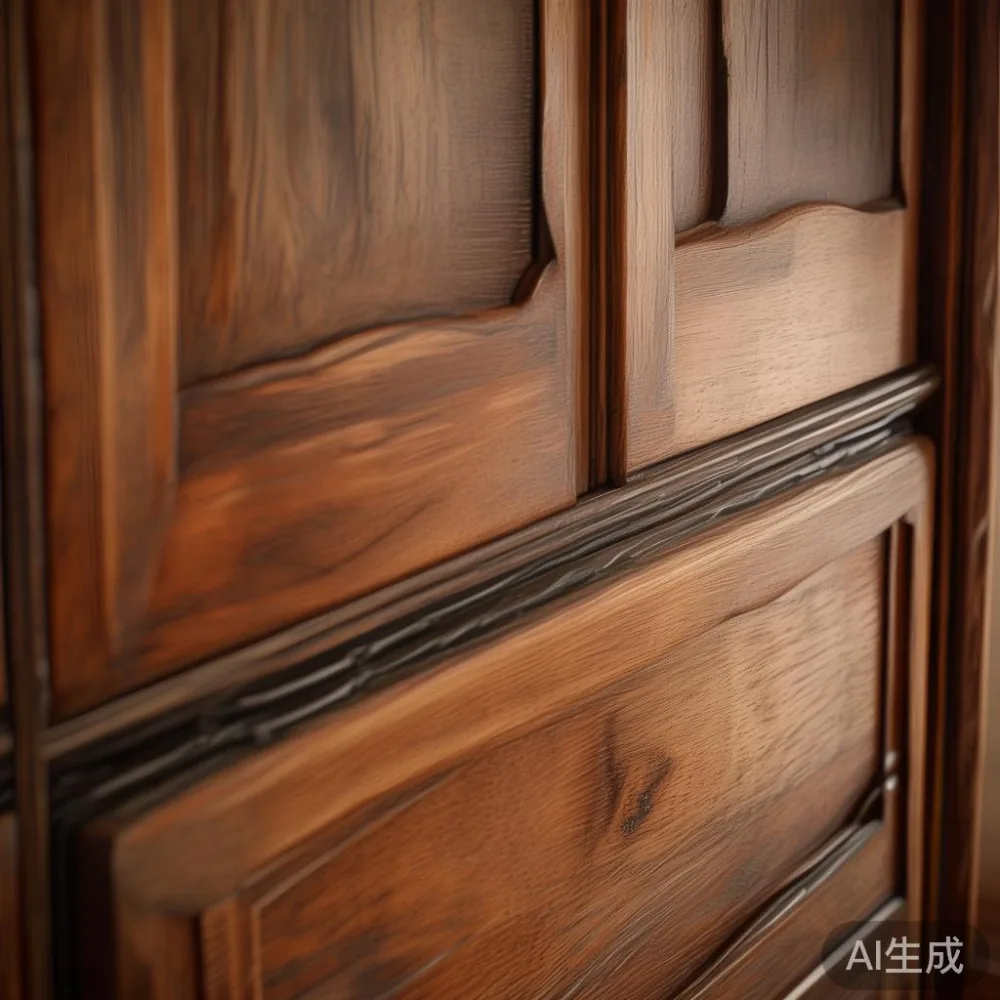
For homeowners in Tampines, Bedok, Punggol and elsewhere in Singapore, stable indoor conditions matter more than regional stereotypes. Outdoor relative humidity often ranges around 70%–90%, while air-conditioned rooms may sit near 50%–60%. Wardrobes placed near windows, ensuite bathrooms or exterior walls can experience more variation than furniture in an inner bedroom. Understanding this moisture behaviour helps you preserve a wardrobe’s shape, finish and usable interior without treating it like a disposable flat-pack product.
MIDHILL makes solid wood furniture in Foshan and has exported since 2008 to more than 15 countries. Its 10-year structural warranty and lifetime refinishing service provide reassurance, although no timber product is moisture-proof. Good environmental control still determines how long a French light luxury wardrobe or post-modern light luxury piece remains sound.
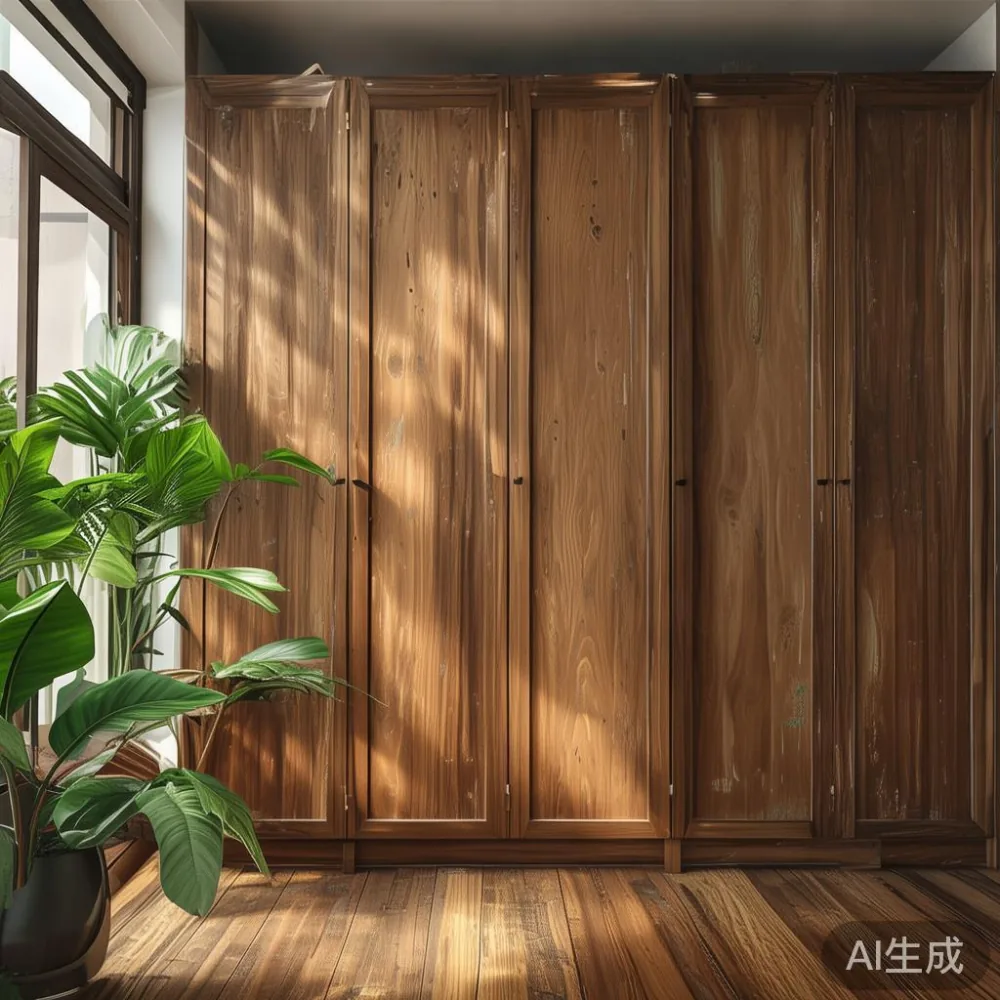
How does humidity change solid wood?
Wood is hygroscopic: it takes on moisture when the surrounding air is humid and releases moisture when air becomes drier. Its response depends on species, grain direction, board width, edge treatment, finish and factory seasoning. Oak, ash, teak, rubberwood and other common furniture hardwoods can all move, but not by identical amounts. A 210 cm wide solid timber panel may change across its width by several millimetres through seasonal humidity shifts. That movement can strain hinges, drawer runners and painted or lacquered edges.
High humidity by itself does not always cause rot. The combination of moisture, warmth and poor ventilation is more damaging. A relative humidity reading above roughly 70% for long periods encourages mould and weakens adhesives and joints, particularly if the wardrobe stands against an exterior wall. Alternating dampness and dryness is another common risk because the wood repeatedly expands and contracts. Bare timber is usually more permeable than a well-finished surface, while a damaged finish can leave vulnerable areas exposed.
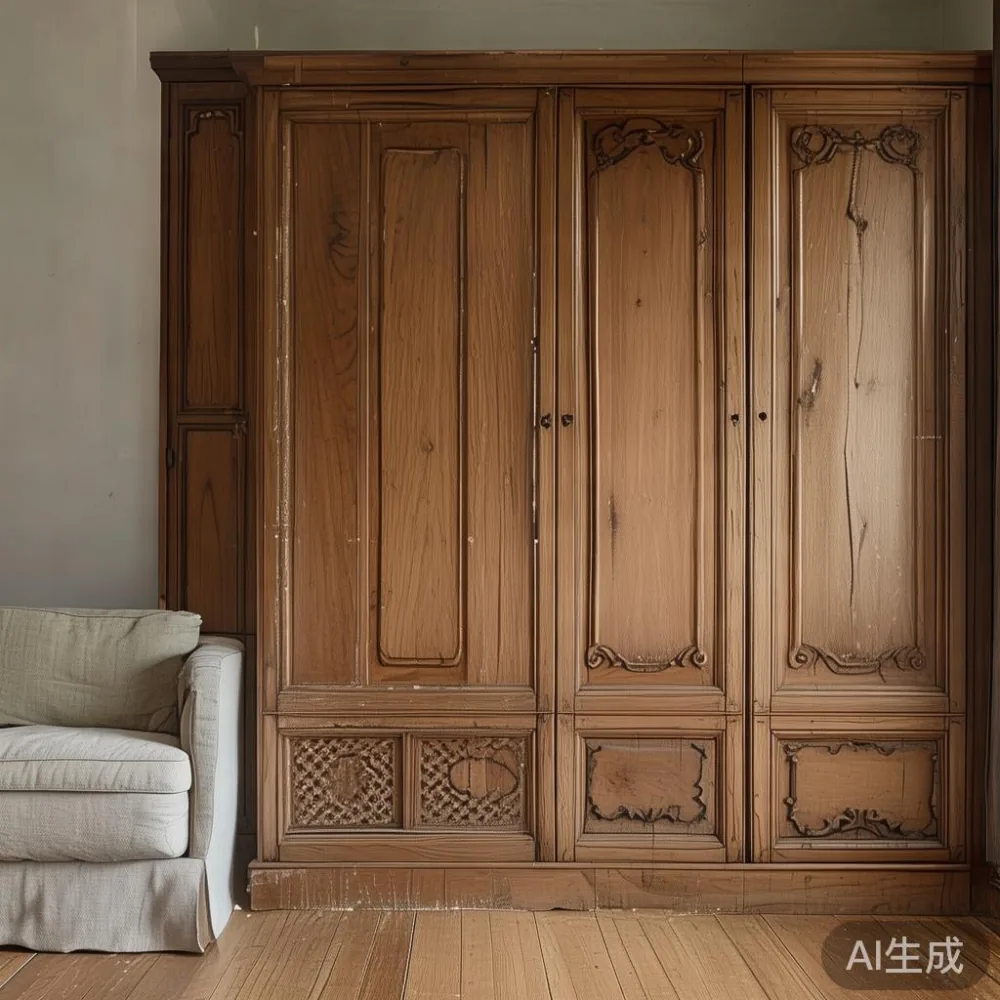
Temperature also matters. Singapore room temperatures of about 26°C–32°C are normal, but hot corridors and enclosed balconies can add heat and moisture. Air-conditioning may lower humidity quickly, yet the transition creates its own stress. Furniture moved from a cool bedroom to a warm, humid corridor can respond differently on each surface, especially if one side has already absorbed moisture overnight.
Should a wardrobe breathe, or should it be tightly sealed?
Neither total ventilation nor permanent airtightness suits every installation. A wardrobe should have enough clearance for airflow while remaining protected from direct dampness. Keep the back around 5–10 cm away from a wall where practical, leave roughly 10–15 cm above fitted units for service access, and avoid trapping the base against wet cleaning or skirting boards. Slatted bases or discreet plinths can improve airflow without making the design look utilitarian.
For an HDB flat near a bathroom, inspect the wall after showers and use an exhaust fan that removes moisture rather than dispersing it through the room. A wardrobe should ideally sit outside the bathroom’s immediate splash zone. In Bedok and Tampines, a window can help if natural ventilation actually clears humidity. Punggol flats close to large planted areas may see higher ambient readings outdoors, although the building’s own mechanical ventilation is usually the stronger factor indoors.
Use a digital hygrometer placed inside the wardrobe and another in the bedroom, ideally at wardrobe height rather than near the floor or air-conditioning vent. A practical indoor target is about 45%–60% relative humidity. Short deviations, such as 65% during a rainy afternoon, are less concerning than repeated nights above 70%. A temperature range of about 22°C–28°C is easier on wood and finishes.
Can HDB lift and corridor dimensions make a large wardrobe harder to manage?
Yes. High humidity handling problems are easier to solve when access was planned before delivery. A rigid wardrobe cannot be tilted sharply because joints, door faces and drawer boxes may distort. Measure the complete packaged or unassembled module, then compare it with every route: HDB flat entrance, lift door, lift car, corridor turns and the final bedroom opening.
A typical residential lift car may measure about 90 cm wide and 140 cm deep, but the usable opening and internal diagonal can be smaller. Bedok and Tampines blocks vary, so the building number and floor should be confirmed rather than assumed. A 120 cm wide wardrobe can enter a 90 cm lift opening upright, yet a 210 cm long body may not turn from the corridor into the lift. Adding dimensions without checking turn geometry can damage walls and furniture.
Site photographs, a tape measure and written delivery notes reduce uncertainty. Delivery days may take 7–14 days after production, while installation can require another 1–3 days. Fully assembled products generally face more access risk than flat-packed or knock-down wardrobes. Shipping over SGD 350 is complimentary under MIDHILL’s stated policy, but lift reservation, carrying charges and difficult access should be quoted separately because they differ by building.
What does humidity do to wardrobe doors, drawers and finishes?
Watch gaps, not just visible stains. A door that catches at the top corner may have absorbed moisture unevenly, or the frame may have shifted. Drawer fronts can bow, veneer can lift at edges and metal slides can corrode in a persistently damp location. Do not force a swollen door for several weeks. Compare the gap on all 4 sides, check the plinth for level and inspect for damp odours. A moisture meter can provide a reading, although species and surface coatings influence the result.
Solid wood is more forgiving than chipboard or fibreboard because it can be stabilized, repaired and refinished. That advantage applies across MIDHILL pieces such as a solid wood sofa frame, bed frame, dining table, wardrobe, nightstand and marble table, although marble is unaffected by humidity in the same way. A dining table near an open kitchen may need occasional wiping, while a marble table top should be protected from acidic spills and standing water rather than humidity alone.
Finishes require different care. Lacquered surfaces should be dusted gently with a soft cloth and cleaned with a pH-neutral product; abrasive pads can scratch the coating. Oiled timber may need refreshing when the surface looks pale or dry, typically every 12–24 months depending on use and exposure. Do not place wardrobes directly against air-conditioning diffusers. Repeated dry airflow can stress lacquer, while a lift lobby’s damp air can attack exposed timber.
Is light-luxury solid wood practical for Singapore interiors?
Yes, if proportions and maintenance are considered together. French light luxury often uses pale timber, mouldings and restrained details; American light luxury tends toward clean profiles and practical comfort; post-modern light luxury can pair wood with curved lines and carefully selected stone. These styles depend on stable timber just as heavily as heavier traditional furniture does.
For compact flats, consider Modern light luxury for small living room storage with a wardrobe height near 220–240 cm and a depth around 55–60 cm. Deep wardrobes hold more clothing but require more space for hinges and airflow. Punggol studios and newer compact HDB layouts benefit from doors that do not collide with bed frames or require a wide 90 cm swing in a corridor. A smaller wardrobe may cost from about SGD 1,200, while a larger fitted hardwood wardrobe may run from SGD 3,500 to SGD 8,000, subject to dimensions, veneer or solid timber, finish and hardware.
Design references can also travel between rooms. Modern for guest room furniture should be measured so a folding guest bed or chair does not crowd wardrobe access. Mid-century modern for guest room styling pairs well with a wood bed frame or nightstand, provided every timber piece sees similar humidity conditions. Searches for top 10 Minimalist furniture lists often reward clean lines, but the installation environment matters more than a visual ranking. A French bed vs Italian light luxury bed comparison should include stability, room access and moisture care, not only appearance.
How should I move, install and maintain a wardrobe?
Let wood acclimatize for 48–72 hours after delivery before fixing cabinets tightly to a wall or loading clothes. Remove all packing material, check the floor for dampness and keep electrical lighting or dehumidifiers away from solid timber surfaces. Place anti-tip restraints above tall wardrobes where children use the room, following the installer’s instructions.
Monitor conditions through at least 4 seasons rather than judging only during one humid afternoon. Keep liquids away from the plinth, wipe splashes within 10 minutes and inspect behind the wardrobe every 6 months. Use cushions or sealed containers for damp clothing instead of putting wet laundry into wooden drawers. If the floor humidity meter reads above 70%, improve ventilation or run a dehumidifier rather than simply raising the air conditioner.
Do not stack rugs tightly against the wardrobe base. Avoid silicone mats that trap moisture, and do not use direct heat from a hair dryer to dry timber. Raise stored items 10–15 cm where leakage is possible. For seasonal movement, allow about 3–6 mm of clearance around decorative panels, although functional cabinet gaps require installer-specific adjustment.
Last month I visited my colleague in Tampines to examine a new wardrobe beside an ensuite wall. Its left side began to feel cooler than the room, and a hygrometer repeatedly read 71%–76% near the rear panel. We moved the unit forward 8 cm, opened the ensuite exhaust fan after bathing and kept the bedroom at about 26°C. After 6 days, the local reading settled to 58%–61%, and the door gap no longer changed. That experience confirmed what timber samples in our workshop have shown: airflow and dry condensation control solve more real problems than repeatedly sanding a swollen door.
What questions should I ask before ordering?
Ask the supplier whether the wardrobe uses solid timber, plywood or a mixed construction, and how each material responds to humidity. Confirm the finished dimensions, door swing, hinge type and wall clearances. Request site-access photographs from the lift lobby and corridor. Also establish whether refinishing is available for the specific finish, since lifetime refinishing terms can vary by surface and damage.
For Singapore delivery, obtain a written quote showing the product price, GST, delivery day, lift charges and return conditions. The 14-day returns policy should be checked for completed or installed items. Keep the product in its original condition, and inspect it within the stated period. For a warmer, more humid bedroom, budget around SGD 80–SGD 250 for a quiet dehumidifier only if ordinary ventilation cannot hold readings below 65%.
Good humidity control preserves the details that make solid wood furniture worth choosing: visible grain, close-fitting doors, durable joints and a finish that can be maintained. A wardrobe may not need daily attention, but it benefits from 5 minutes of inspection every 3 months, accurate access planning and stable indoor humidity. That care protects both appearance and structure for years of daily use.